3 Reasons the Snapdragon 8 Elite Gen 6 Falls Short Compared to the 8 Elite Gen 5

Add Android Authority on Google:
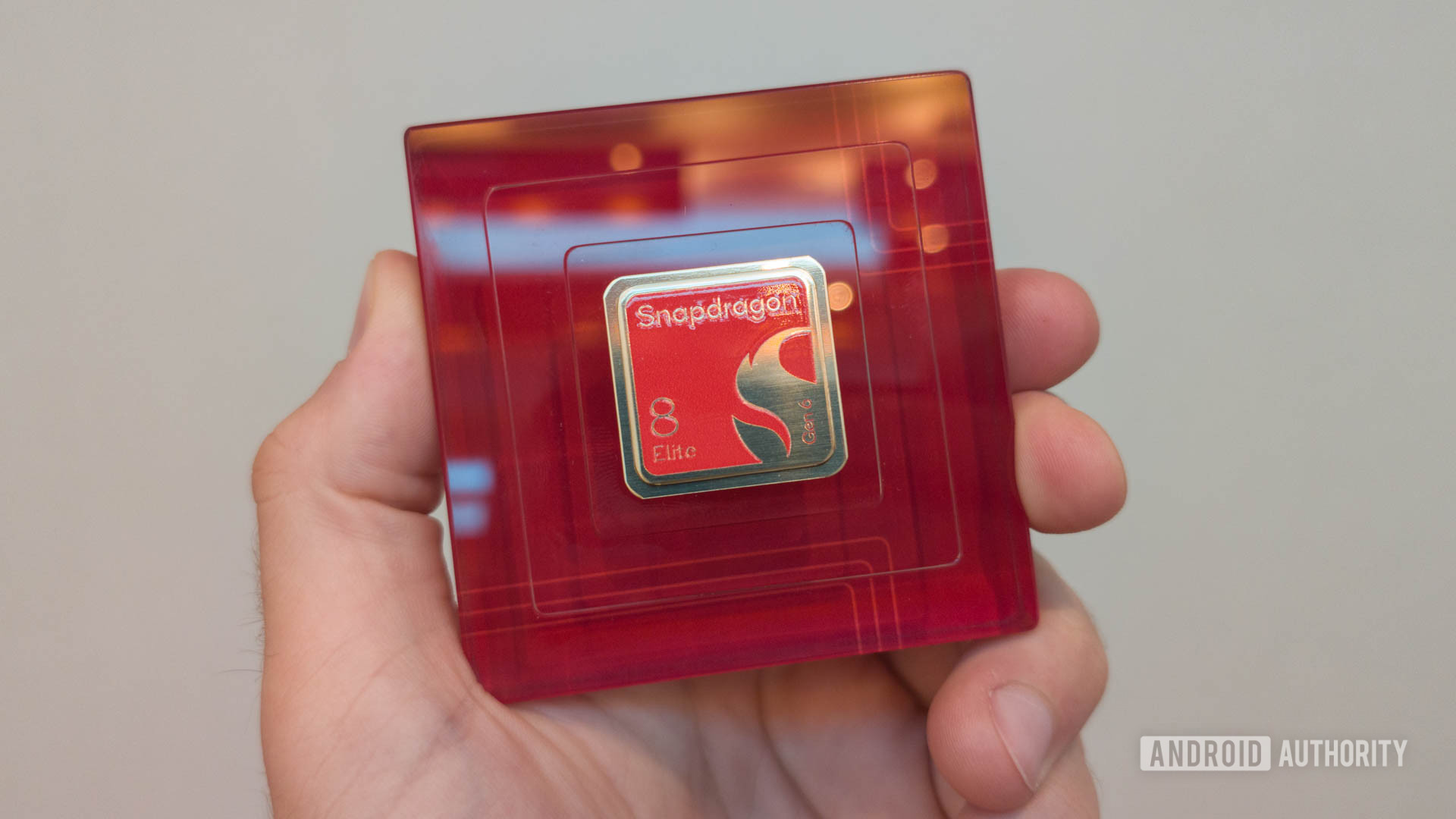
Although both flagship processors boast peak clock speeds of 5GHz, new GPU designs, and various AI enhancements, the standard version of the Gen 6 lacks several standout features that Qualcomm offers. These include advanced video codecs, Matrix cores for AI graphics, and a 50% increase in local memory to enhance on-device AI processing.
While this omission may seem logical from a pricing standpoint, an examination of the specifications indicates that some features absent in the Snapdragon 8 Elite Gen 6 were already present in the previous Snapdragon 8 Elite Gen 5. Whether this represents a step back from the last generation is contingent on the intended use of your phone.
Absence of High Performance Memory for Gaming

The most significant feature that’s missing in Snapdragon 8 Elite Gen 6, which was included in the Gen 5 flagships, is High Performance Memory (HPM). The Gen 5 features 18MB of closely integrated GPU cache, while the V-Series includes 12MB of HPM. The Gen 6 lacks this entirely, with only the Extreme model offering this capability this year.
Typically, the Adreno GPU utilizes the system’s DDR memory pool, but this setup can limit bandwidth, especially when handling high-quality models, textures, antialiasing, and intricate visual effects. HPM acts as a dedicated GPU memory cache designed to mitigate potential bottlenecks. Qualcomm claims that HPM can reduce latency and enhance memory efficiency by up to 10% for intensive tasks, contributing to improved visual quality, performance, and extended playtime.
Gamers may face diminished performance and lower energy efficiency.
The only limitation of HPM is that it requires developers to program for it specifically, effectively instructing the GPU on what to store in this rapid memory to accelerate their game. Thanks to Qualcomm’s Neural Fusion initiatives, new titles developed using Unity and Unreal Engine can take advantage of this without any coding adjustments. However, other game engines that rely on Qualcomm’s custom Vulkan must be tailored explicitly to leverage HPM for optimal graphics performance. Thus, your preferred games and emulators might not currently support HPM.
Qualcomm may not have seen the adoption rate it anticipated for HPM, which might explain its elimination from the Snapdragon 8 Elite Gen 6. Alternatively, transitioning to LPDDR6 might mitigate the need for HPM. Moreover, the standard Gen 6 could potentially lag behind the Extreme variant in terms of frame rates and energy efficiency. For a flagship chip expected to endure for at least five years, the missing HPM and Matrix cores for AI enhancement represent notable oversights for dedicated mobile gamers.
Reduced 8K Frame Rates

C. Scott Brown / Android Authority
The Snapdragon 8 Elite Extreme supports 8K video recording at 60fps and ultra-fast 4K recording at 240fps. In contrast, the standard model limits these capabilities to 30fps for 8K and 120fps for 4K, marking a clear downgrade from the Snapdragon 8 Elite Gen 5, which allowed for 8K60 recording.
Additionally, specific color standards, including 10-bit color depth, Rec. 2020 color gamut, and Google Ultra HDR support, have been removed from the Gen 6 specifications, with vague marketing terms replacing concrete guarantees. While some features may still be supported, Qualcomm seems to be reserving high-end requirements for the Extreme chip, despite these features being explicitly listed in last year’s Gen 5.
On a brighter note, the standard Gen 6 matches the Gen 5’s 4K120 capture while enhancing 1080p slow-motion capabilities to 960fps (up from 480fps in the Gen 5). For 4K recording at 240fps, however, users will need to invest in the Extreme model.
Missing APV Encode Feature
C. Scott Brown / Android Authority
A notable omission is the Advanced Professional Video (APV) codec, which target professional video capturing and editing workflows, similar to Apple ProRes. Unlike standard distribution codecs that prioritize file compression, APV focuses on exceptional visual quality for post-production.
The absence of APV eliminates a valuable tool for videographers seeking an efficient recording format that transfers smoothly into editing software like DaVinci Resolve or Premiere Pro, all without causing extensive transcoding. While this feature may cater to a niche market, it undoubtedly represents a high-end option.
Furthermore, the Extreme variant also facilitates H.266 (VVC) decoding, which the standard Gen 6 does not offer.
A Modify for Budget Flagships?
Brady Snyder / Android Authority
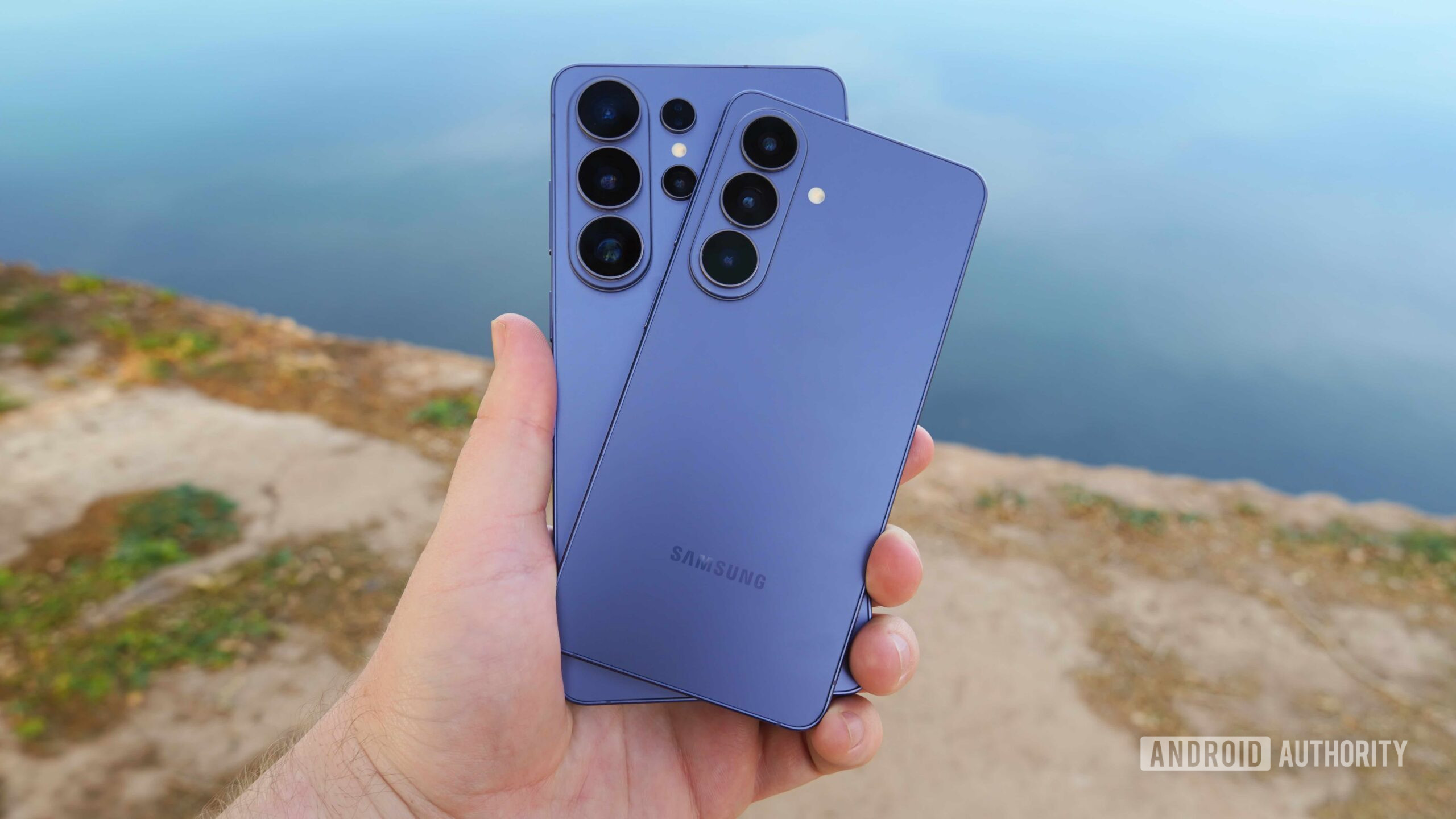
The Snapdragon 8 Elite Gen 6 seems designed to manage the rising costs associated with advanced mobile chipsets. Although downgrades compared to the Extreme model may seem reasonable, the lack of features found in last year’s Snapdragon 8 Elite Gen 5 is certainly more challenging to overlook. Qualcomm’s effort to differentiate the Extreme variant might lead to mainstream flagship devices that do not perform as well as existing models.
Moreover, it’s essential to question whether the performance improvements will be substantial. Qualcomm’s custom Oryon cores appear to lack any significant enhancements or new capabilities. The primary upgrade seems to be in tweaks to the Flex Cache, providing better control over the 16MB local cache.
While the Snapdragon 8 Gen 6 is technically faster, is it significant?
Without claiming certainty, Qualcomm has not disclosed in-depth information regarding the latest Oryon CPU, and their responses were heavily focused on marketing messages when questioned. Benchmarks indicate that the anticipated 10% performance increase stems mainly from the 5GHz clock speed. Additionally, Qualcomm mentions a modest 14% enhancement in AI processing capabilities on its NPU, with substantial improvements reserved for the Extreme version. Consequently, it can be argued that last year’s flagship devices will offer similar everyday performance. The exception may be in gaming applications, which report a 35% GPU performance improvement for the standard Gen 6 compared to the Gen 5; nonetheless, the absence of HPM could affect this depending on the game.
Overall, the Snapdragon 8 Gen 6 is a faster enhancement over the Gen 5, but it forgoes several niche, high-end features that set top-tier phones apart from last year’s and mid-range models. Should the Gen 6 become a favored option within sub-$1000 flagship phones, the gap between standard and Pro Max/Ultra versions may expand even further by 2027. It raises the question of whether it is worth considering last year’s model at a reduced price instead.
Thank you for being part of our community. Please review our Comment Policy before participating.