Why Mark Zuckerberg’s AI Manifesto Sparks Public Distrust in Artificial Intelligence

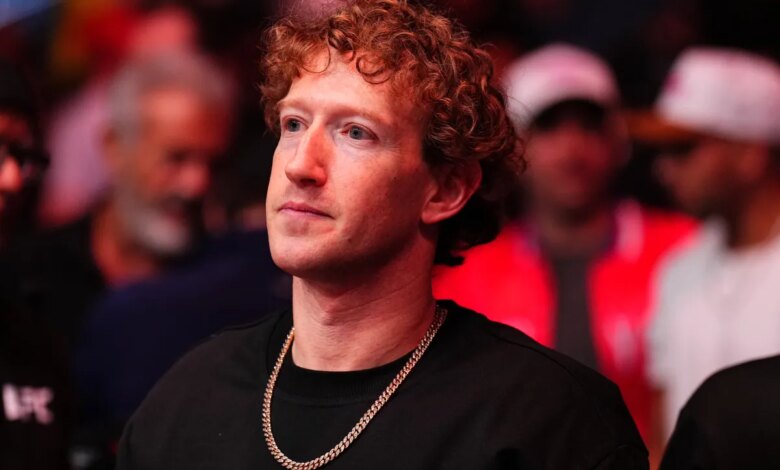
On Monday, Mark Zuckerberg released a lengthy 6,500-word document discussing the future of personal AI, specifically focusing on the “personal superintelligence” systems being developed by Meta AI. While many of the ideas presented are familiar—some having appeared in previous publications and earnings calls—this document offers the most comprehensive insight yet.
Described by some as an optimistic take, it explores Zuckerberg’s enthusiasm for the transformative potential of AI on society. However, despite his efforts to present a bright future filled with advanced superintelligence, he repeatedly addresses its possible pitfalls.
AI fascinates many, myself included, yet a significant portion of the public perceives it as troubling. This highlights the need to clarify the situation and why Zuckerberg’s statements may not serve to mend the public’s perception of the tech industry.
The topic of social media remains contentious, and it isn’t our aim to analyze every grievance against Facebook. However, it’s essential to recognize that both the platform and its founder are viewed unfavorably in the U.S. A recent survey indicated that 64% of Americans believe social media negatively impacts democracy and should face tighter regulations. This sentiment spans across political affiliations. Recently, the company faced a $567 million fine due to its role in harming children, indicating a widespread discomfort.
I mention these issues not to suggest Zuckerberg should retreat in disgrace, but rather to illustrate that the consequences of social media amplify contemporary concerns regarding AI. The public’s skepticism towards tech leaders overseeing emerging technologies stems from past experiences. Instead of acknowledging this mistrust, the essay inadvertently showcases the reasons this trust has eroded.
A substantial portion of the manifesto contains vague assertions about intelligence reminiscent of prior ambiguous statements by both Zuckerberg and Dorsey regarding free speech. One such claim suggests:
As each individual gains enhanced tools, they become more capable of shaping the future. Competing interests among people and institutions create checks and balances that lead to positive results. The most effective method to ensure a beneficial AI future is to provide superintelligence to everyone.
This perspective is questionable. While differing interests can foster negative outcomes, it’s concerning that such conjectures seem like philosophical musings rather than tangible products labeled “personal intelligence” from Meta. If someone is already inclined to distrust Zuckerberg, these assertions could appear as an attempt to reassure himself that no harm will come from new developments.
My unease deepened when Zuckerberg presented specific examples that often seemed disconnected from the current reality of AI applications. For instance, he portrayed AI’s role in education in this manner:
Imagine everyone having a customized tutor with a PhD in every subject and unlimited patience to assist in learning. This would provide additional educational support that is currently only available to those wealthy enough to afford it. Adults would benefit from a highly intelligent learning assistant capable of teaching job skills, new languages, hobbies, and more.
However, the solution he’s describing already exists in the form of consumer chatbots like ChatGPT, Claude, and Gemini. While these tools can facilitate learning, they are often misused by allowing students to bypass actual learning—using these virtual tutors to complete assignments instead. The lack of reliable mechanisms to verify AI-generated content complicates the educational landscape.
Though a minor instance of AI’s negative implications, it captures a real-time concern. Technologies designed with good intentions can produce unintended adverse effects. The reluctance of a powerful tech figure to acknowledge these issues can understandably heighten public anxiety.
Zuckerberg also speculates on how AI could enhance the legal system:
Consider a scenario where only one individual possesses a superintelligent lawyer, granting them an unfair advantage in legal cases. But if everyone had such access, justice would likely become more equitable and efficient compared to the current imbalance in litigation skills and resources.
This example, however, raises concerns. While increased access to legal AI could promote fairness, it could simultaneously complicate existing bureaucratic systems, potentially leading to an influx of frivolous lawsuits akin to spam, further clogging the judicial process. The lack of concern exhibited by Zuckerberg intensifies this anxiety.
Later in the manifesto, Zuckerberg’s explanation of Meta’s freemium model also ventured into abstract territory:
Everyone will have access to free or reasonably priced tools…. We plan to offer free versions to billions. For users who seek enhanced computing power, a dynamic auction system will ensure they receive the most affordable prices for the intelligence and computing resources consumed, while also prioritizing the collective needs.
While I agree with some of his points about access, the intricacies of a dynamic pricing model for compute usage could deter users due to the unpleasant experience often associated with surge pricing. It raises concerns about what Zuckerberg truly intends; after reading the manifesto, I’m less convinced than before.
More effective communication exists within the industry. Individuals like Sam Altman and Dario Amodei manage to address the public directly, which is something Zuckerberg avoids. They acknowledge the potential dangers of AI, emphasize the measures they’re taking to mitigate risks, and strive to reclaim public trust.
Although nothing is foolproof—especially in recent times when safety mechanisms have failed—the industry’s viability may depend on establishing a trustworthy relationship with the public.