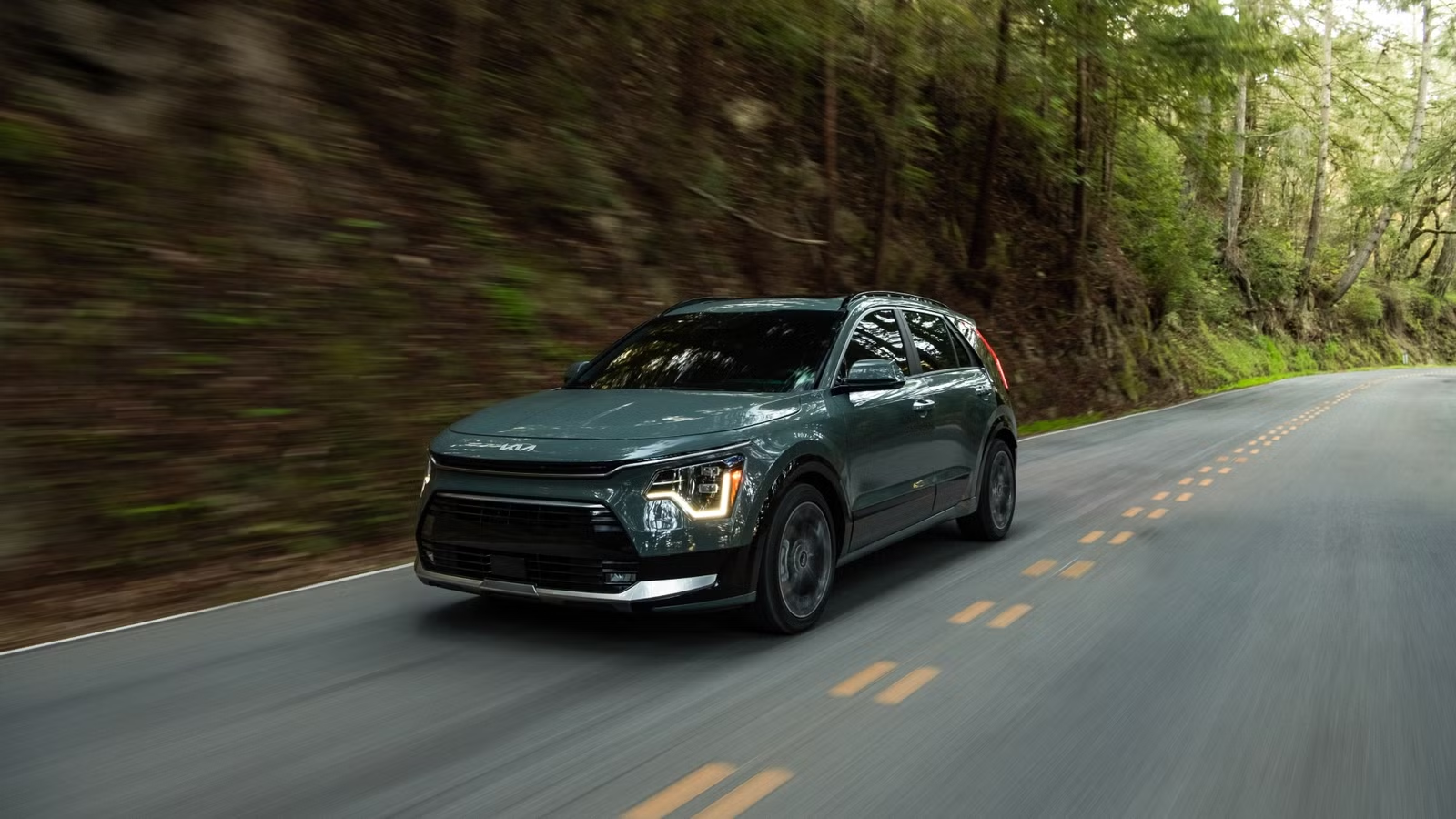
Hybrid SUVs have gained popularity for their efficiency, particularly in urban environments where frequent stops benefit from electric power. However, maintaining that efficiency on the highway presents a significant challenge, as the gasoline engine takes on a larger role in those conditions.
Highway fuel economy serves as an important metric for assessing the sophistication of a hybrid powertrain. The most capable models provide noteworthy efficiency without compromising on comfort or practicality for longer journeys.
One compact hybrid SUV stands out for its exceptional highway fuel economy, making it the most efficient non-plug-in hybrid SUV available for 2026, while also retaining an appealing price point within its category.
The information included in this article has been curated to ensure accuracy and up-to-date details.
The 2026 Kia Niro Hybrid Sets the Standard
Unmatched Highway Efficiency in Non-Plug-In Hybrids
Credit: Kia
The 2026 Kia Niro Hybrid features the best highway fuel economy of any non-plug-in hybrid SUV currently available. According to estimates, the LX, EX, and SX trims achieve 54 mpg on highways, while the SX Touring trim rates at 45 mpg. The variance is due to wheel size, with the SX Touring using larger 18-inch wheels, whereas the other trims utilize 16-inch wheels, enhancing efficiency. Additionally, the smaller-wheel variants boast an impressive 53 mpg combined, affirming the Niro Hybrid as one of the most fuel-efficient SUVs without the need for external charging.
A Different Perspective on Highway Efficiency
The Open Road Highlights Hybrid Vulnerabilities
Credit: Kia
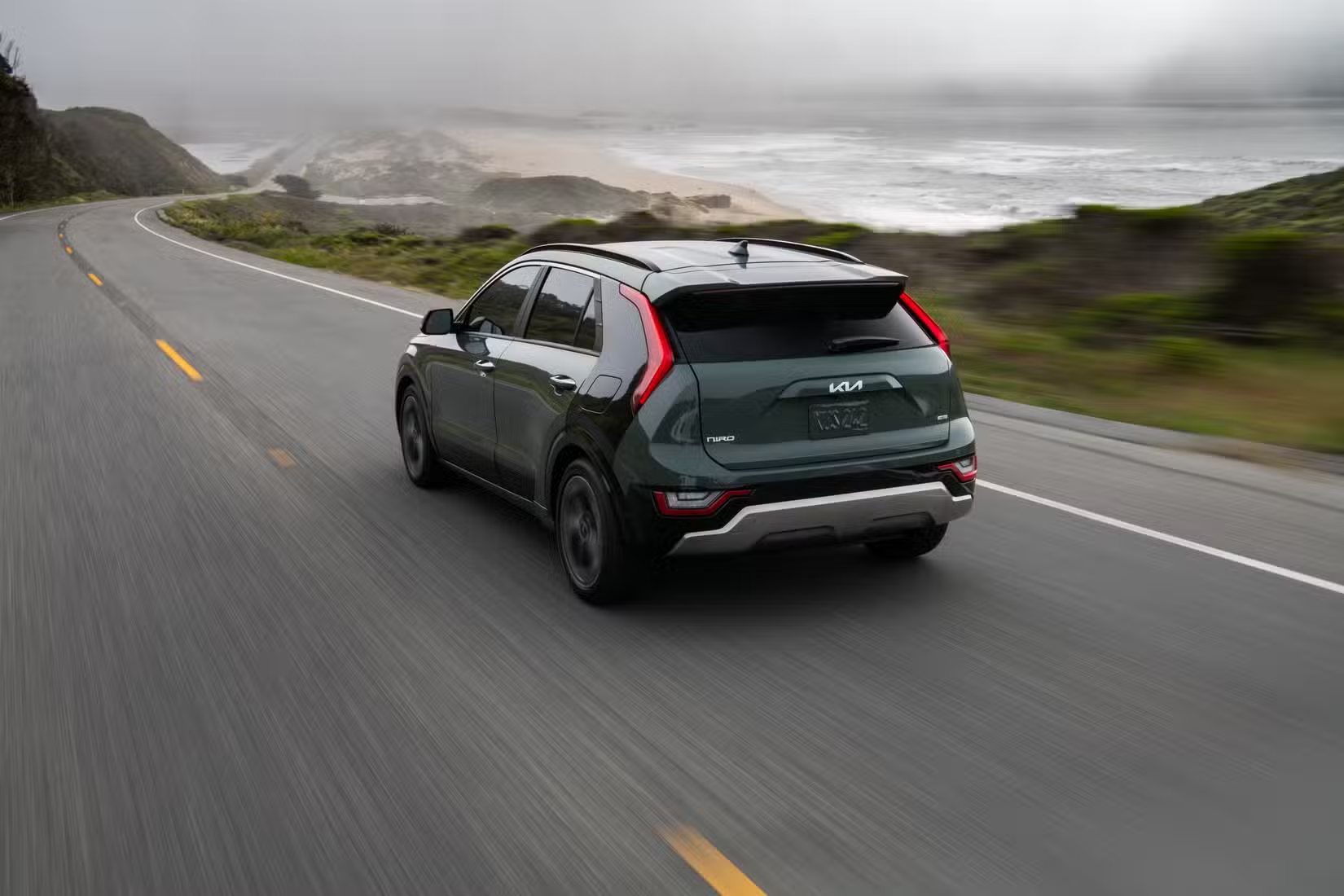
Typically, hybrid SUVs excel in city driving conditions where electric power assists in acceleration and energy recovery through braking. However, when it comes to highway driving, gasoline engines experience a greater load, making it challenging to maintain optimal efficiency. Consequently, high highway fuel economy serves as an indicator of a hybrid system’s quality, reflecting its performance beyond urban settings. The Niro Hybrid efficiently counters this trend, showcasing its capability to sustain impressive highway ratings, illustrating a well-designed hybrid powertrain.
An Efficient Powertrain Design
Fuel Economy Takes Precedence Over Performance
Credit: Kia
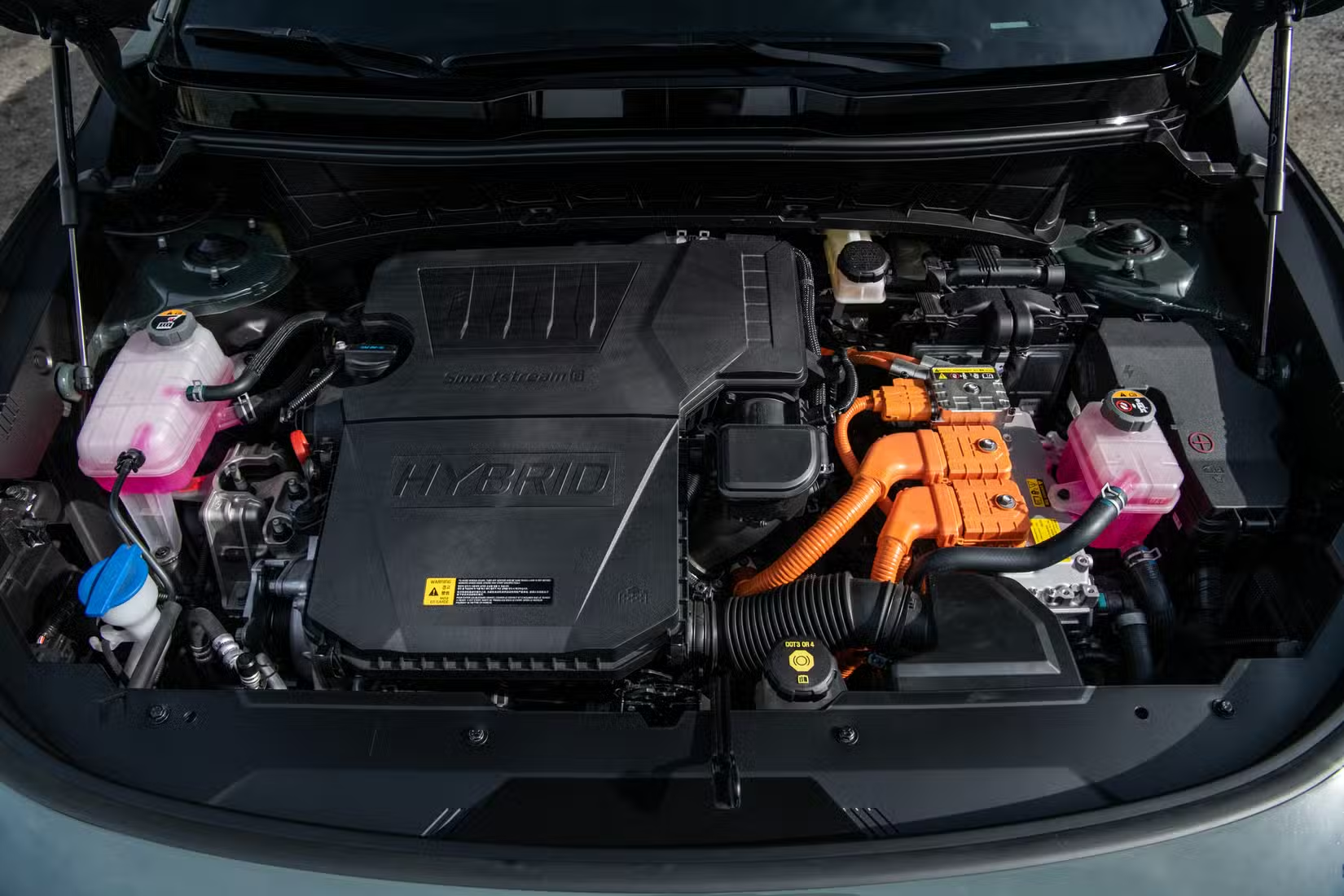
The 2026 Niro Hybrid features a powertrain that includes a 1.6-liter naturally aspirated four-cylinder engine, a 32-kW electric motor, and a six-speed dual-clutch automatic transmission. This combination yields a total of 139 horsepower and 195 lb-ft of torque, with power directed solely to the front wheels. Unlike many competitors that use an eCVT, the Niro employs a conventional six-speed dual-clutch transmission, which allows for efficient engine speeds during highway travel. While performance may not be extraordinary—accelerating from 0–60 mph takes approximately 8.9 seconds—the focus remains on efficiency, aided by the lightweight system to maximize fuel utilization.
Lightweight Engineering for Enhanced Range
Weight Reduction Boosts Fuel Economy
Credit: Kia
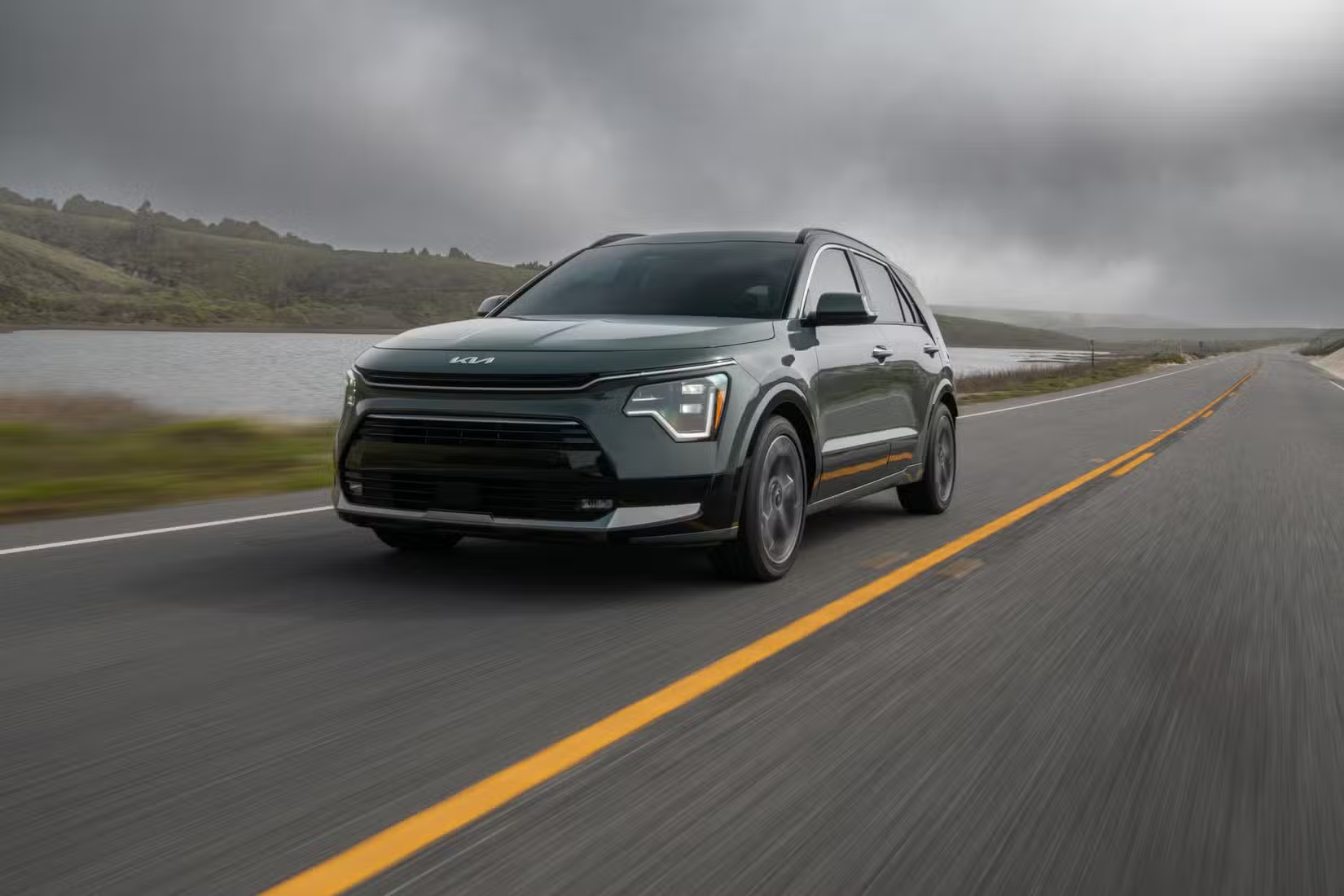
The Niro Hybrid is among the lighter SUVs in its category, weighing in at just 3,247 pounds. In contrast, competitors like the Toyota RAV4 Hybrid weigh much more, ranging from 3,594 to 3,847 pounds depending on the trim. Kia achieves this weight reduction through the use of aluminum components in the suspension and body, advanced high-strength steel in the chassis, and composite materials for elements like seat frames and the parking brake pedal. The vehicle’s 11.1-gallon fuel tank provides an EPA-estimated range of up to 588 miles for the LX, EX, and SX trims.
Beyond Efficiency: The Strengths of the Niro Hybrid
Practicality Adds to Daily Usability
The interior of the Niro Hybrid is spacious for a compact SUV, providing 41.5 inches of front legroom, 39.8 inches in the back, and a total passenger volume of 105.1 cubic feet—sufficient for family outings and longer road trips. Its cargo area measures 22.8 cubic feet behind the rear seats, expanding to 63.7 cubic feet with the seats down. Higher trims feature a dual-level cargo floor for a flatter loading surface. Each variant comes with a touchscreen infotainment system, with advanced models offering a 10.25-inch display and digital instrument cluster along with multiple USB-C ports and an optional Harman Kardon audio system to enhance comfort during travel.
Strong Value Beyond Fuel Savings
Attractive Pricing Enhances the Niro Hybrid’s Market Appeal

Credit: Kia
The 2026 Niro Hybrid starts at a competitive price of $27,090 for the LX trim, reaching $35,790 for the SX Touring model, which is competitively priced against many rival hybrid SUVs like the Toyota RAV4 Hybrid and Honda CR-V Hybrid. The estimated five-year ownership cost for the base model is $31,708, while the SX Touring model is projected at $39,013. The Niro Hybrid has been well-received, earning a 4.3 out of 5 owner rating from Kelley Blue Book and recognition from iSeeCars for affordability and suitability for taller drivers.
Superior Highway Efficiency
Ideal for Long-Distance Travel
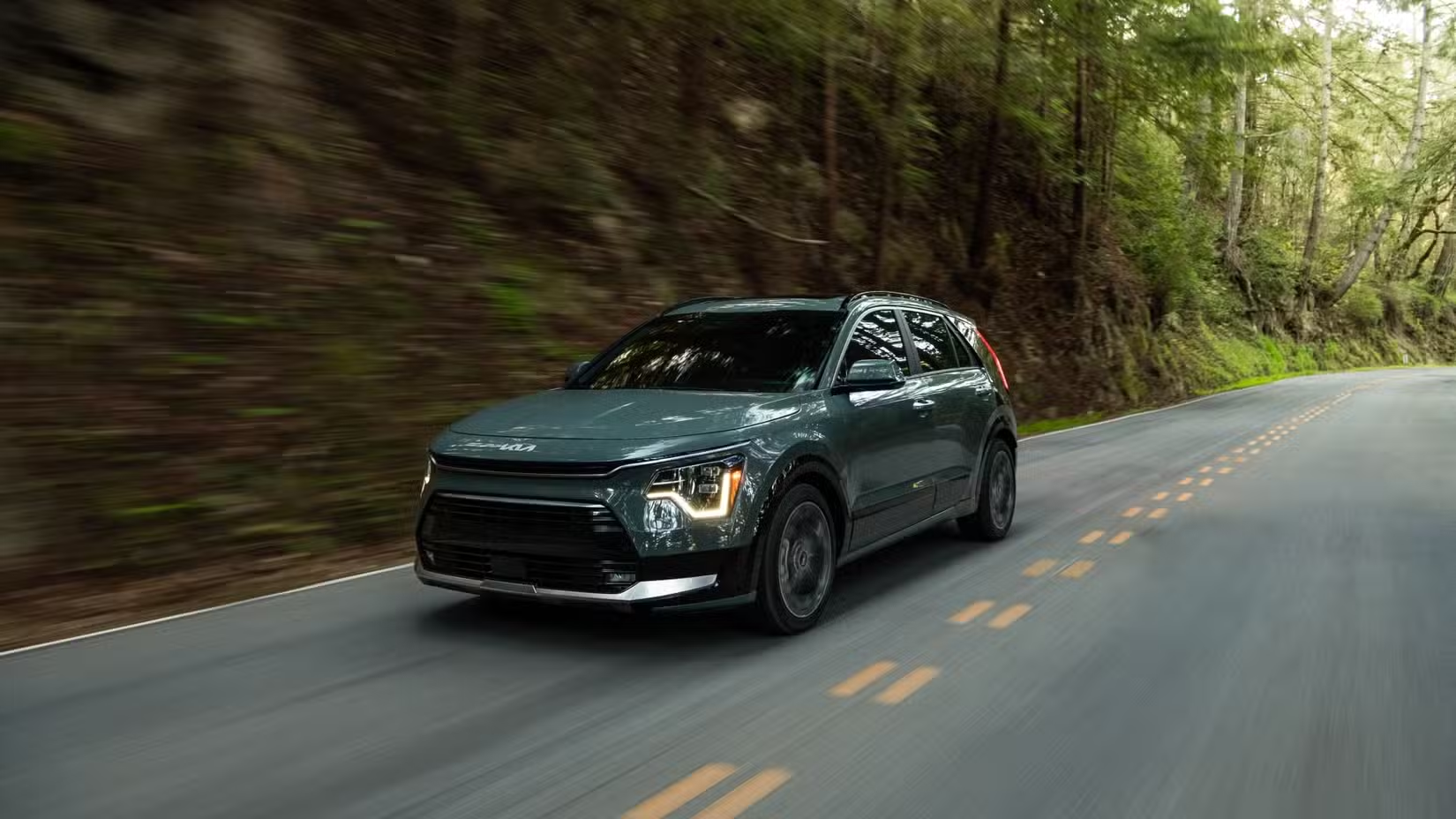
Credit: Kia
With an EPA-estimated highway rating of 54 mpg for most trims, the 2026 Niro Hybrid excels not just in city driving but also on longer trips, surpassing all competitors in the non-plug-in hybrid SUV category. This achievement is supported by a combination of competitive pricing, low total ownership costs, ample interior space, and generous cargo capacity, positioning the Niro Hybrid as a top choice for buyers who require versatility at both highway and city driving.