SoftBank’s CEO Joins the Chorus of Skeptics About Elon Musk’s Orbital Data Center Buzz

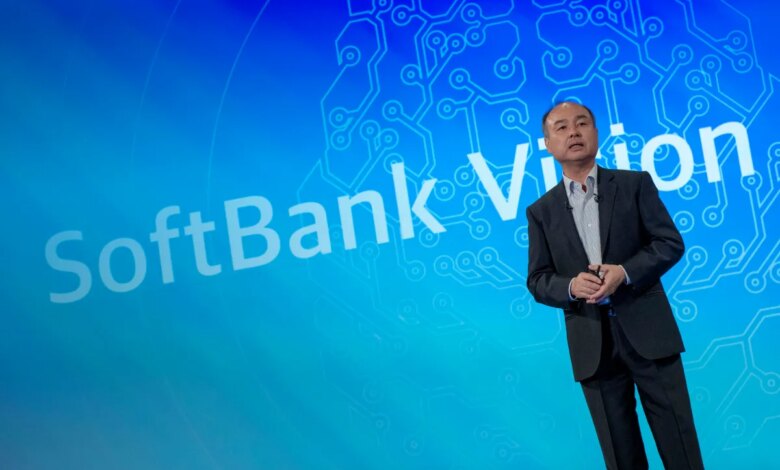
Elon Musk’s concept of orbital data centers is facing skepticism from some industry leaders.
At a recent shareholder meeting, Masayoshi Son, the founder and CEO of Softbank, expressed doubt that constructing data centers in space would effectively reduce costs. He emphasized that the current focus should be on the rapid advancements in AI over the next few years, rather than on potential developments that are a decade away.
On a recent episode of the TechCrunch Equity podcast, hosts Kirsten Korosec, Sean O’Kane, and I reflected on Son’s comments amidst discussions that also touched on OpenAI’s chip initiatives, Groq’s notable funding success of $650 million, and other related topics.
Kirsten pointed out the irony in Son’s skepticism, considering SoftBank’s history of ambitious investments.
Sean added that Musk’s notion of creating a satellite network to form an ‘orbital data center’ essentially ensures more business for SpaceX, especially since these satellites will require regular replacements.
Here’s a look at our conversation that’s been edited for brevity and clarity.
Sean O’Kane: Neo-clouds are emerging as the new essential resource, and everyone looking for profit is shifting towards them. I’m thrilled to share that TechCrunch is now part of this neo-cloud trend, so feel free to invest.
It’s clear that there are numerous companies facing compute limitations, and anyone able to offer that capacity is seizing the opportunity. This includes Groq, which has faced challenges from Nvidia, and Allbirds, which after bankruptcy is now focusing on becoming a neo-cloud provider rather than just selling shoes. Tim Fernholz’s interview with the new CEO of this venture is definitely worth checking out.
Similarly, SpaceX aims to build an AI platform with a market as expansive as the U.S. GDP, but in the meantime, they’re renting out their computing power. They recently signed a new deal to lease compute resources, adding to their portfolio. The sustainability of these moves, especially for Groq, will be key in the long run.
Anthony Ha: When discussing SpaceX’s advancements and their foray into the data center industry, we must address Son’s recent statements questioning the practicality of space-based data centers—a discussion we’ve entertained before.
Son raises valid points regarding the challenges faced in developing data centers. Although some industry professionals are exploring space solutions amid terrestrial constraints, the reality is that these ambitious plans will take years to materialize, making them less relevant to our immediate data center needs.
Kirsten Korosec: It’s noteworthy that SoftBank has a track record of making daring investments. Son’s questioning reflects concerns shared by many but also creates an interesting dynamic, considering his own past bets that seemed bold at the time.
Sean: Think about WeWork! The idea of establishing operations in space presents unique engineering and economic challenges moving forward.
Anthony, your observations ring true. Elon Musk, known for his aversion to bureaucratic barriers, is likely keen to pursue opportunities in space, where regulations are less restrictive.
However, SpaceX’s business model heavily relies on Starlink for its launch services. Without Starlink, their market share would significantly diminish, showing how intertwined these ventures are.
By proposing a satellite constellation to create an ‘orbital data center’, Musk is effectively cementing future demands for SpaceX’s launch services, which is a critical aspect of this business strategy.
Kirsten: It’s also worth noting that another significant business for SpaceX involves leasing out their computing resources, bringing us full circle back to the chip discussion.
Anthony: A recurring theme in our conversation is the tendency for executives to promote futures that favor their businesses. This pattern is not new, and it’s crucial to keep in mind as tech leaders speculate about the prospects of AI and its effects on various sectors.
AI executives and investors offer their insights, which may hold validity, but they often have vested interests that could color their predictions. Both Musk and Son, with their substantial stakes in data center projects and related investments, reveal how nuanced these discussions are, making it essential to view them with a critical lens.