San Francisco Mayor Advocates for Stricter Regulations Following Waymo Traffic Incident

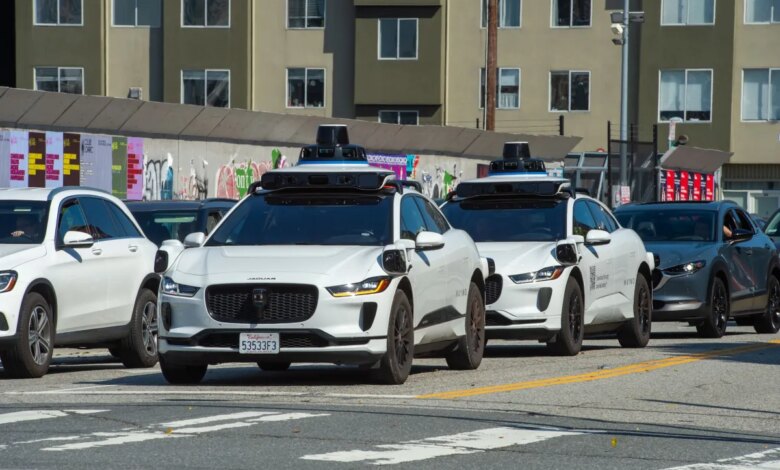
San Francisco Mayor Daniel Lurie, a proponent of using the city as a testing ground for new technologies, has encountered the drawbacks of autonomous vehicles after a recent incident caused significant traffic disruptions.
Following a July 4th incident where Waymo’s autonomous taxis became stuck in heavy traffic and subsequently lost power, Mayor Lurie has urged state authorities to tighten regulations regarding self-driving cars. The standstill not only caused chaos for drivers but also affected numerous municipal shuttle services across the city.
In a letter addressed to the state’s Department of Transportation, which was reported by a major publication, Lurie highlighted two critical incidents— a widespread power outage in December and the heavy traffic during the fireworks display on July 4th, which drew approximately 100,000 attendees. Both situations led to numerous stranded Waymo vehicles, exacerbating the traffic crisis.
He stated in his correspondence that these occurrences underscored the inadequacy of California’s current regulations in managing the operation of autonomous vehicles during significant events, whether planned or unexpected. “The challenge for California,” he wrote, “is not solely whether these vehicles can navigate safely under ordinary conditions, but if they can function reliably amid extraordinary circumstances.”
Lurie proposed that makers of autonomous vehicles be required to exhibit four essential operational capabilities and urged the California Department of Transportation to develop uniform standards to mitigate future issues like the ones experienced on July 4th.
His recommendations include the immediate removal or relocation of robotaxis from busy travel lanes to facilitate traffic flow, real-time adaptability regarding their routes, and providing local authorities with real-time operational data, such as disruptions and recovery efforts. Additionally, companies would need to prove their ability to handle large surges in traffic through extensive testing.
In response to the situation, TechCrunch has reached out to Waymo for feedback. The article will be updated upon receiving their comments.
Any operator seeking to run a robotaxi service in California must successfully complete two permit processes managed by the Department of Motor Vehicles and the Public Utilities Commission. Although California’s regulations are stricter compared to states like Texas and Arizona, this has not deterred companies from pursuing operations in the region.
The San Francisco area, extending down into Silicon Valley, has long served as a testing site for autonomous vehicle technology. Currently, six companies, including Nuro, Waymo, and Zoox, possess permits to test driverless vehicles without a human operator present.
Several of these companies, including Amazon’s Zoox and a premium service from Uber, are also working towards launching commercial operations, which necessitate additional permits from relevant authorities.
Waymo currently leads the pack with around 1,000 robotaxis active in the Bay Area. Other companies are either in the testing phase or preparing to initiate commercial services. Tesla has its version of a robotaxi offering, albeit without full autonomy or corresponding permits; instead, it operates a charter transportation service with human drivers and advanced driver assistance technology.
Waymo’s extensive operations have drawn significant attention from regulators at both local and state levels, as the company now operates in 11 different cities and claims to complete over 500,000 paid rides weekly. Mayor Lurie pointed out that, although Waymo had previously agreed to limit its services near the waterfront on July 4th and designated a representative for the city’s emergency operations, this wasn’t sufficient to avoid the significant traffic issues that ensued.
Lurie expressed that voluntary commitments are no longer adequate, indicating the growing scale of Waymo’s fleet. He reiterated that the four proposed requirements will serve to enhance the overall functionality and reliability of autonomous vehicles rather than diminish them.