Introducing the Compact and Solo Versions of Eight Sleep’s Pod 6, Priced from $1,999

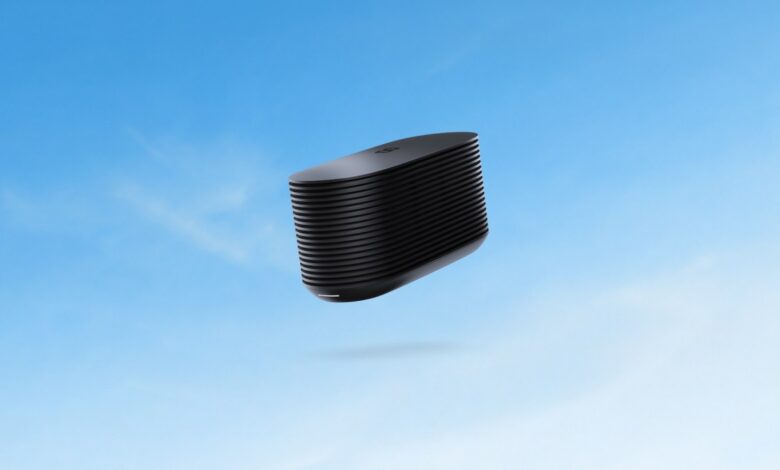
Eight Sleep, a company specializing in sleep technology, unveiled its latest Pod 6 device on Wednesday. This new model is smaller than its predecessors, making it compatible with a wider range of bed frames, and includes solo options designed for individual users. The firm claims that the Pod 6 can adjust temperatures on either side of the bed 20% faster compared to earlier versions.
Due to its reduced size, the Pod 6 can accommodate most bed frames. The device is equipped with nine times more sensors, allowing it to finely tune temperature settings for each user, even if they are sleeping next to one another. It can also disregard data from pets or children sharing the bed, ensuring accurate readings for the two primary users.
The Pod 6 is now available in over 37 countries, with pricing starting at $1,999 for solo sizes and $2,699 for standard sizes. The solo options are compatible with Twin beds and one side of Queen, King, and California King beds, while standard sizes will be offered in Queen, King, and California King configurations. The Pod 6 is also compatible with existing accessories like blankets and pillow covers.
In addition to new product launches, Eight Sleep is actively seeking FDA approval to reclassify its Pod as a medical device for sleep apnea treatment in the United States.
Earlier this year, the company secured $50 million in funding from Tether, boasting a valuation of $1.5 billion. To expand its global reach, Eight Sleep introduced its products in China, Qatar, Bahrain, Kuwait, and Singapore, with China emerging as one of its most rapidly growing markets.
CEO Matteo Franceschetti revealed that international sales account for over 30% of the company’s revenue and emphasized aspirations to explore further expansions into additional regions in Asia and Latin America. He acknowledged the ongoing component shortages in the electronics industry but did not elaborate on how this might affect product pricing.
“We are definitely noticing shifts in the market due to the increased demand for components from AI companies. We are actively adjusting our supply chain to adapt to these changes. This is something we need to keep an eye on, especially as our devices grow more advanced and integrate AI features,” he stated.