Recently, Immich has emerged as a popular choice among my peers for photo management. Although I tend to shy away from self-hosting solutions, I can’t help but notice the growing trend surrounding this software, which is surprisingly gaining traction as a go-to option for managing digital photo libraries.
So, what exactly makes Immich noteworthy? At first glance, it may not seem impressive, but there are several compelling reasons why users are opting to replace their cloud subscriptions with this self-hosted solution for their photo collections.
Feels Like Google Photos
A Nod to Imitation
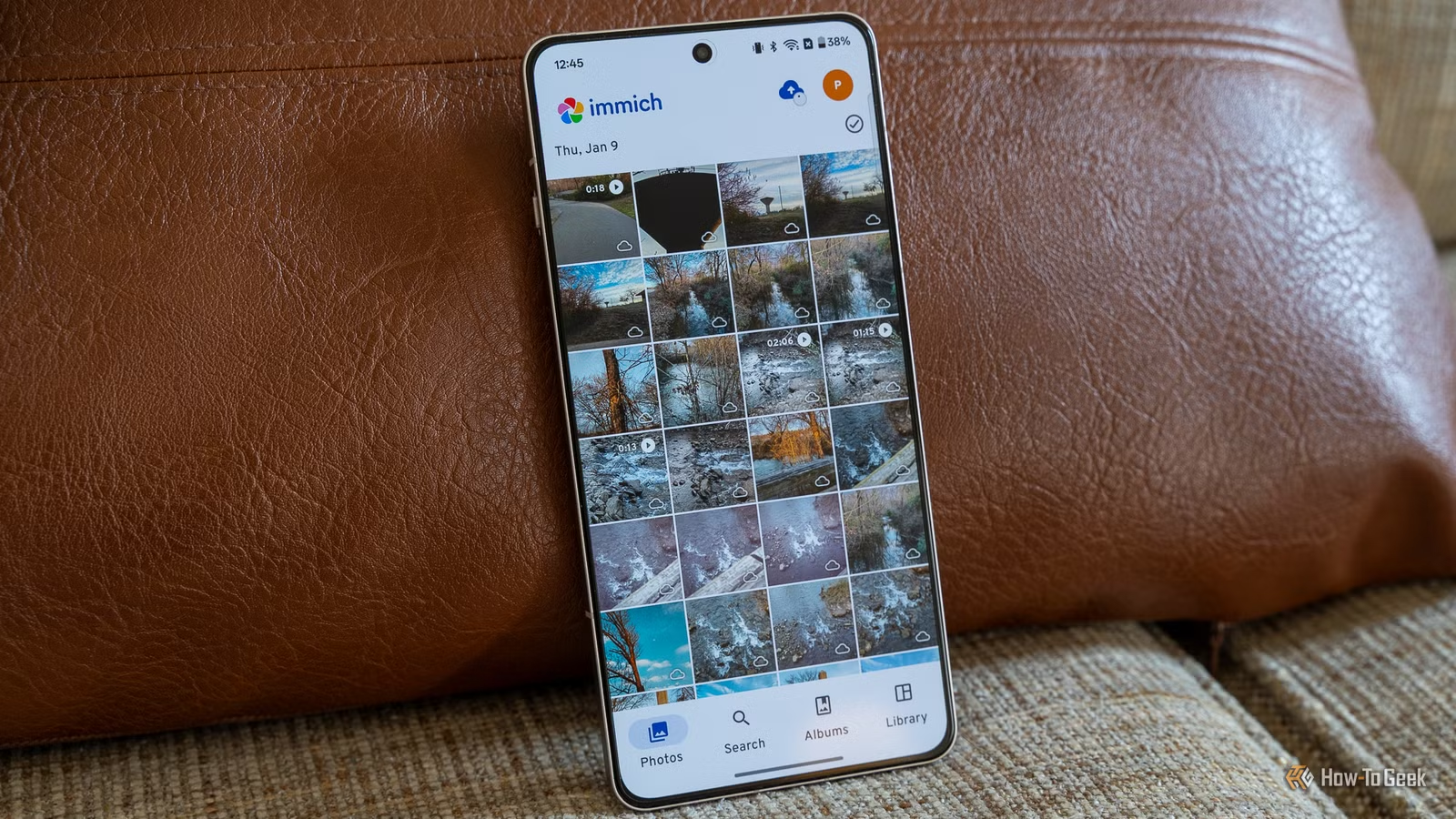
In my recent exploration of alternatives to mainstream services, Immich stood out—not only for its sleek design but also for its striking resemblance to the interface and functionality of Google Photos.
As Google Photos is likely the most ubiquitous photo management application globally, available on nearly all Android devices, it’s logical that Immich seeks to facilitate an easy transition for users. Its intuitive design aligns closely with the user-friendly aspects of Google Photos, making it a viable option for those looking to switch.
Essentially, Immich acts as a bridge into self-hosting, providing the polished experience akin to proprietary software. It manages to do so without the usual pitfalls commonly associated with open-source solutions.
Addresses Automatic Phone Backups
Building Trust
While I particularly appreciate the AI search capabilities of Google Photos, which helps me sort through thousands of images effortlessly, the cornerstone feature for me has always been automatic backups. I’ve grown accustomed to knowing that any photo I take is instantly backed up to the cloud whenever a network connection is available.
This feature is crucial for Immich’s success. The application allows for a seamless experience, with photos and videos uploading automatically once set up, giving users a hassle-free experience similar to what Google has perfected.
A colleague of mine, Patrick Campagnale, fully transitioned to Immich after leaving Google Photos, and so far, it seems to be working well for him. Although he has an impressive home server setup, he mentions that self-hosting isn’t a requirement; users can opt for cloud hosting as well, albeit at the cost of some privacy advantages.
Utilizes AI Without Cloud Dependence
The Wonders of Machine Learning
Even though I prioritized automatic backups over advanced search features initially, the latter is still invaluable. The ability to search for specific people or items like “3D printer” or “brown dog wearing a hat” can significantly expedite the process of locating desired images.
Lucky for users, Immich makes it easy to implement these advanced search functions. Its documentation outlines various searchable attributes such as recognized faces, image contents, file names, and more. This broad range of search capabilities ensures that users can find their photos without the clutter of a poorly organized library.
The good news is that while you’re getting similar AI advantages to Google Photos, you aren’t tied to it. This compelling value proposition has undoubtedly piqued the interest of many users.
In the past, convincing people to self-host their photo collections would have been met with skepticism. Cloud storage was inexpensive, privacy concerns weren’t as widespread, and home server setups were less common.
Fast forward to today, and self-hosting has become increasingly accepted and popular. Many individuals use services like Plex or Jellyfin without realizing they are engaging in self-hosting. The global community now embraces this approach, and Immich is perfectly positioned to meet current demand. It’s a timely, fitting, and economically sensible solution for those looking for alternatives in photo management.