Microsoft introduced the Surface line to illustrate the potential of Windows-based computers, aiming to challenge Apple and raise the bar for other manufacturers. Initially, this strategy was effective: innovative models like the detachable Surface Book and the versatile Surface Laptop Studio made Apple’s offerings appear outdated.
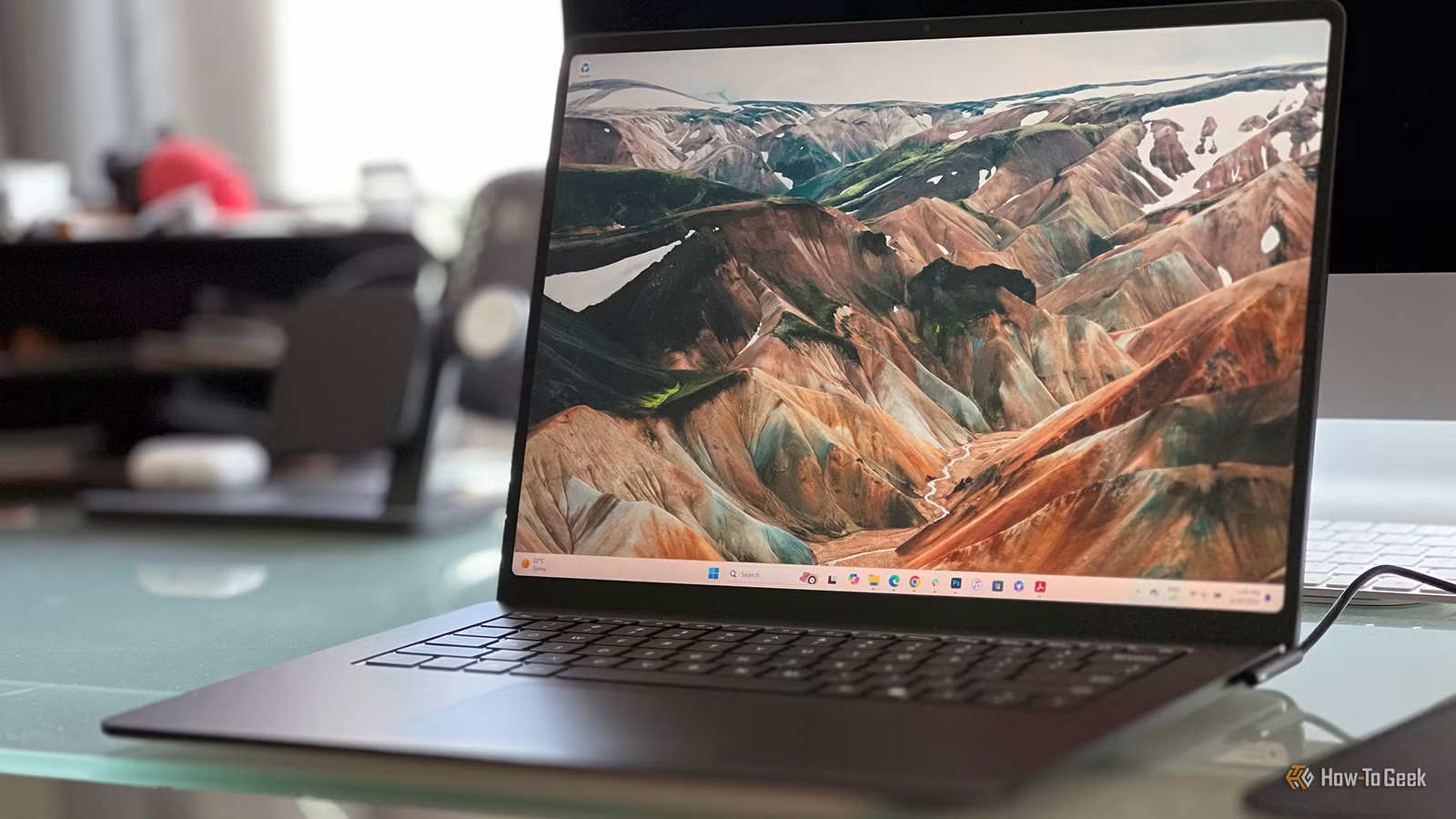
However, a shift occurred. While using the 15-inch Surface Laptop 7—one of Microsoft’s recent standout devices—I noticed the brand’s hardware had become stagnant. Eventually, I transitioned to a MacBook Pro M4, not only due to its superior performance but also because Apple had re-embraced innovation. Since then, I have not regretted my decision.
Surface Lacked Inspiration
Prospects Limited Beyond Chip Design
My experience with the Surface Laptop was largely positive. Its Snapdragon X Elite chip provided exceptional speed and impressive battery life, easily lasting through a full workday with energy to spare. The keyboard, trackpad, and general build quality were excellent, and the advancements in Windows on ARM allowed all my favorite applications to run smoothly. Additionally, the touchscreen feature was a significant advantage, especially in comparison to Apple’s lack of this option.
Nonetheless, the longer I worked with the Surface, the more apparent its lack of inspiration became. Microsoft’s design felt outdated—think USB-A ports—and aside from the extended battery life and a user-friendly version of Windows, there was little about it that stood out. Compatibility issues with ARM apps didn’t help; even switching to an x86 model would have resulted in poorer battery performance and other inconveniences.
No signs of new technology were on the horizon, either. The Surface Book had been discontinued; the Surface Laptop Studio was neglected; and the rest of the lineup consisted of either aging models or those nearing obsolescence. By late 2024, I felt compelled to seek alternatives.
Why I Chose Apple Over Surface for My Next Device
Apple’s Timely Innovations
I could have opted for another Windows device, which might have sufficed. Companies like Asus are known for pushing limits in laptop design, often featuring dual screens and other innovative designs. Lenovo excels at crafting versatile convertibles and powerful portable workstations. If I had to switch in an instant, I’d choose a ThinkPad X9.
However, many Windows options felt too similar, so I turned my attention back to Apple. I had long admired their products and had previously used Macs, but by the end of 2024, Apple was truly in its element. Although the MacBook Pro M4 utilized a design that was three years old, it felt more inspiring and was equipped with a noticeably faster chip.
More critically, Apple was leveraging its hardware to enhance software innovation. While its AI features were still in the early stages, they remained less intrusive than Windows Copilot. Video calls were superior compared to any Windows device, thanks to better image processing and auto-framing. Additionally, the ability to mirror my iPhone showcased a seamless integration that Microsoft seemed to miss. This, in conjunction with Apple’s established strengths in media editing, made a compelling case for the MacBook Pro.
Though Apple lacks a touchscreen and has been criticized for conservative hardware updates, it is at least progressing while Microsoft appears stagnant. Microsoft’s recent promises to revitalize Windows quality after lingering issues with unwanted features, such as intrusive software updates, did not inspire confidence. With no compelling reasons to stick with Windows in 2024, I chose the MacBook Pro.
No Return to Microsoft for Me
Windows Improves, But Surface Falters
I’m not in a hurry to revert to Surface products. Windows has seen advancements in recent months, yet the Surface lineup has not kept pace. Price increases aside, Microsoft has streamlined its offerings to just the Surface Laptop and Surface Pro, featuring outdated designs; any changes have been minimal, particularly with the Laptop 8’s new privacy display. In contrast, other brands seem to take bolder, more innovative approaches to their products.
Ironically, while Microsoft appears to be stepping back, Apple is expanding its product range. The upcoming MacBook Neo is a fresh model aiming to disrupt the PC market. Rumors suggest that Apple will soon catch up with OLED touchscreen technology in laptops and accelerate CPU releases to outpace competitors—coupled with software improvements like updates to Siri driven by AI advancements. I cherish my memories of the Surface Laptop, but the future looks dim for Microsoft unless they reignite their innovative spirit.