Enterprising Modders: The Journey of Installing Windows NT on Nintendo GameCubes

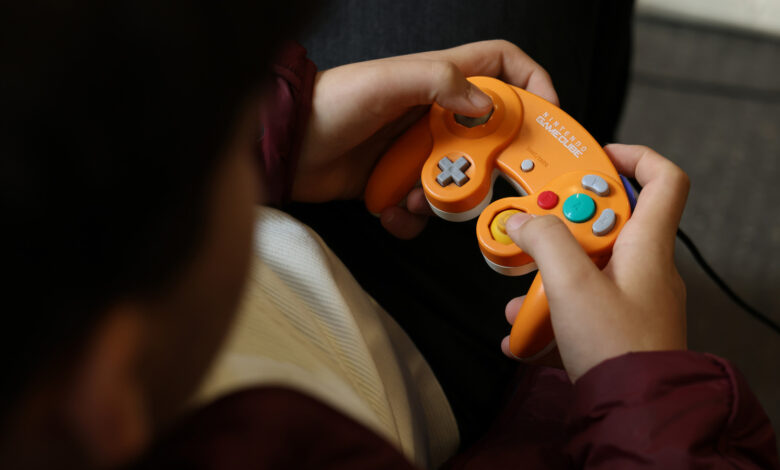
A nostalgic journey into retro gaming through innovative modifications.
The rise of “analog” technology is inspiring enthusiasts to explore new ways to customize their hardware, leading to a surge in console modding. While disassembling and reassembling gaming devices has always had a strong following, the online communities surrounding this practice are increasingly gaining mainstream attention. As more individuals dive into the world of modding, competition among hobbyists drives significant innovations.
Consoles are often modified to enhance their functionality; for instance, a mod allowing GameCube controller support on the 3DS emerged a decade ago. However, the collaborative and competitive nature of modding communities often leads to experimental projects, pushing the boundaries of these technologies—often with the classic game Doom featured along the way. A notable recent endeavor involves running Windows NT 4.0 on the GameCube, sparked by the Entii for Workcubes project on GitHub, with detailed videos of the modding process gaining traction, particularly by content creator Jiga Tech.
Modding Windows NT onto GameCube

The journey began last year when a version of Windows NT for PowerPC was released. Since both the Wii and GameCube leverage similar PowerPC architecture, modders were able to implement the Entii for Workcubes on the GameCube, bridging the technology from the 90s to the era of Wii U. While practical uses are limited, this achievement represents a significant milestone in modding, likely paving the way for future developments.
Demonstrating this modding effort in action began in February of 2025 with a video by creator emu_kidid, illustrating the software setup necessary to run Windows on the GameCube. Moving into 2026, creators like Jiga Tech and Michael MJD have produced detailed videos focusing on the hardware aspects. This process includes removing the disc drive to fit a mod drive and utilizing an SD card embedded in a GameCube memory card to install the software. Both creators successfully got the system operational, with Michael MJD showcasing a game of “Solitaire,” while Jiga Tech integrated functionalities for the ASCII GameCube keyboard and the DK Bongo controller.
Significance of the GameCube in Modding

The level of integration achieved is remarkable and reflects the hardware similarities between the Wii and GameCube, especially their shared PowerPC architecture. Although the GameCube wasn’t the top-performing console of its generation, it seamlessly transitioned into the subsequent generation without significant modifications. While the Wii might have been one of the least powerful systems in the market, it still managed to compete effectively.
The impressive use of older consoles highlights the contrast with Nintendo’s current stance on modding newer systems, where manufacturers implement strict anti-modification measures. Nintendo’s reputation within the modding community is heavily influenced by its legal actions, propelling modders to explore older platforms instead. As discussions surrounding tech ownership and the preservation of games continue to evolve, projects like the Windows NT mod on the GameCube could serve as precursors to further advancements, granting enthusiasts greater control over the technology they own.