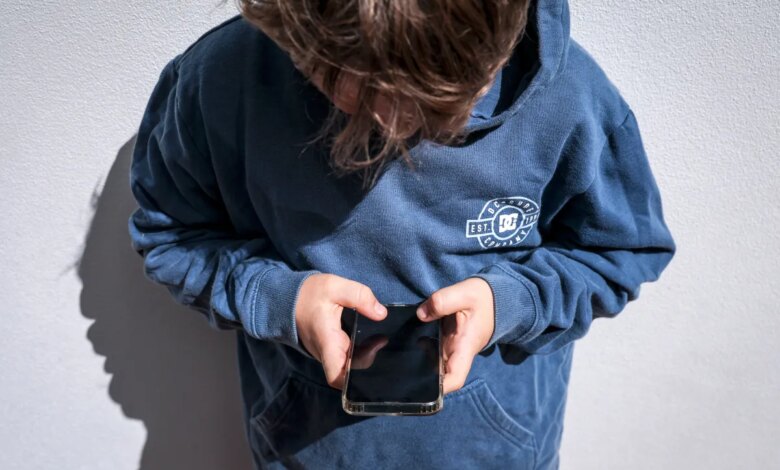
In recent months, numerous nations have unveiled plans to limit social media access for minors. Australia pioneered these measures, implementing restrictions at the end of the previous year, and now France is following suit.
These regulations seek to mitigate the potential dangers that young users face on social media, including issues like cyberbullying, addiction, psychological challenges, and the threat of online predators.
Despite the intentions behind these laws, there are significant concerns regarding privacy, particularly related to age verification and government oversight. Critics argue, including voices from Amnesty Tech, that such bans often miss the mark and do not reflect the realities faced by younger individuals. Nonetheless, various countries are progressing with their proposed regulations.
Below is a summary of nations that are considering or implementing bans on social media usage for minors.
Australia
Australia emerged as the first country to prohibit social media access for individuals under 16, implementing the policy in December 2025. The ban restricts access to platforms such as Facebook, Instagram, Snapchat, Threads, TikTok, X, YouTube, Reddit, Twitch, and Kick, while WhatsApp and YouTube Kids remain unaffected.
The Australian government insists that social media companies must take measures to prevent minors from using their services, with noncompliance potentially leading to fines of up to $49.5 million AUD ($34.4 million USD).
Officials specify that these platforms should implement various age verification techniques to ensure users are indeed above the age threshold, rather than relying solely on self-reported ages.
Austria
Austria announced in late March its intention to restrict social media access for children up to 14 years old. Draft legislation for this measure is anticipated to be completed by June.
Canada
In early June, the Canadian government introduced a digital safety bill that would prevent anyone under 16 from using social media. The proposed legislation allows companies to bypass the ban if they can prove they have measures in place to protect young users. Officials estimate the bill could take up to a year for approval.
Denmark
Denmark plans to restrict social media use for children below 15, with support from various political parties. This initiative was announced in November 2025 and could take effect as early as mid-2026. Additionally, the country’s digital affairs ministry is creating a “digital evidence” app that incorporates age verification tools, which may be utilized in enforcing the ban.
France
On July 21, France enacted legislation prohibiting social media access for anyone younger than 15. The law may be implemented as soon as September 1 and will also extend restrictions on cellphone usage in high schools, building on existing limits in primary and middle schools.
Germany
In February, discussions emerged among German lawmakers about a proposal to ban social media for individuals under 16. However, signs of hesitation from coalition partners have made the outcome uncertain.
Greece
Greece’s Prime Minister Kyriakos Mitsotakis declared in April that a ban on social media for children below 15 will be implemented starting January 2027, aimed at addressing mental health issues such as anxiety and sleep disorders linked to social media use.
Indonesia
In early March, Indonesia announced a ban on social media for minors under the age of 16, targeting platforms like YouTube, TikTok, Facebook, Instagram, Threads, X, Bigo Live, and Roblox.
Malaysia
Malaysia revealed plans in November 2025 to restrict social media for children under 16, with the implementation expected within the year.
Poland
Poland’s ruling party is currently drafting legislation aimed at prohibiting social media access for children under 15.
Slovenia
Slovenia is in the process of crafting a law to prevent minors under 15 from accessing social media, as announced by the deputy prime minister in early February.
Spain
In early February, Spain’s Prime Minister announced plans to forbid social media access for those under 16, pending parliamentary approval. Additionally, the government aims to establish accountability measures for social media executives regarding hate speech.
Turkey
In April, Turkey’s parliament passed a bill to restrict social media access for minors under 15, pending approval from President Recep Tayyip Erdogan to become law.
UK
UK Prime Minister Keir Starmer announced on June 15 a ban on social media for children under 16, affecting platforms like Snapchat, TikTok, YouTube, Instagram, Facebook, and X. However, messaging services such as WhatsApp and Signal will not be included.
The plan also entails limitations on AI functionality, ensuring that AI chatbots designed as “romantic companions” are only available to users over 18. Experts have raised concerns regarding the effectiveness of such a blanket ban. Starmer recognized the challenges but maintains that enforcement is feasible, with the ban potentially in place by spring 2027.
This article was first published in February 2026 and is updated regularly with new information.