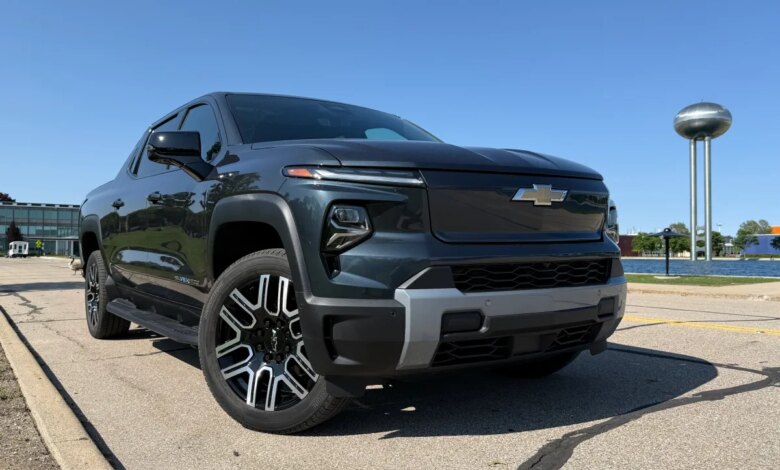
Even though I enjoyed driving my dad’s Chevrolet S-10 pickup from the passenger seat during my childhood, I didn’t think I would be Chevy’s ideal customer, as I prefer hatchbacks over trucks. However, after spending a day exploring Detroit in the Silverado EV, I began to see the potential for it to convert me into a truck enthusiast.
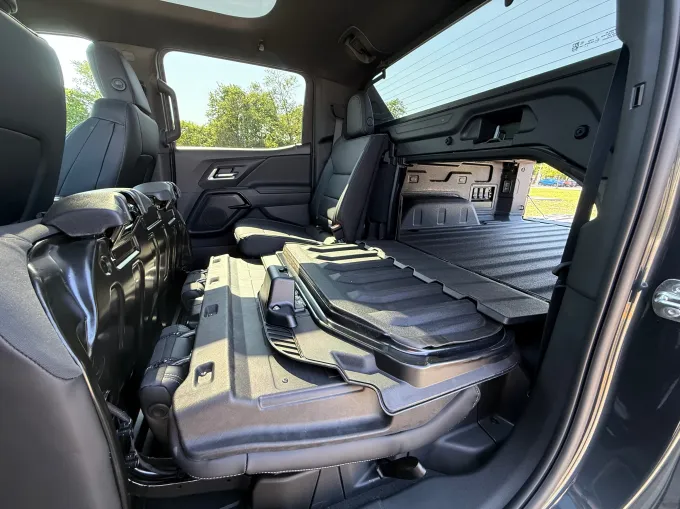
The Silverado EV offers a driving experience reminiscent of a car. It boasts a spacious bed, an impressively large frunk, and ample backseat room. The interior is notably quiet, and the vehicle is capable of powering your home in emergency situations like hurricanes. It can haul heavy loads, tow, and provide hands-free driving on the highway, all while delivering over 400 miles on a single charge—an enticing combination for pickup truck aficionados.
However, the truck has not been selling well. GM reported sales of around 14,000 units in the U.S. and Canada last year, while traditional gasoline-powered Silverado models manage to sell ten times that amount each quarter. After my test drive, I’m puzzled by the low numbers; it seems GM has crafted an ideal American electric vehicle that isn’t resonating with buyers.
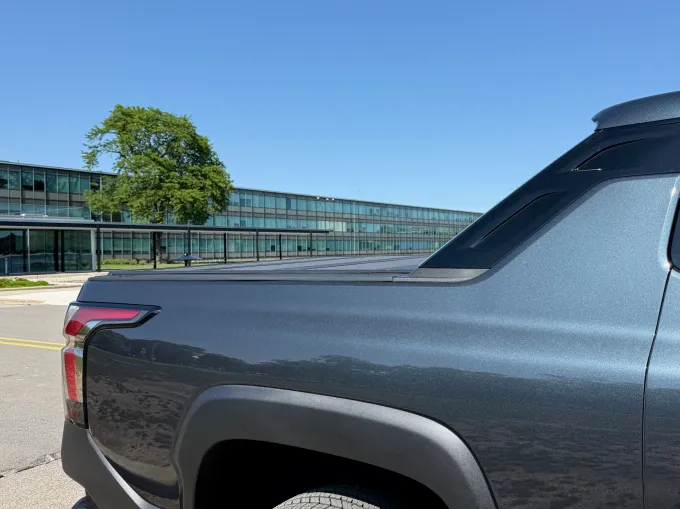
Perhaps the truck’s appearance is a factor? At first glance, it may remind some of the classic Chevy Avalanche, which could evoke mixed feelings depending on one’s personal preference. The Silverado EV features four doors, a bed that extends into the cabin, and a distinctive “sail” design that enhances aerodynamics. I found its looks appealing, but then again, I’m not a dedicated truck fan.
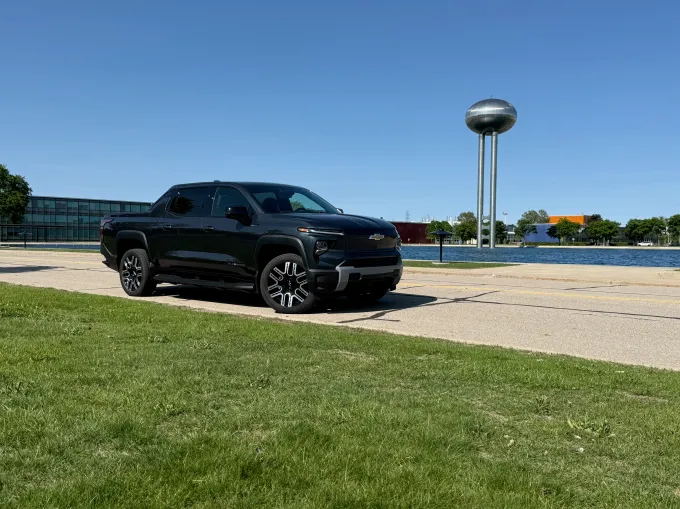
Climbing into the truck involves a bit of effort, but once settled, the interior is roomy and comfortable. With a simple push of the brake, the Silverado EV awakens, and its clear, vibrant displays dominate your view. The seats are supportive, and like most electric vehicles, it accelerates swiftly when you step on the gas. Though nearly 20 feet in length, its rear-wheel steering allows it to navigate tight spaces like a smaller hatchback, except when trying to fit into a narrow parking spot.
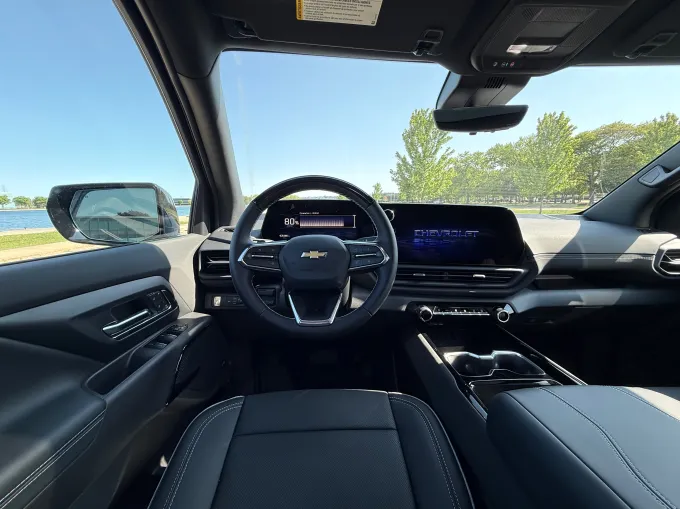
The infotainment system, powered by Google, is easy to navigate and responsive, almost matching the speed of an iPhone. The voice command functionality is effective, and the presence of physical controls for volume and temperature makes adjustments intuitive, a refreshing nod to traditional design.
For navigation, the Google system provides a user-friendly interface, suggesting multiple routes along with an estimate of how long hands-free driving can be utilized via Super Cruise, GM’s advanced driving feature. While the rationale behind not including CarPlay in Chevy’s EV lineup has been under debate, it seems this might justify that decision, although I remain unconvinced.
On the subject of Super Cruise, it proves to be just as capable as advertised. I previously tested it in a Bolt and was impressed, but in the Silverado EV, I experienced it during busy commuting times. Given the truck’s size, using Super Cruise is practically essential for a relaxed driving experience.
However, the system isn’t perfect. It struggles with lane-keeping at times, especially when vehicles quickly merge in front. There was a particularly tense moment when the Silverado EV almost collided with a paint mixer truck; the radar should have detected that clearly.
Overall, Super Cruise contributes to a smooth ride, aided significantly by the 205-kilowatt-hour battery positioned in the center of the vehicle, which adds substantial weight. Credit is also due to the engineers who designed its ride and handling, making it one of the smoother trucks available.
Efficiency-wise, I measured approximately 2.1 miles per kilowatt-hour, which is about 10% to 20% better than my Audi e-tron, despite being a smaller vehicle with lesser wind resistance.
So, what could be causing the slow sales?
Some industry analysts attribute the issue to the Silverado EV’s higher price. However, I remain skeptical. The average cost for full-size pickup buyers is around $66,000, just $5,000 shy of the MSRP for a Silverado EV LT Extended Range model, which offers 410 miles on a complete charge. The LT Max Range model I tested adds another 68 miles but at a significantly higher cost.
Others cite the EV’s lower towing capacity, which is about 60% less. Yet, this shouldn’t deter many potential buyers, as around 75% of full-size truck owners only tow once a year. There should be a sizable group of traditional Silverado buyers ready to transition to this model, yet the sales figures don’t reflect that.
It seems that GM and other manufacturers have misunderstood the truck market’s tendencies, which often suffer from inertia—fear of change. Potential customers likely worry about electric range, charging options, and other unknowns, which has hindered the acceptance of EVs in general, particularly electric pickups.
This hesitance is unfortunate because most of those concerns dissipate after becoming accustomed to an electric vehicle, and the Silverado EV represents a solid initial foray into the electric truck market. With further improvements, could GM reduce weight to enhance both payload and towing capacity while possibly reducing battery size to lower costs?
GM may be on the verge of addressing the cost issue, as the automaker has hinted at the introduction of a new battery chemistry, lithium-manganese-rich (LMR), that aims to reduce costs by approximately $6,000 while maintaining the range later in this decade. If these savings translate to consumers, it would bring the electric model closer in price to its gasoline counterpart.
If revisions succeed in lowering the price, I might be tempted to consider the Silverado EV myself. Unfortunately, it wouldn’t fit in my vintage two-car garage, meaning I would need a larger home for my new pickup. And what could be more iconic than that in America?