Summary
- Amazon claims that its new Vega OS enhances both performance and security, but it sacrifices the ability to sideload Android apps.
- The company believes that most users will not feel the impact, although dedicated Fire TV fans may lose substantial flexibility.
- Thus far, Vega OS has not resulted in notably more affordable hardware or exciting features that would entice customers.
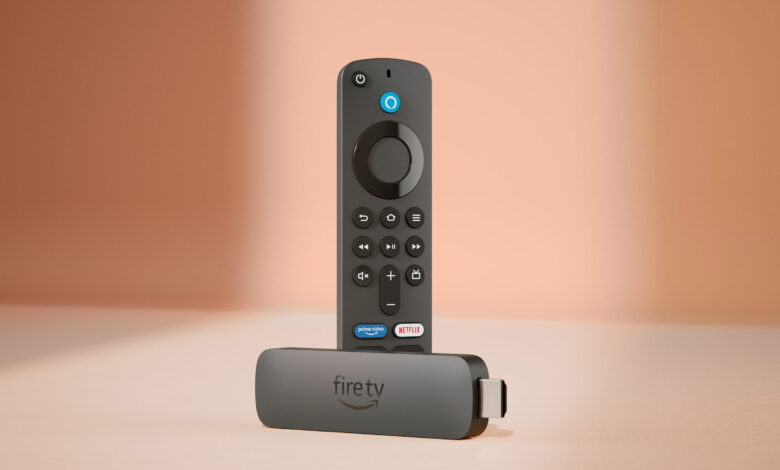
With the launch of the Fire TV Stick 4K Select last year, Amazon initiated a significant transition. Instead of the familiar Android-based Fire OS, the device now operates on Vega OS—Amazon’s new Linux-based operating system. A notable drawback is that Vega OS does not permit the sideloading of Android apps, leading many to question the benefits of this shift.
What prompted this change? In an interview, Aidan Marcuss, VP of Fire TV at Amazon, explained that Vega OS allows for better software optimization, particularly on lower-end devices. He mentioned that the first Vega-powered 4K streaming stick could function with just 1GB of RAM while still incorporating features like Alexa Plus, which aids in reducing production costs.
This could indeed be advantageous for Amazon and potentially lead to lower prices for consumers. However, these anticipated savings have not yet been reflected in the pricing of Vega devices, which remain comparable to Android-based alternatives, thus complicating the performance narrative for buyers.
Marcuss also raised security concerns, arguing that sideloaded apps can pose risks with malicious code or undesirable behavior. He pointed out that this issue isn’t exclusive to Fire TV, but is prevalent across platforms, and acknowledged that sideloading has often been used for piracy-related applications—something Amazon wishes to eliminate. While this is a valid concern, it generalizes all sideloading users.
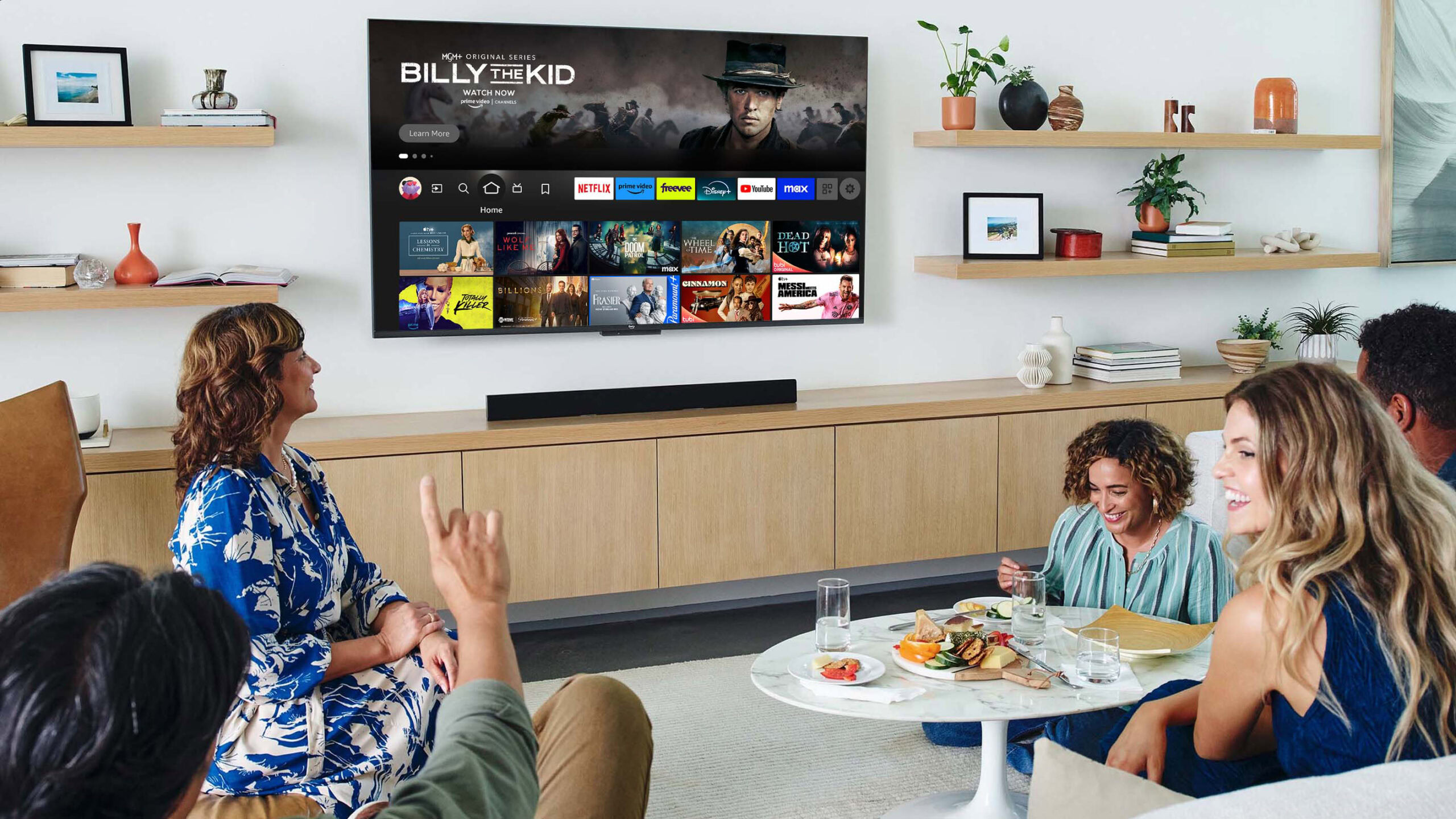
App compatibility also poses a challenge with Vega OS. Since it doesn’t run on Android, previously available Fire TV apps won’t work on new devices without redesign. Marcuss assures that most users won’t be affected, as leading streaming platforms are supported. This may hold true for casual viewers who primarily use Netflix, YouTube, or Prime Video. However, dedicated users, who appreciate the nuances, are likely to notice the lack of features.
From Amazon’s standpoint, transitioning to Vega OS allows for complete software control, freeing it from Android, and enhancing its ability to develop the platform. However, the actual benefits for consumers remain unclear. Without significant reductions in price or innovative new features, many existing Fire TV users may perceive Vega OS as a step back, limiting their options without providing adequate incentives.
Thank you for engaging with us. Please adhere to our Comment Policy if you wish to post.