After a Decade of Reviewing Smartphones: Why Upgrading in 2026 Isn’t Worth Your Money

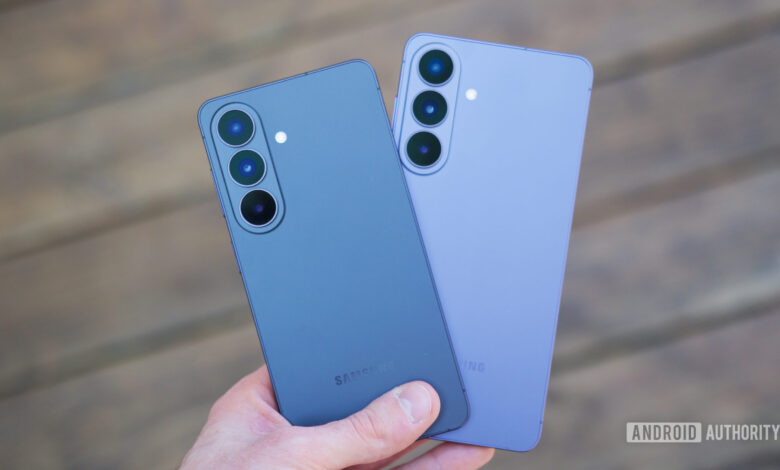
Photo Credit
For over ten years, I have dedicated my career to reviewing and writing about mobile phones. While this journey has been rewarding, the last few years have left me feeling disillusioned. My lack of enthusiasm stems not from a loss of interest in technology, but from the repetitive cycle of so-called “upgrades” that manufacturers promote as revolutionary.
Smartphone companies have entangled themselves in an annual release cycle, creating pressure to deliver a significantly improved device every year. This expectation is unrealistic and, consequently, most new models come with minimal enhancements and increased price tags, lacking true innovation.
This trend has become especially pronounced in 2026, which has seen some of the dullest smartphone introductions to date.
What are your thoughts on yearly smartphone releases?
666 votes
Key Underperformers So Far
Google’s Pixel A series has typically been my top recommendation for budget-friendly phones. However, the Pixel 10a has proved to be a letdown this year. While it’s still a strong contender at the $500 price point, it is strikingly similar to its predecessor, the Pixel 9a. With only minor hardware adjustments and software updates, the question arises: why launch it at all?
Similarly, Motorola’s 2026 Razr series introduced new colors and improved the hinge, but otherwise, the updates were minimal. Alarmingly, the base Razr 2026 not only increased in price but also reduced storage capacity, albeit with larger silicon-carbon batteries—a technology that has its downsides despite offering greater battery life.
Samsung’s Galaxy S26 and S26 Plus have largely been overshadowed by the Ultra model. The base model continuously increases in cost while facing stiff competition from Samsung’s own Galaxy FE series. Even new foldable devices, like the Galaxy Z Flip 8 and Galaxy Z Fold 8 Ultra, failed to impress, often lacking meaningful advancements over their predecessors.
Apple, too, has its own challenges, but that’s a discussion for another day. The excitement around new smartphone releases has waned significantly due to a lack of groundbreaking innovations. Once a trendsetter, companies like OnePlus now find themselves out of the spotlight.
Many Users Prefer Longer Lifespans

Photo Credit
While new devices may yield intriguing headlines, the reality is that many users do not need to upgrade annually. According to a survey, over 44% of people keep their phones for three to five years, and more than 28% retain their devices for over five years.
Within my own family, I’ve seen relatives comfortably using a OnePlus 9RT and a Nothing Phone 1 without issues. I, too, have chosen the CMF Phone 2 Pro for its excellent value, finding it capable of handling nearly all my daily needs just as efficiently as my Pixel 10 Pro XL.
With modern phones typically receiving six to seven years of operating system and security updates, the urgency to upgrade is diminished.
Extended software support discourages upgrades. Most recent launches from Google and Samsung promise years of updates, ensuring that devices remain compatible with modern apps and features. Apple has set the standard for this, and it’s encouraging to see others following suit.
Moreover, most Android apps don’t require the latest hardware for optimal performance. When was the last time an Android launch showcased a new game? While manufacturers tout improved processors, users often find little difference in everyday usage.

Photo Credit
Some of the most popular mobile games in recent years, such as Candy Crush Saga and Roblox, would run just fine on hardware several generations old. The latest Snapdragon 8 Elite Gen 5, while impressive, likely doesn’t enhance gameplay experience when compared to earlier models. Many advanced features in new processors go unused, either due to branding choices or neglect.
Time to Rethink the Yearly Launch Strategy

Photo Credit
Smartphone manufacturers could take cues from the camera industry, where new models typically appear every two to four years. Would it truly be detrimental for an Android flagship to be released every two years? This extra time could encourage brands to implement significant hardware advancements and ensure that software is polished by launch day.
Moreover, brands would save considerably on marketing expenses, which could be redirected towards developing superior products if they broke away from the annual launch routine.
However, the industry’s current climate, marred by lower demand and high component costs, makes it unlikely for anyone to take that first step. Everyone appears to be feeling the pressure.
Despite the challenges of 2026, we still anticipate new releases from the Google Pixel 11 series and Apple’s iPhone 18 series. The upcoming Pixel Glow feature and Apple’s entry into the foldable market with the iPhone Ultra generate some excitement regarding future releases.
While there are still noteworthy developments in the smartphone realm, they are coming at a less significant pace than in the past, which is disappointing for fans.
Thank you for being part of our community. We invite you to review our Comment Policy prior to posting.