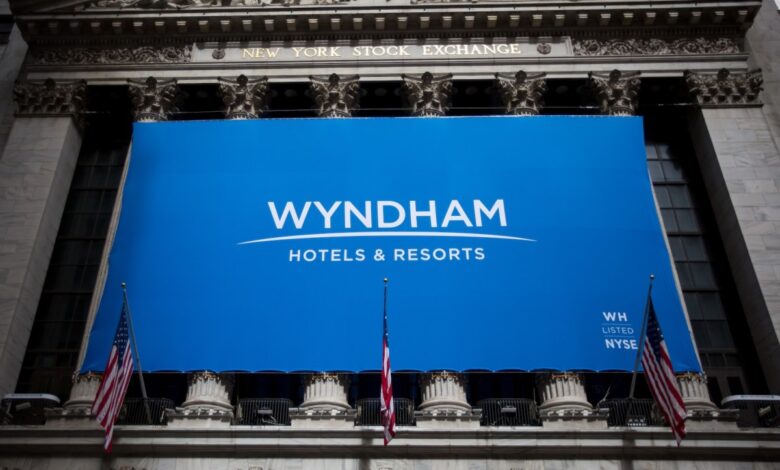
Wyndham, a leading hotel and resort chain, has confirmed a cybersecurity issue after a security researcher uncovered a vulnerability that could potentially expose customer data.
Robert Wiggins, a security researcher with What Security, reported to TechCrunch that he discovered an exposed password within the code of Wyndham’s Android application, which granted entry to an internal database maintained by Salesforce.
Wiggins revealed that this database contained personal customer details such as names, email addresses, and membership numbers. Additionally, it housed login tokens enabling users to remain signed in to their accounts without needing to re-enter their passwords, along with other company documents.
While the database reportedly contained millions of entries, Wiggins could not specify how many customer records were affected. Wyndham claims to have around 129 million loyalty program members.
The researcher noted the absence of a bug reporting mechanism at Wyndham and sought assistance from TechCrunch to make the company aware of the issue. Following TechCrunch’s notification to Wyndham’s cybersecurity team, the compromised credential was revoked to halt any further database access.
In a statement, a Wyndham spokesperson mentioned, “Our team has taken steps to address the issue.” They added there was no evidence of unauthorized data access, but did not elaborate on this claim.
When questioned, the spokesperson did not clarify if Wyndham had the necessary tools to investigate whether any data breaches had occurred before Wiggins’ notification.
TechCrunch also inquired if Wyndham intended to inform affected customers or report the incident to U.S. regulators, but the company did not provide an answer.
Moreover, Wyndham did not disclose how long the password had been hardcoded into the app or their long-term remediation plans.
Best practices dictate that app developers shouldn’t include passwords within publicly available software, a practice known as “hardcoding.” This oversight poses a severe security risk, as anyone can extract such credentials to access associated systems. Hardcoded credentials typically receive a high vulnerability severity rating due to their risk level.
This instance marks Wiggins’ second identification of hardcoded credentials in just two weeks, having previously found a similar flaw in Applebee’s app that compromised customer information. He leveraged AI tools for both findings, which help sift through extensive code files rapidly to identify basic security flaws.
Reflecting on Wyndham’s response, Wiggins appreciated the prompt fix but stressed that the lack of insight into past database activity raises concerns that the personal information of many customers could have been leaked.
The company has not confirmed whether it intends to establish a vulnerability disclosure program for independent security researchers to report any potential weaknesses privately.
Michael Francess, Wyndham’s cybersecurity director addressing the incident, indicated that researchers could contact the company directly with potential security concerns. However, the spokesperson did not indicate whether Wyndham plans to change its website to facilitate such reports.
This incident adds to the list of known security issues affecting Wyndham in recent years. In 2024, a researcher identified that several Wyndham hotel check-in systems were compromised by remote-access spyware, which leaked confidential guest information online.
Following coverage of this issue, the spyware application discovered on hotel computers was hacked, resulting in stolen customer data and prompting the shutdown of the company responsible. The owner, Bryan Fleming, was later arrested and convicted for distributing illegal spyware.