Jensen Huang’s Connection to Alleged Chinese Spy Raises Questions About Nvidia’s Future in China

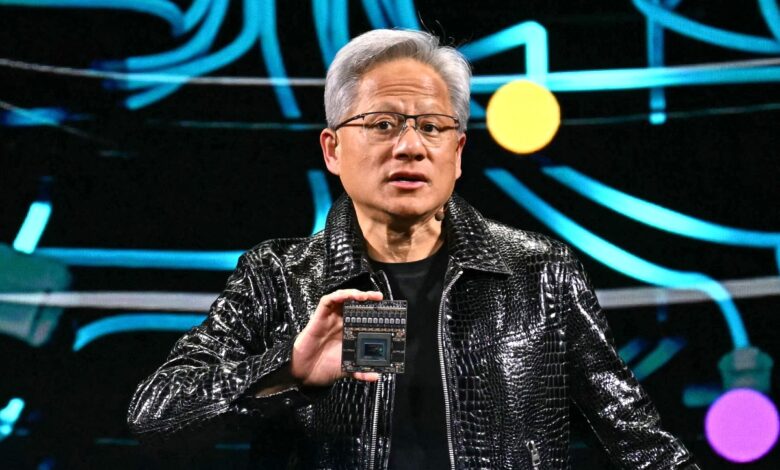
Jensen Huang, the CEO of Nvidia, has been an outspoken advocate for continuing the sale of AI chips to China, arguing against restricting access to this technology. However, recent revelations about his affair with a woman believed to be linked to Chinese intelligence could complicate this stance.
According to a report from a financial news outlet, Huang had a relationship with Alice Huang, a former executive at Megaspeed, which is one of Nvidia’s clients. In a memo sent to staff, Jensen Huang acknowledged the affair and expressed his remorse. U.S. intelligence agencies reportedly believe Alice Huang was tasked by Chinese operatives to extract sensitive information about the CEO and sway the company’s lobbying efforts for relaxed chip export regulations.
The company’s independent board members, along with external legal advisors, are currently investigating this situation, while lawmakers are already calling for transparency.
This controversy arises at a critical time for Nvidia. China has traditionally been a significant market for the firm, which has dwindled recently due to stringent U.S. export laws and an assertive initiative by China to develop domestic alternatives. In the latest quarter ending July 26, Nvidia reported revenues of $7.9 billion from its Chinese clientele, constituting approximately 8% of its total income.
Huang has consistently advocated for increased access to the Chinese market, successfully lobbying the U.S. government on multiple occasions. He met with then-President Donald Trump and his administration to discuss the matter, which led to the lifting of certain restrictions on Nvidia’s H20 chips, allowing the export of more advanced H200 chips.
On several occasions, Huang has openly criticized export controls, labeling them a “failure” during a conference last year and stating in May that fostering two separate AI ecosystems in the U.S. and China would be unwise. He has raised concerns that isolating Nvidia from China’s computing market would enable the country to develop its own competing AI technologies.
China is already taking steps in this direction. A recent report indicated that approximately 600,000 H200 chips are currently stored in Hong Kong, waiting for transportation to mainland China, as Beijing encourages domestic AI firms to source chips from local suppliers.
Skeptics might question whether Huang required any form of persuasion, particularly from a woman, to advocate for improved access to China, especially as his attempts to influence the government began prior to their alleged meeting at an Nvidia event in early 2024. Ultimately, Huang’s primary goal is to capture a dominant share of the global AI market.
Nonetheless, the allegations surrounding Alice Huang have the potential to cast a shadow over Nvidia’s business practices and may raise doubts about the company’s assurances regarding safeguarding sensitive technology from unauthorized access.
Once rumors of dubious relationships emerge, they can be difficult to dispel. Reports indicate that Secretary of State Marco Rubio cautioned Trump’s close advisors earlier this year about Huang’s connection to an alleged spy. Even if Nvidia’s internal investigation concludes that Huang did not disclose confidential information, the challenge remains: can he convince U.S. officials that Nvidia can conduct business responsibly with China?
Nvidia chose not to comment on this situation.