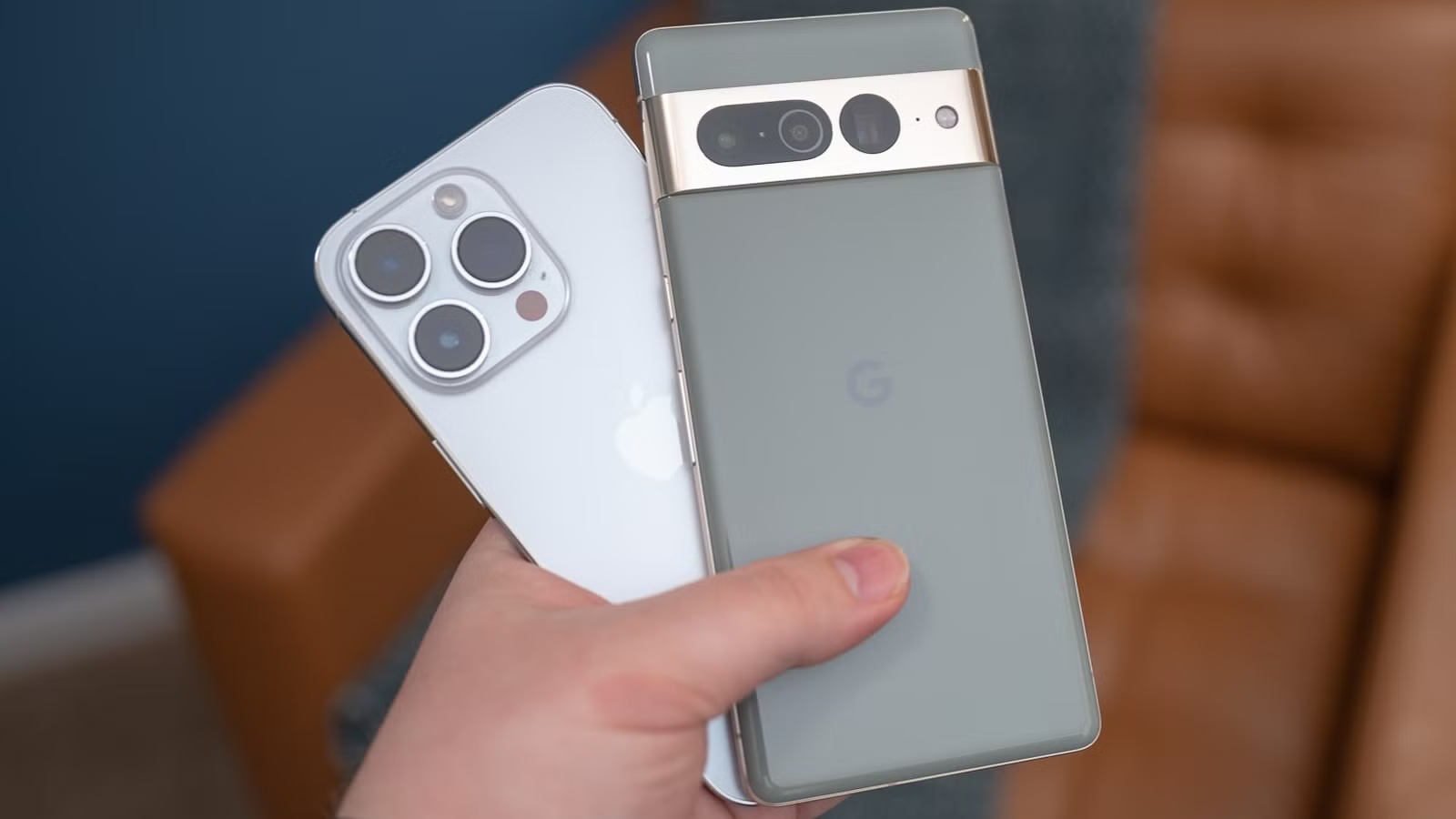
A new era of smartphone jailbreaking is emerging, potentially surpassing the jailbreaks of the past. This resurgence is fueled by growing consumer frustration with the increasing restrictions imposed by both iOS and Android, as well as concerns over privacy. Additionally, the availability of advanced large language models (LLMs) is expediting the process of discovering and utilizing software exploits.
Jailbreakers Experience a Surge of Excitement
Security Experts Showcase Future Possibilities
Credit: Calif.io
Recent weeks have witnessed a flurry of imaginative iOS jailbreaks, primarily from a white hat hacking group named Calif. If you’ve seen videos featuring the iPhone Duo’s animated home screen icons, you’re likely familiar with their work. Calif successfully jailbroke the iPhone Duo on its launch day and demonstrated a jailbreak that remained functional on the new iPhone 18, even in Lockdown Mode, just days later.
While none of Calif’s jailbreaks have been made public, alternatives like Dopamine 3.0 have gained significant popularity in 2026 due to their rootless designs and their adaptability to new iOS versions. Although iPhone jailbreaking never truly disappeared, recent developments have reignited interest in a way not seen for a decade, with Calif’s demonstrations indicating a rapid shift in the landscape.
Another noteworthy development is the partnership between GrapheneOS and Motorola. Although GrapheneOS isn’t a jailbreak, it aims to cater to users dissatisfied with the standard operating system. Motorola’s endorsement and official support for GrapheneOS highlight a substantial demand for alternatives to the prevailing restrictions and privacy concerns posed by major tech companies.
This raises the question: What might occur when these innovators can jailbreak devices much more rapidly than in the past?
AI Models Enhance Jailbreaking Efficiency
At the heart of jailbreaking lies exploitation, and LLMs excel at identifying such vulnerabilities. This motivation drove Calif to perform its highly-publicized day-one jailbreak of the iPhone Duo; the goal was to showcase how an expert team can swiftly utilize LLMs and modern tools to exploit system weaknesses.
It’s important to note that employing LLMs isn’t strictly necessary for jailbreaking, but they certainly streamline tedious tasks like penetration testing. Furthermore, AI can generate and validate code significantly faster than a human, allowing a functional exploit to be converted into a working jailbreak demo with relative ease.
While the knowledge and expertise of individuals or groups are essential, many AI models include safeguards to prevent misuse by malicious actors. Nevertheless, the community-driven jailbreaks from the 2010s indicate a persistent interest in this area, with known methods available to bypass AI restrictions.
Moreover, local AI models often operate with fewer ethical constraints than their cloud-based counterparts. As AI-optimized hardware gains traction, the anticipated jailbreak renaissance could be on the horizon. If not for current economic challenges and high hardware costs, this revival may already be unfolding.
Android Leadership Tightening Control
Some Companies Resist User Freedom
Despite the resurgence of jailbreaking, Android seems to be shifting away from user autonomy. Google is implementing stricter measures against sideloading apps, with upcoming Fire TV devices completely disallowing it. The drive towards adopting RCS has positioned Google Messages as the primary texting application in the U.S., effectively sidelining third-party SMS options, while the recent launch of Googlebook has drawn criticism for its restrictive software.
The gradual transformation of the Android ecosystem into a more restrictive environment resembles iOS. This transition is particularly perplexing given that leading Android manufacturers like Google, Samsung, and Amazon are heavily invested in developing AI technologies, which ironically aid enthusiasts in their jailbreaking efforts.
Apple has consistently sought to control the iOS experience, even labeling jailbreaking as illegal years ago. Although the company now refrains from extreme legal stances, its approach hasn’t significantly changed.
At least Apple remains steadfast in its principles, whereas Google appears to be distancing itself from the very characteristics that initially made Android appealing.
An Intriguing Future Ahead
Tech executives universally claim that AI will revolutionize our lives in the coming years. However, they do not address the potential drawbacks, including risks to critical infrastructure security or adverse social consequences.
More concerning is their tendency to overlook the immediate negative impacts of AI, such as job losses and the undermining of intellectual property rights. Yet, when a large corporation becomes a victim of AI misuse, they respond with urgency, as evidenced by Apple’s lawsuit against OpenAI for supposed trade secret theft.
The inevitability of AI-assisted jailbreaking and reverse engineering is now apparent, just as the effects of job automation were foreseen. How major companies like Google will react to the jailbreak resurgence they’ve inadvertently fostered remains to be seen. Will they resist, or will they adapt? Does the desire to control customers outweigh the evolution toward an AI-driven world?