How AI is Streamlining the Lives of Tech CEOs: But What About the Rest of Us?

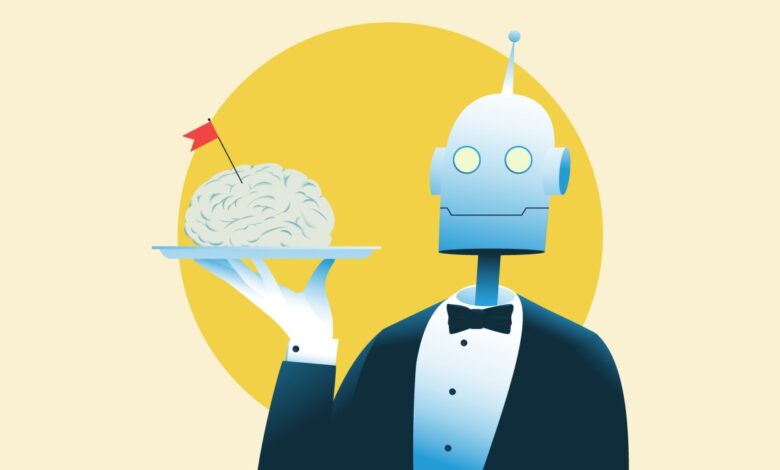
Marissa Mayer, CEO of Dazzle AI, has recently drawn criticism for comments that some view as out of touch regarding the role of artificial intelligence in everyday life.
Mayer’s remarks included seeking assistance from an AI tool for her daughter’s school project. OpenAI CEO Sam Altman has faced scrutiny for advising parents to create custom podcasts for their children during commutes and expressing that he couldn’t imagine parenting without ChatGPT. Similarly, Meta’s Mark Zuckerberg suggested that relying on AI for social and romantic fulfillment may become more standard.
These instances raised questions, particularly for TechCrunch’s Amanda Silberling, about whether tech leaders are disconnected from the realities of average users—an important concern as Anthropic prepares to become publicly traded amidst shifting Wall Street sentiments towards heavy investments in AI.
In a recent episode of the Equity podcast, Amanda, along with hosts Kirsten Korosec and Sean O’Kane, discussed the potential dissonance between industry leaders and consumer needs. Kirsten posed the question of whether the issue stems from marketing missteps or product design flaws.
Amanda suggested it could be both, noting the tech sector’s tendency to promote a future where meaningful human interactions are being gradually eliminated, and she lamented that authentic conversations amongst people likely contribute positively to society.
Anthony Ha: A growing societal wariness surrounds AI due to a perception that corporate leaders might not prioritize public interests and appear to be out of touch. They may want to reassess their messaging to avoid skepticism.
It appears that CEOs are walking a fine line: while they have strong incentives to advocate for integrating AI into daily routines, doing so can create an unappealing picture that feels almost dystopian.
Kirsten Korosec: If they followed that line of thinking, we might run out of things to discuss.
Nonetheless, there’s a widespread notion that AI tools like ChatGPT are intended to simplify personal relationships. Yet Amanda suggested that such tools often complicate simple interactions, like connecting with a child. This disconnect appears particularly significant among those who develop these technologies; their quotes can sound incredibly removed from everyday reality.
The core question remains: who precisely are these executives addressing? Is there a relatable audience out there?
Amanda Silberling: For instance, Whitney Wolf Herd, CEO of Bumble, recently suggested the possibility of AI concierges that would facilitate dating by having AIs connect on behalf of their users. Mayer’s idea of AI coordination between her and her husband’s digital assistants is another example. It sometimes seems as though the intention is to optimize human interaction away from authentic communication.
I’ve noticed this trend in my own life; for instance, when ordering food, it feels more comfortable to place an order online rather than speak to someone directly. This raises concerns about how basic human interaction may dwindle, and while I may appear old-fashioned, I assert that people connecting with each other is ultimately beneficial for society.
Sean O’Kane: But what’s the return on investment for real-life conversations, Amanda? How much revenue can you generate from in-person discussions?
Amanda: Dating can often be a cumbersome process, and it’s understandable why someone might consider letting AI handle it. However, there’s an inherent lack of humanity in doing so, plus you’re depending on a machine to make choices about who you engage with—something I find troubling.
Kirsten: It’s important to revisit the target audience for these innovations. Are these companies simply miscommunicating their value, or is there a fundamental issue with the product itself—in other words, are they optimizing the wrong aspects of human experience?
Amanda: I suspect it’s a mix of both. Many prominent figures in tech focus discussions on minor inconveniences, such as booking flights or dinner reservations. Although these are everyday issues, most people don’t frequently face challenges in these areas. The value that users derive from tools like ChatGPT doesn’t typically involve navigating these trivial tasks.
Anthony: I recall when companies like Uber initially targeted a niche market of tech-savvy young professionals who could afford premium services in urban areas. I doubted it would ever penetrate mainstream use. The tech industry often operates under the assumption that its vision of the future aligns with consumer needs, but this viewpoint seems increasingly misguided.
As society evolves, many are expressing discomfort with technology’s pervasive influence, resisting the notion that every aspect of life should be streamlined through optimization. People yearn for the autonomy to live their own lives and engage with their children directly.
Amanda: Perhaps it’s no coincidence that, amid excessive focus on optimization in tech, we’re also observing trends of individuals returning to simpler technologies—like flip phones or physical media—because they are weary of algorithms dictating their preferences. This cultural push-and-pull indicates that we are still wrestling to find the right balance between useful optimization and maintaining our humanity.