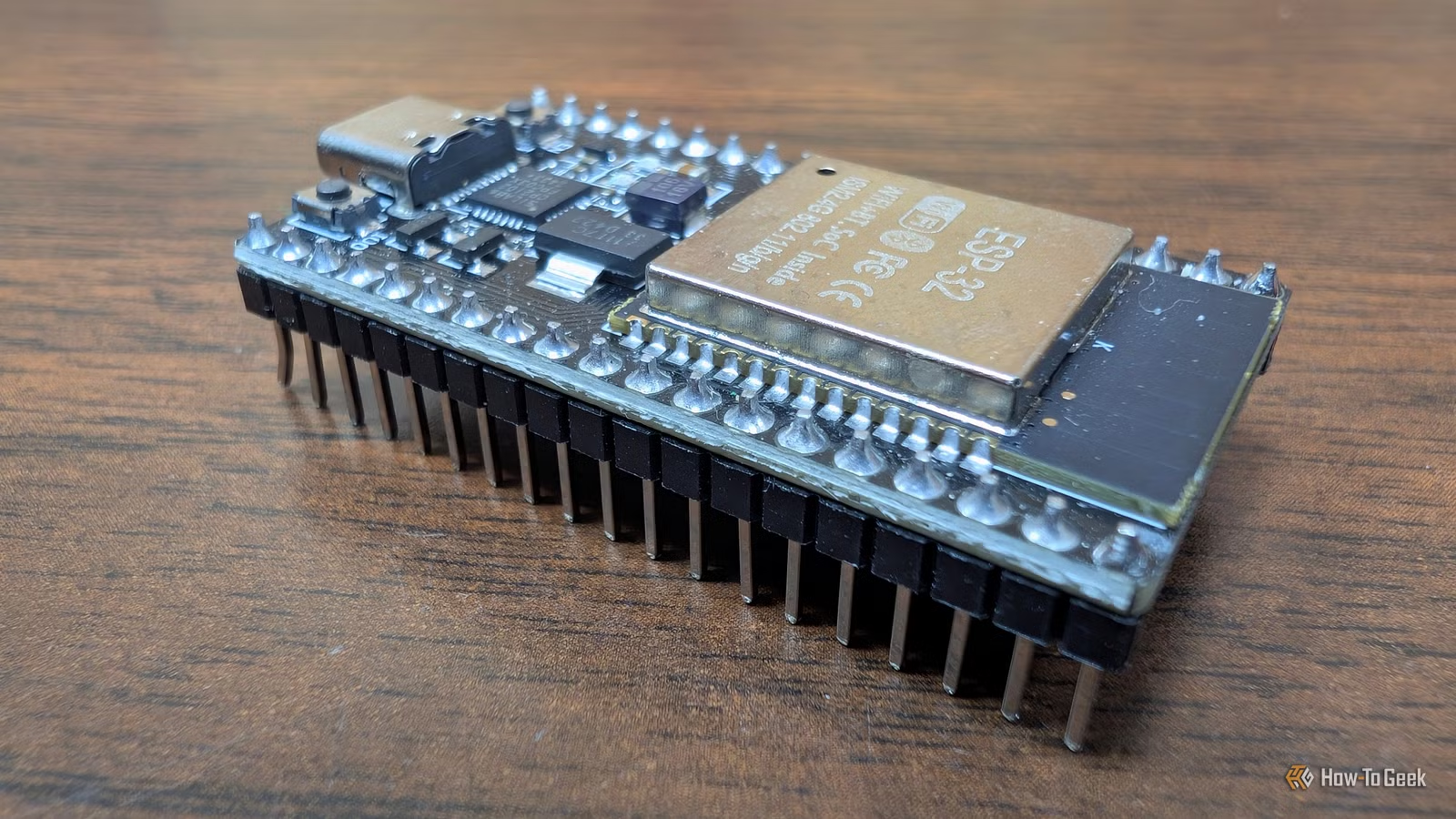
The ESP32 development board is an affordable option, typically available for just a few dollars, which makes it highly favored among enthusiasts for various DIY ventures, particularly in creating smart home devices. However, the initial cost of the ESP32 doesn’t reveal the complete financial picture, as there are often hidden expenses that should be considered.
Power Requirements
An ESP32 Requires Power to Function
The ESP32 board cannot operate independently; it requires a power source. To get started, you’ll need a power adapter and a USB cable. Initially, I found plenty of old adapters and cables for my first ESP32 boards set up as Bluetooth proxies. However, as I expanded my collection, it became challenging to maintain enough power sources.
Eventually, I utilized all my spare cables and adapters, which means each new ESP32 purchase now necessitates an additional power accessory. It’s also crucial to check the type of USB connector your specific ESP32 requires, as some older models use Micro-USB while newer ones feature USB-C.
Sensors for Enhanced Functionality
Limitations of the ESP32
The ESP32 can perform some tasks without extra hardware. For instance, my early projects involved using its built-in Wi-Fi and Bluetooth for functions like acting as a Bluetooth proxy, which didn’t require additional components aside from power-related accessories.
However, for many other ESP32 applications, additional sensors and components are essential. While some sensors can be quite affordable, others may significantly increase your overall expenses. For example, I purchased inexpensive soil moisture sensors to alert me when my plants need watering. While these sensors were cheap, creating a reliable air quality monitor could involve much pricier sensors that overshadow the cost of the ESP32 itself.
Connecting Components
Essential Additional Equipment
Purchasing an ESP32 board along with a sensor isn’t sufficient for building a complete device. You also need various connections. For instance, the soil moisture sensors I bought required jumper wires to link them to the ESP32’s pins.
A breadboard makes it easier to develop ESP32 devices without soldering, allowing for rapid experimentation. With a breadboard, you can insert wires from sensors directly into its holes and connect it to the ESP32 for testing. While the costs for breadboards and wires are minimal, they can easily be overlooked, potentially increasing the total cost of your project.
Protecting Your Setup
Why Enclosures Matter
ESP32 boards may be functional but aren’t visually appealing. I still have some unprotected boards scattered across my house, which bothers my family due to exposed power cables. Moreover, leaving bare boards unsecured can risk accidental damage, so safeguarding them in enclosures is advisable.
If you own a 3D printer, creating custom cases for your projects is a possibility, though the filament cost should also be considered. Alternatively, you can purchase project boxes to protect your boards. Lastly, think about the need for additional hardware like screws, brackets, and adhesive strips to mount or stabilize your devices; although these costs are small, they accumulate over time.
Soldering Might Be Necessary
A common barrier to experimentation with ESP32 boards is the fear of needing to solder, which can seem daunting for beginners. However, numerous ESP32 projects can be completed without soldering.
As you progress, you may find that some projects do require soldering skills. While it may appear intimidating, soldering is a valuable ability to acquire. If you take the plunge, you will need to invest in a soldering iron and related accessories, which could significantly increase your total costs.
Understanding Total Project Costs
ESP32 boards are budget-friendly components that are ideal for a variety of projects. However, it’s worth noting that the initial price is often just a fraction of the overall investment required for your project. Always factor in additional expenses to have a clear picture before starting.