Windows is synonymous with Microsoft, but the evolution of the personal computer experience has been significantly influenced by independent developers. Over time, various applications have transformed how users browse the internet, enjoy music, view videos, engage in gaming, and interact with Windows itself. Five standout applications made profound impacts, shaping user expectations and experiences beyond the operating system itself.
Mozilla Firefox
A true competitor for Internet Explorer
When Mozilla Firefox 1.0 launched in 2004, Internet Explorer was the dominant web browser. However, Firefox quickly became a vital alternative, challenging Microsoft’s belief that users would remain loyal to its default browser. As Firefox gained traction, analysts started to note a decline in Internet Explorer’s market share. Firefox’s introduction of features like tabbed browsing and built-in pop-up blocking provided compelling reasons for users to switch.
Firefox revitalized competition in the browser market, offering Windows users a legitimate alternative to Internet Explorer, which could no longer take its dominance for granted. It restored the expectation that any Windows user could choose their browser, rather than sticking with what came pre-installed.
Winamp
Transforming the music player into a vibrant experience
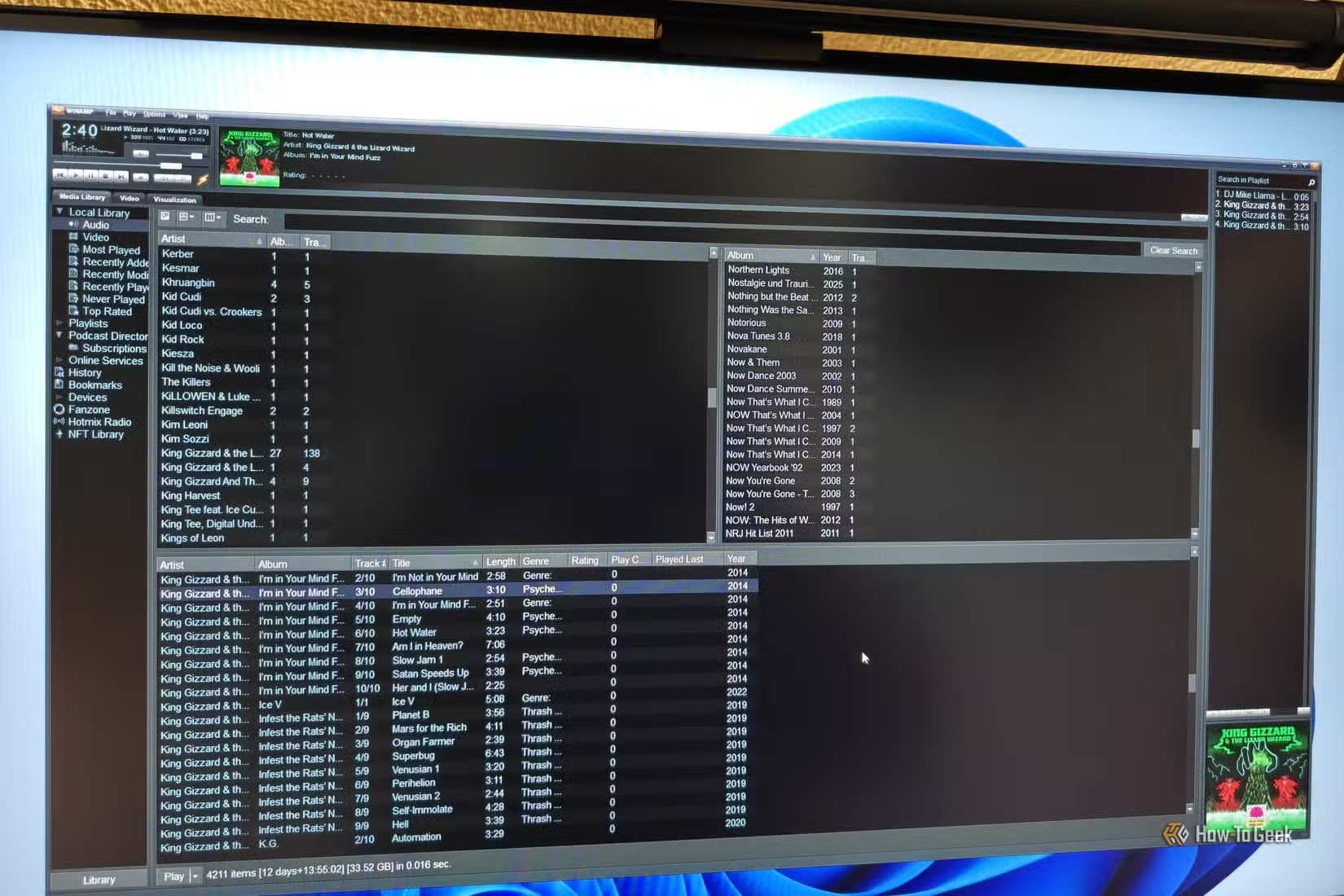
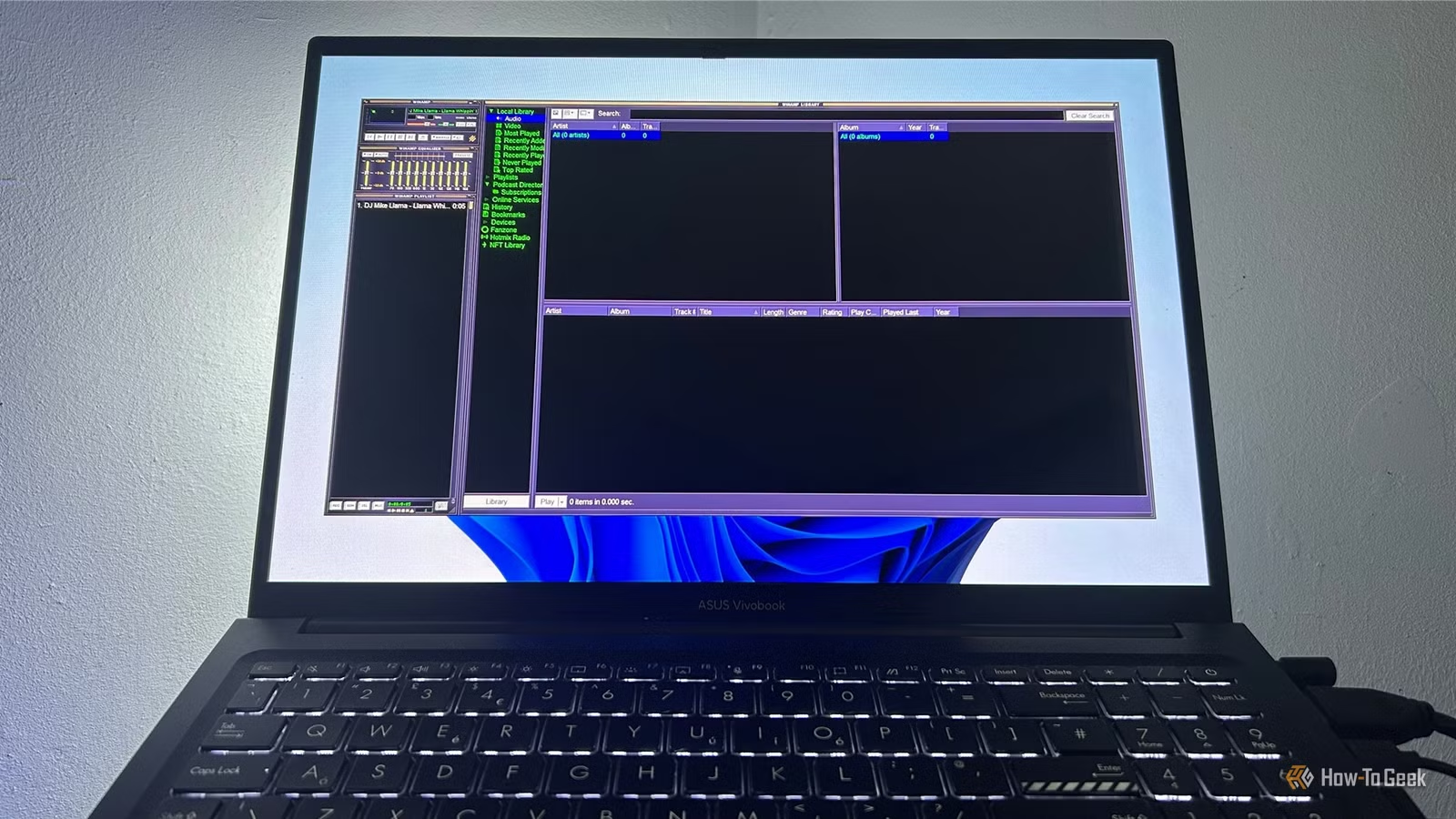
In an era where music was largely stored on PCs, Winamp emerged as the premier player. Launched in 1997, it coincided perfectly with the rise of MP3 files, allowing users to create playlists, manage music libraries, and customize the interface. Winamp fostered a distinctive culture that influenced how people interacted with their music.
Recognizing its popularity, Microsoft included a tool in its Windows Media Player 7 to import Winamp skins in 2000. This underscored the trend of personalizing one’s music experience, which Winamp had popularized, making customization a typical part of using software.
The video player that defined ease of use

Windows’ default media player often struggled with various video formats, necessitating additional codecs for support. Enter VLC Media Player.
Originating from a university project in Paris, VLC became a free player that supported a vast array of formats, subtitles, and streaming capabilities. After its open-source launch in 2001, it became a preferred choice for users encountering format issues. By 2021, VLC had amassed over 3.5 billion downloads, establishing a straightforward user expectation: double-click a video file, and it should play without hassle.
Steam
From an update tool to a centralized gaming platform
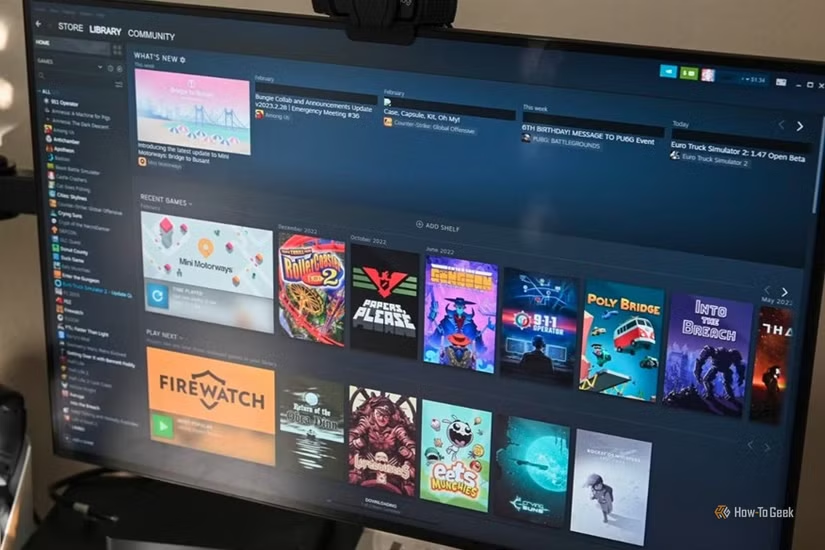
Steam has become an integral part of PC gaming, but its initial role was vastly different. Launched in 2002, Valve positioned Steam as a platform for software updates and patch management, rather than primarily as a game storefront. Initially perceived as an inconvenience, especially during the launch of Half-Life 2 in 2004, Steam gradually evolved to include features like game libraries, community forums, achievements, and cloud functionalities. By 2008, Steam had over 15 million accounts, revolutionizing expectations for centralized gaming experiences.
Classic Shell
Seeking refuge after the Windows 8 overhaul
Classic Shell epitomized a significant moment in Windows history with its launch by Ivo Beltchev in 2009, aimed at reinstating familiar features from earlier Windows versions just as Windows 8 was introduced. This redesign simplified navigation but alienated many users who preferred traditional desktop setups.
Classic Shell allowed users to reclaim familiar Start-menu layouts and other interface tweaks, becoming a popular solution for those adjusting to the changes in Windows 8. Though Microsoft reintroduced the Start button and menu in later versions, Classic Shell demonstrated a desire among users to customize their Windows experience. Even following its discontinuation in 2017, its legacy continues through Open-Shell, which supports similar functionality in recent Windows iterations.
Enduring Influence
These applications, while not originally part of Windows, ultimately shaped the user experience. Firefox revitalized browser competition, Winamp popularized software personalization, VLC ensured effortless compatibility, Steam established a centralized hub for gamers, and Classic Shell empowered users to tailor their Windows experience. While Microsoft built the operating system, these applications helped define what users expect from it.