Ditching Smart Appliances: My Journey to Create Custom Home Assistant Automations

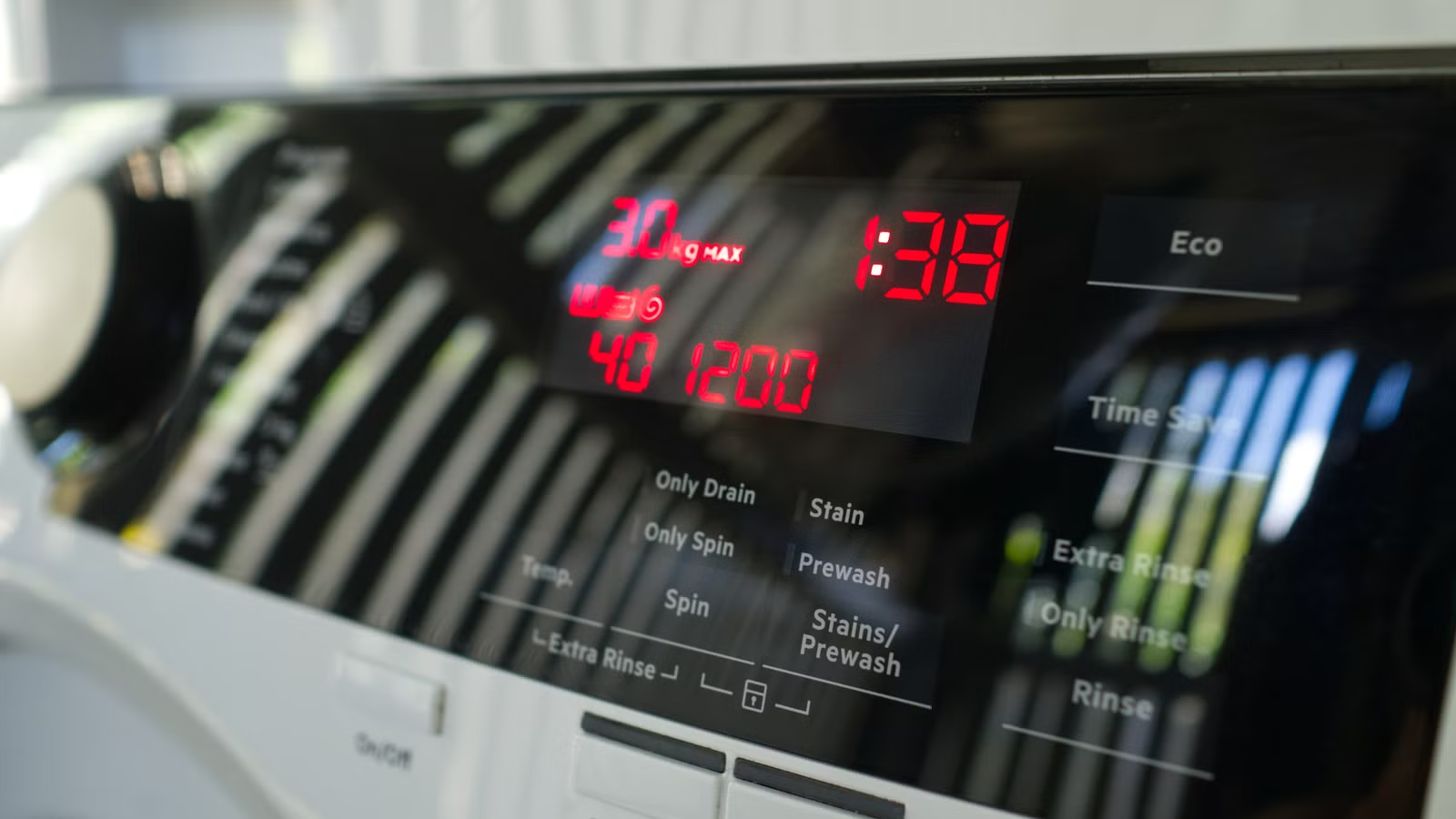
Home appliances priced excessively yet lacking in genuine smart features can be quite frustrating. I would never opt to replace a fully operational refrigerator or dishwasher just to gain access to limited smart capabilities. For me, performance and value outweigh unnecessary features that may lead to complications in the future.
My perspective is backed by the experience of creating my own automations to enhance traditional appliances, making them smarter and more functional through Home Assistant.
Challenges of Smart Home Appliances
Limited Support for Home Assistant
Credit: Samsung
Smart features are increasingly being incorporated into various home appliances such as refrigerators, washing machines, dryers, and dishwashers, which typically require Wi-Fi connectivity during setup.
This is where the issues arise. Not only are we dealing with potentially unhelpful functionalities, but we are also connecting these appliances to the internet. Without proper management of your home network, linking your refrigerator can expose it to the broader online landscape.
Restricting internet access for these devices often renders them ineffective. Moreover, the trend towards cloud reliance means many of these appliances lack local smart capabilities altogether.
Using proprietary apps may appear more user-friendly, requiring communication through remote servers. However, enthusiasts of platforms like Home Assistant represent a smaller demographic that may struggle with these applications.
While researching dishwasher options, I encountered Bosch’s Home Connect service. Despite being known for producing top-quality dishwashers, their integration with Home Assistant relies on an internet connection through the official API.
Smart refrigerators take it a step further, particularly models with integrated tablets on their doors. For instance, Samsung’s smart fridges introduce advertising features, a concerning consequence of their internet connectivity. This situation raises serious privacy concerns regarding appliances capable of sending and receiving data.
Using Smart Plugs for Notifications
Certain appliances with specific cycles, such as washing machines, offer clear advantages when enhanced with smart technology, particularly in terms of notifications. Receiving a message when your load is complete proves invaluable, especially if you’ve previously left laundry in the machine too long.
This can be achieved affordably with an energy-monitoring smart plug, which works with virtually any appliance, regardless of age. Priced around $10, it triggers an automation upon detecting current changes, notifying you when the machine finishes its cycle.
I utilized a Home Assistant blueprint to facilitate this process, eliminating the need for personal design work. Additionally, attaching a contact sensor can enhance functionality, sending repeated notifications until you open the machine’s door to indicate it has been emptied.
Monitoring Always-On Appliances
Is Your Refrigerator Running?
The same smart plug technique can be applied to appliances that are always on, allowing for alerts about any potential issues. This straightforward automation can be easily created, starting with the current power consumption of your refrigerator or freezer during normal operation.
You can design an alert that activates if the appliance’s energy usage drops below expected levels, enabling Home Assistant to monitor for early signs of malfunction.
Being alerted about potential failures can help you prevent losing a fridge full of food due to unexpected outages.
Invest in your home’s efficiency by skipping unnecessary smart features in favor of Home Assistant. With its user-friendly updates, there’s now a compelling argument to explore this platform for smarter home management.