A Silver Lining in the Data Center Surge: Driving Innovation for the U.S. Power Grid

The surge in artificial intelligence has triggered a significant increase in energy consumption nationwide, prompting critics to express concerns about the strain this places on the aging electrical grid. There is fear that in the near future, this demand spike could lead to higher electricity costs, and potentially result in outages or other technical complications down the line.
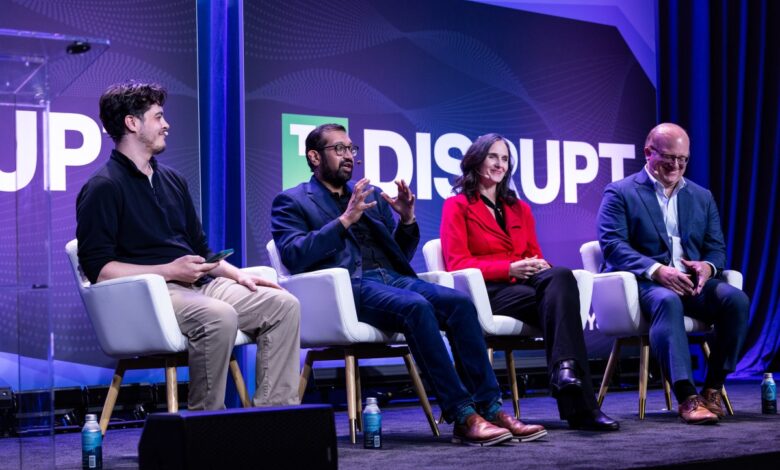
At the recent TechCrunch Disrupt event, experts in the field provided a more optimistic perspective, suggesting that the influx of new energy demands could pave the way for grid advancements. Industry leaders such as Apoorv Bhargava from WeaveGrid, Tim Heidel of Veir, and Kristin Eberhard from Rewiring America acknowledged the challenges posed by the modern grid but emphasized the opportunities that come with them.
“We are experiencing a markedly different electric grid,” Bhargava noted. “There are numerous new factors to consider, such as renewable energy sources and increased loads from electric vehicles, data centers, and heat pumps. Utilities are now tasked with effectively managing and coordinating these dynamics.”
As the growing number of connections intensifies the strain on the grid, Bhargava’s company aims to offer load management solutions that allow utilities to harness the current system more effectively. His software is designed to help organizations distribute energy efficiently and optimize connections, potentially leading to lower costs for utility consumers.
Meanwhile, Heidel heads a company dedicated to enhancing the physical infrastructure of the electrical grid while improving its efficiency. Veir produces superconductive power lines that are reported to transfer energy significantly more efficiently than traditional cables. These innovative cables can transmit electricity five times farther and require only a fraction of the space, a claim supported by the company. Recently, Veir secured $110 million in a Series C funding round.
“The level of investment in AI infrastructure is spurring tremendous innovation,” stated Heidel. “A variety of new technologies are emerging and scaling that, when combined, can transform data centers into better, more responsible community partners.”
He stressed the importance of rapidly adopting new technologies to facilitate this next phase of growth.
Eberhard, who promotes the electrification of homes, mentioned that the rising energy demands from data centers have amplified the urgency for modernization. This situation has also fostered a climate of experimentation within various industries.
“We are in an era defined by improvisation,” Eberhard remarked. “There’s a collaborative spirit—yes, we require more transmission lines, yes, we need additional centralized power plants, and we must also capitalize on the various opportunities that we overlooked previously due to a lack of urgency surrounding AI energy demands.”