Warhound Secures $200M to Develop Advanced Canine Warriors Equipped with Anduril Technology

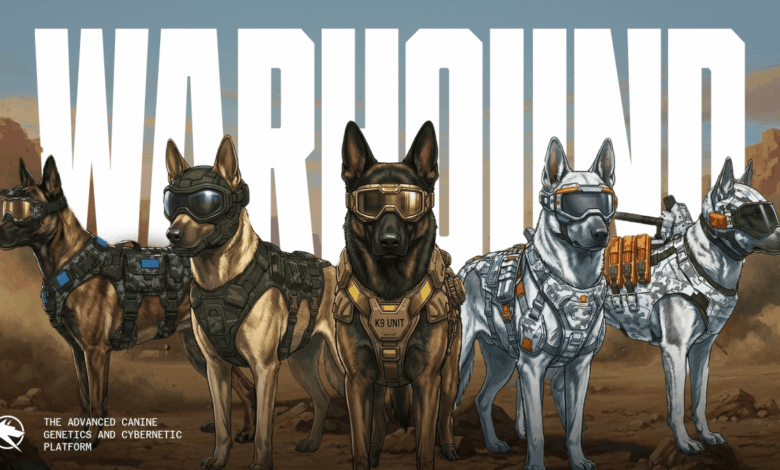
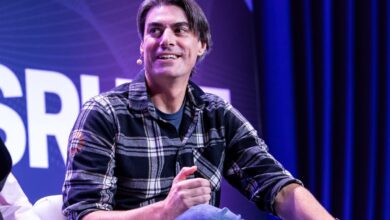
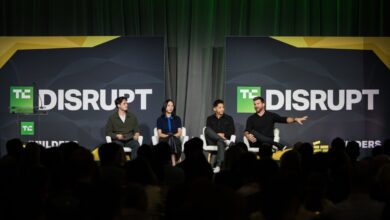
Ben Lamm of Colossal Biosciences and Palmer Luckey from Anduril have unveiled a proposal to genetically modify canines for military, law enforcement, and emergency response use. This initiative, named Warhound, has garnered $200 million in investment from notable firms, setting the company’s valuation at $1.2 billion.
The planned dogs, which are yet to be created, will undertake risky or complex tasks currently handled by humans or machines, such as detecting explosives and conducting specialized missions. In their launch, Warhound pointed out that over 80% of the U.S. military’s canine units are sourced from Europe, with less than half deemed suitable for service.
This situation highlights a declining availability of working dogs, making the U.S. increasingly dependent on international sources for these essential military and law enforcement animals. Warhound’s objective is to rectify this issue by utilizing advanced technology to breed dogs with attributes tailored for rigorous assignments, according to the company’s announcement.
Lamm shared with TechCrunch that his collaboration with Luckey began a year ago at a conference where they discussed the need for better support for military working dogs. Lamm’s subsequent research into breeding revealed that many dogs fail to complete training due to genetic issues such as poor eyesight, cancer risks, hip dysplasia, or muscle atrophy.
Believing that enhancements could optimize health, lifespan, speed, agility, and olfactory capabilities for bomb detection, Lamm’s team analyzed high-performing breeds like Belgian Malinois and German Shepherds. They collected cell lines from these breeds to create a biobank, where they plan to modify genes—enhancing attributes and eliminating detrimental ones—to develop a new type of dog.
Anduril will contribute hardware and software solutions, including protective gear and sensors to boost situational awareness for the dogs and their handlers. For example, envision vests equipped with data collection devices that relay real-time information to handlers for improved operational insights.
Lamm emphasized that the goal is to increase the dogs’ safety and health for better performance during duties. He noted that the technological enhancements would not only benefit the dogs but also the humans overseeing them.
Although Luckey is a partner in this venture, he does not hold any equity, with Lamm clarifying that Colossal retains ownership and provides technology through licensing.
Colossal has garnered attention for its efforts in de-extinction, working to bring back species like the dodo and mammoth. Lamm explained that advanced technologies, including AI, are being leveraged to assist in cloning and gene identification.
The initial group of dogs is close to being cloned and is expected to be born early next year, with operational service projected to start within two years. Viagen, a company under Colossal, will collaborate with Warhound on the cloning process, known for its high success rates in cloning endangered species.
Warhound has not yet determined pricing for the dogs but aims to supply them to first responders, the Department of Defense, and law enforcement agencies. In terms of regulatory approval, Lamm noted that the company has already engaged with various government entities regarding the initiative.
Regarding civilian safety with these genetically enhanced dogs, Lamm assured that each dog will undergo training like any typical military working dog, with oversight by those purchasing the animals.
The company is collaborating with the American Humane Society to ensure its training programs for the new dogs meet certification standards. It is also hoped that once retired, these military dogs will be integrated into the Society’s Military Working Dog Reunification Program, which seeks homes for retired service dogs or other supportive programs run by the Society.