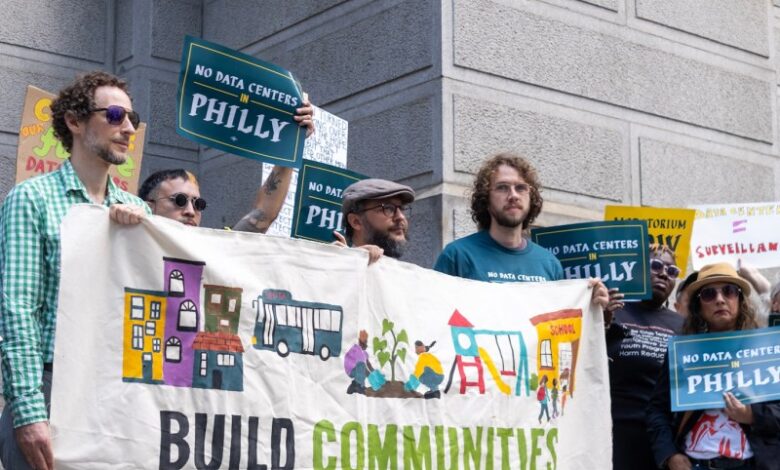
Amazon has decided to discontinue the use of nondisclosure agreements (NDAs) during negotiations with local authorities concerning data centers, following a path previously taken by Microsoft.
In a recent episode of the TechCrunch Equity podcast, hosts Sean O’Kane and Rebeccan Bellan shared insights about Amazon’s announcement, which emerged within a comprehensive blog post arguing that data centers can be beneficial for local communities.
Rebecca expressed her doubts about the long-term impact of the recent data center moratoriums, pointing out that they are temporary—typically lasting one or two years—and that many of these facilities won’t become operational for several years. In contrast, I noted that advocates for data centers appear to be genuinely concerned about these developments.
Sean mentioned that a significant factor contributing to the backlash is the industry’s inadequate communication. He stated, “The tech sector struggles to articulate its value, leading to public frustration as many find it difficult to see how these technologies will benefit them.”
Here’s a summary of our edited conversation.
Sean O’Kane: It’s notable that this announcement was somewhat hidden in a broader narrative that Amazon is trying to construct. I understand why they chose to downplay it, but I believe it underscores many challenges the tech industry faces today, particularly regarding AI and data centers.
There’s ongoing debate about the potential impact of data centers on local property values, electricity rates, and water consumption. The legitimacy of these concerns is often clouded by the secrecy surrounding project negotiations; sometimes, the public may know a data center is being planned but remains unaware of who will actually utilize it.
This issue has persisted within the tech industry for years. I recall the rapid expansion of Uber in the mid-2010s, where they frequently engaged in secret negotiations with local governments. There was a case in a city near Orlando where Uber sought tax incentives for promoting public transit options post-Uber rides, but the discussions were conducted without transparency, resulting in a sense of unease about their growing demands.
There’s a need for greater transparency, and I welcome Amazon’s decision. It remains to be seen whether this change will yield positive outcomes; however, the current sentiments within communities are quite resistant.
Rebecca Bellan: I’m interested in how this move will affect local communities and whether it will enable them to successfully challenge or halt necessary infrastructure projects. From conversations with industry professionals, many of the recently implemented moratoriums—including one in San Francisco—are only temporary, spanning one to two years. However, the construction of these data centers will be delayed for several years due to various challenges like zoning and funding. It raises the question of how much influence this political pushback will truly have.
Anthony Ha: The moratorium I’m most aware of is the one in New York, set for a year, focusing on large project permits until the state completes an environmental review. Nevertheless, there’s some flexibility within that timeline. Often, these moratoriums are positioned as a pause for further study rather than outright opposition to data centers, which means they could ultimately deem them favorable later on.
However, it’s evident that data center developers are feeling anxious, as seen by the fervent responses from figures like Trump. The duration and depth of community resistance remain uncertain, but the concern is palpable.
It’s also important to note that earlier this year, Microsoft made a similar declaration regarding the elimination of NDAs. While dropping NDAs won’t automatically convert skeptics into supporters, it’s a necessary step toward transparency, addressing the fundamental issue of secrecy that often clouds these discussions.
Sean: A major underlying issue here is communication. This challenge spans the tech industry but is more pronounced today, as companies increasingly bypass traditional media channels. While we in the media continue to affirm our relevance, the tech sector has struggled to clearly present its value to the public, leading to a lack of understanding about how these technologies can be beneficial. Significant hurdles exist, not just in technological capability, but also in effective communication.
I wrote recently about Tesla’s mission journey over the past year, transitioning from “sustainable abundance” to “amazing abundance.” It’s surprising that after a year, there’s still no clear definition, especially since their initial communication, which included a detailed PDF, received criticism for its vagueness.
Anthony: This situation has prompted me to consider the broader narrative about technology. For a while, there was a nearly overpowering message that an AI-driven future was unavoidable, suggesting that resistance was futile. Although advancements continue, several obstacles have arisen, leading to a realization that companies must justify their future visions rather than insist on their inevitability.
The lack of clear definitions for concepts like “abundance” from companies like Tesla reflects a larger trend regarding our relationship with technology. It seems increasingly focused on societal transformation rather than merely selling products, shaping the narratives that resonate with devoted followers of figures like Elon Musk.