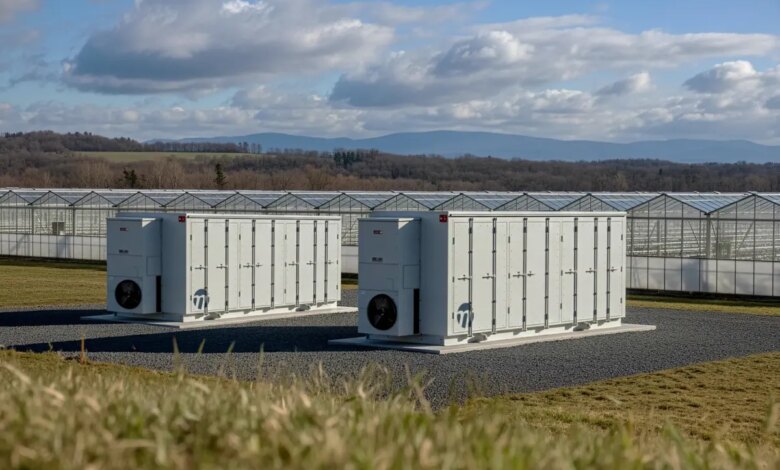
According to a recent report by Wood Mackenzie, the cost of battery storage has fallen below that of certain natural gas power plants that many data center developers prefer.
In a comprehensive survey covering all continents and 43 different markets, the report revealed that batteries with a four-hour duration are now more affordable than open-cycle gas turbines. The consultancy anticipates that battery electricity costs will keep dropping, while the expenses associated with gas power will likely rise in the coming years.
This report arrives amid ongoing increases in energy prices in the United States and globally, contributing to inflation as demand for electricity from data centers surges. The rising costs of gas turbines have been exacerbated by AI-driven data center developers acquiring whatever models are available. Open-cycle gas turbines, although more common and easier to source, are less efficient and more costly to operate, leading to greater price pressures.
Utilities typically use these gas turbines for peaking power, stepping in to produce electricity during periods of high demand. As their prices increase, it can also elevate costs for utility companies.
While open-cycle turbines are easier to manufacture compared to closed-cycle ones, they still require two to four years for procurement. The wait times for closed-cycle turbines are extending into the early 2030s. This backlog is causing a rise in prices for new natural gas power facilities.
However, this situation does not apply to all forms of energy generation. Solar power remains the most affordable new energy source across all markets surveyed by Wood Mackenzie.
Even though solar power remains the cheapest option in North America, the landscape is complicated there. According to the report, solar prices face pressure from tariffs and import restrictions; however, utility-scale solar is likely to perform better. Notably, 168 gigawatts of capacity is insulated from immediate price fluctuations due to safe-harbor provisions in recent legislation, which maintains tax credits for projects that have either commenced construction or are set to finish by the end of 2027.
Looking ahead, the U.S. natural gas market is expected to diminish over the next decade. In the Middle East and Africa, four-hour battery costs are projected to be 33% lower by 2035, effectively making them more cost-effective than gas peaking options in the region. In comparison, energy storage costs in China are already 55% lower than in neighboring countries.
Ahmed Jameel Abdullah, a principal analyst at Wood Mackenzie, emphasized the significance of this economic shift, stating, “This economic shift is decisive and widening.”