The Unmatched Feature of the Pixel 11 Pro That Sets It Apart from All Other Android Phones

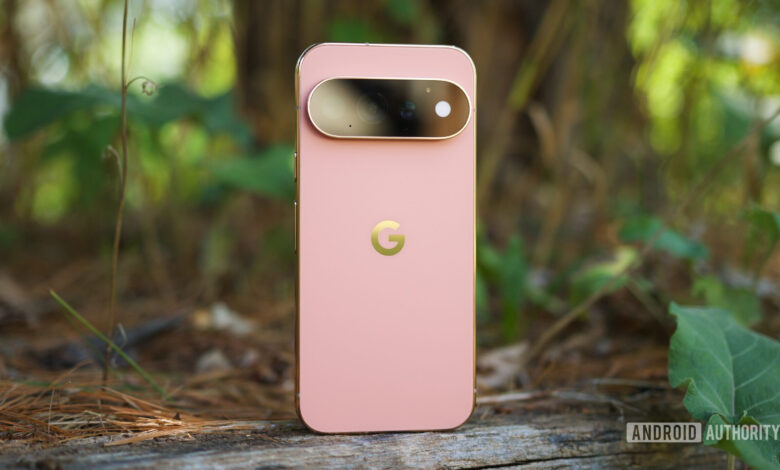
Photo by Joe Maring
Follow us for updates.
I’ve been using the Pixel 11 Pro, Google’s flagship Android device, for over a month, and I’m thoroughly impressed with its outstanding features like the top-notch cameras, elegant design, and user-friendly software.
While I highlighted many aspects in my review, I didn’t touch upon a crucial feature: Face Unlock. Since the launch of the Pixel 8 Pro nearly three years ago, Google has implemented Face Unlock in all its Pixel devices.
Face Unlock: A Standout Feature of the Pixel 11 Pro
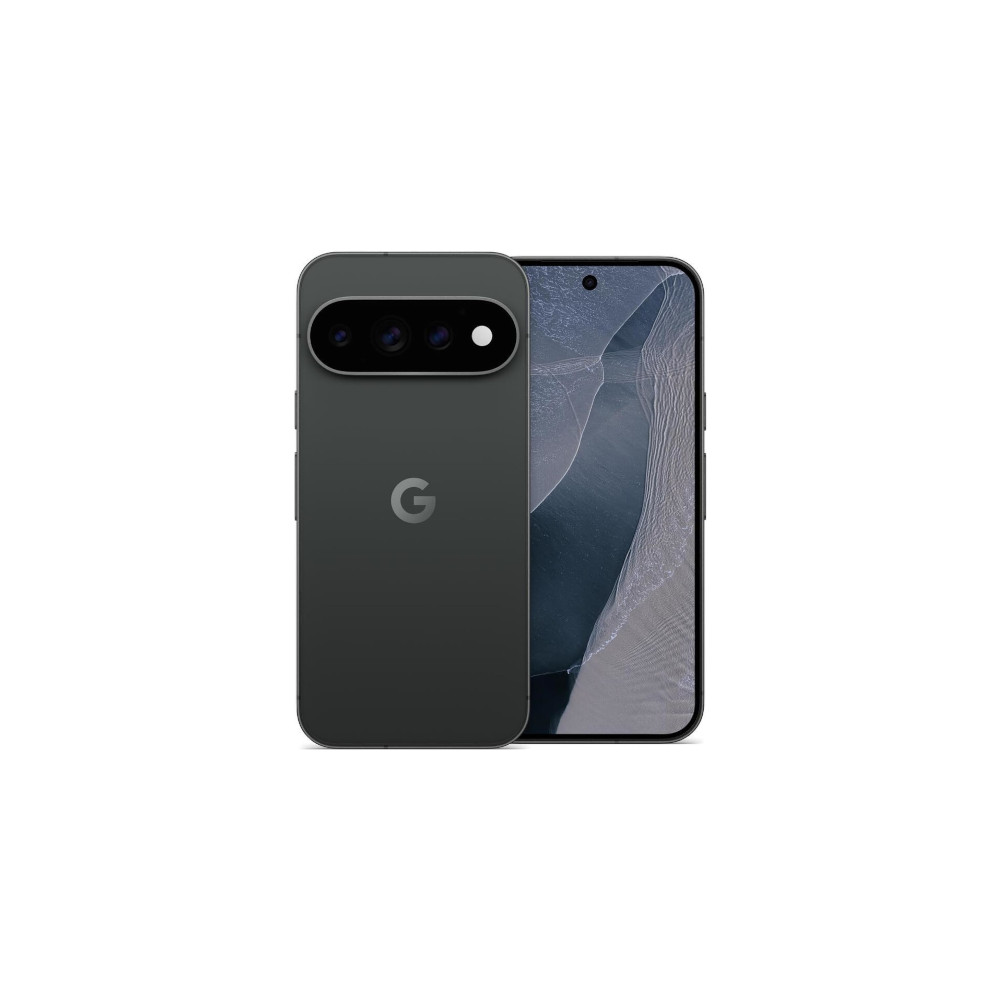
Photo by Joe Maring
With the release of the Pixel 8 Pro and its base model in 2023, Google introduced two secure biometric unlock methods: an in-display fingerprint sensor and an improved Face Unlock.
While many Android devices offer face unlock, the Pixel’s implementation is unique. For instance, Face Unlock on devices from brands like Samsung and Motorola is limited to unlocking the home screen, while the Pixel’s version is fortified by Google’s Tensor chip, allowing access to sensitive apps and secure payments.
This technology has remained largely unchanged since the Pixel 8 series debuted, yet I find joy in using Face Unlock every time.
Photo by Joe Maring
I’m not against fingerprint sensors, and the one on the Pixel 11 Pro works excellently. However, having the flexibility to choose between it and a fully functional face unlock system is incredibly convenient. When I’m holding the phone, using the fingerprint sensor feels natural; but when it’s on a flat surface, simply glancing at the phone for unlock is the way to go.
Sometimes I prefer the fingerprint sensor, while other times, Face Unlock is more appealing. It’s not about one being superior to the other; rather, each has its advantages for different scenarios. The dual options on the Pixel 11 Pro enhance my daily experience, making it a unique offering among major Android brands in the market.
Though it might seem minor, Google’s Face Unlock is one of the many reasons I lean towards Pixel devices over other Android phones. Once accustomed to it, it’s a quality-of-life feature that’s hard to forego, and it remains just as delightful now as it was at its launch.
More Android Brands Should Emulate This, Though They Likely Won’t
Photo by Joe Maring
You might think that other Android manufacturers would want to adopt Google’s Face Unlock approach, especially given that it has been around for three years. Yet as of September 2026, Google is still the only brand in the U.S. and elsewhere with this feature.
The reason? Despite criticism of Google’s Tensor chipsets, Face Unlock relies entirely on them. Instead of using specialized hardware for facial recognition, Google’s Face Unlock utilizes a regular front-facing camera combined with machine learning models optimized for its Tensor chips. Competing brands like Samsung and Motorola would need to dedicate extensive resources to develop similar functions compatible with their conventional Qualcomm and MediaTek chips.
While Google’s Tensor chips might not win in performance tests, they facilitate impressive features like Face Unlock. For me, that trade-off is absolutely justified.

Google Pixel 11 Pro
Exceptional cameras • 7 years of Android updates • Built-in Qi 2.2 magnets
The Pixel 11 Pro embodies the pinnacle of Google smartphones in 2026, showcasing a polished design, impressive daily performance, remarkable cameras, and unrivaled software features that make it difficult not to appreciate.
Thank you for being a part of our community. Please review our guidelines before commenting.