Meta’s new AI assistant, Muse, is quickly becoming a significant focus for the company, demonstrating their commitment to consumer AI innovation.
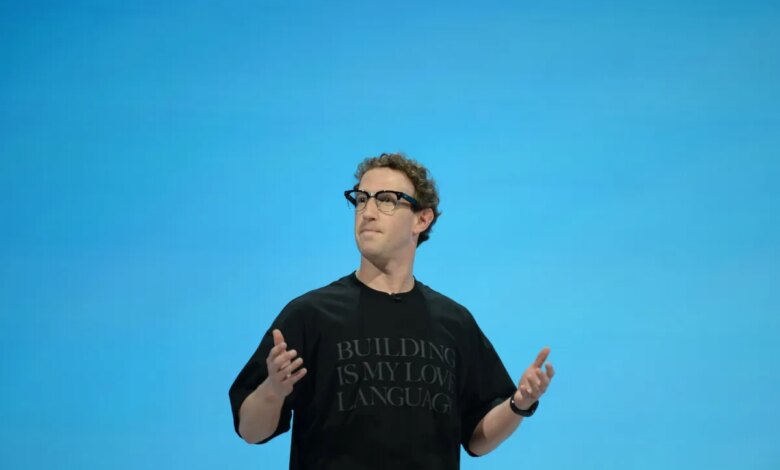
During the annual Connect event in Menlo Park, CEO Mark Zuckerberg emphasized Meta’s deep investment in Muse, which was launched just weeks ago.
Muse, represented by a digital avatar named Jolly, is crafted to assist users with daily tasks by integrating with various applications, such as emails and calendars. At the event, Zuckerberg unveiled several features designed to enhance Muse’s functionality, making it a central part of users’ lives, including support for Meta’s AI glasses.
Since its introduction in early September, Muse has been designed to work across multiple devices and accounts. It utilizes Muse Spark, Meta’s AI framework for versatile tasks, and is promoted as a more user-friendly option compared to other AI assistants—allowing users to streamline their daily tasks effectively.
Zuckerberg stated, “Muse is the cornerstone of our future plans,” underscoring his belief that in the coming years, Muse could evolve into a vital tool for individuals to achieve their aspirations and enhance their lives.
Zuckerberg also mentioned the potential for Muse to generate income for users, and in turn, for Meta as well.
“We’re offering Muse at no cost for a significant number of tasks, expecting to monetize through small transaction fees over time,” he explained.
Here are some standout features and enhancements that were discussed…
Muse Introduces a Digital Avatar
A particularly exciting feature is that soon, Muse users will have the ability to create a unique digital avatar for personal interactions, including real-time video chats. A new AI model, dubbed Muse Realtime Avatar, powers this capability, as revealed during the event.
This development gives a personality to Muse’s AI, allowing for live conversations where users can assign tasks or pose questions, adding a more human-like touch.
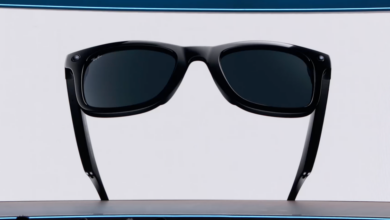
Additionally, Muse will be integrated into Meta’s line of smart glasses, enabling users to communicate with their AI simply by speaking. The assistant can be activated with a wake word and has the capability to assist with workouts, manage meal logging, schedule appointments, and facilitate online purchases.
Muse is designed to operate in the background, providing updates upon task completion.
Although there’s no specific launch date for these features, Meta indicates they should be rolled out in the upcoming months.
Muse Will Soon Manage Your Mac
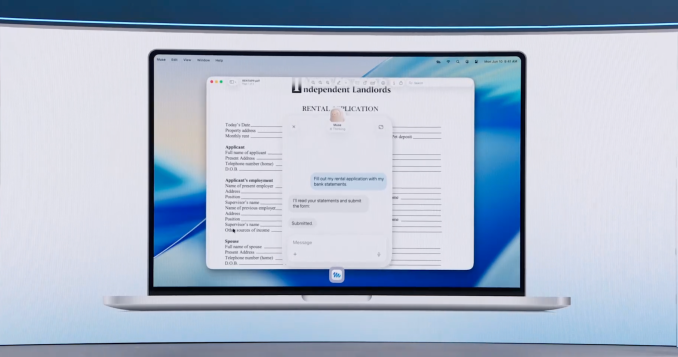
Meta is also making strides to incorporate Muse into Mac systems. Users will soon be able to assign various tasks to Muse, which, similar to other AI tools from major competitors, will manage applications on the user’s desktop.
“Whether you’re running a business or just need help with tasks, Muse will manage your work seamlessly, even when you step away from your desk,” stated Meta’s chief AI officer, Alexandr Wang, during the keynote.
Muse Will Have Its Own Email Address
To function effectively in the background, Muse will need an email address, which Meta plans to introduce shortly, although a precise timeline was not provided.
Users will have the option to include Muse in email threads or delegate email management to the assistant.
Meta has formed partnerships with organizations like Stripe and Shopify, indicating that they envision Muse as a crucial tool for online shopping.
According to Wang, Muse will have the ability to navigate the Shopify catalog and facilitate purchases through platforms like Lync and Shop Pay, with expanded payment options through PayPal.
The company also announced new partnerships with various retailers including Best Buy, Gap, Sephora, Walmart, and Wayfair. Muse will connect with retail apps and services such as Expedia and Instacart. Other integrations include platforms like GitHub, Granola, and Notion.
Wang emphasized their goal of enabling Muse to support small businesses as well, revealing that Meta has opened its platform for developers interested in creating their own integrations. They received over 1,500 applications within a week, indicating the strong interest in building for this emerging platform.