The $225 Pebble Time 2: A Delightfully Playful Smartwatch Redefining Wearable Tech

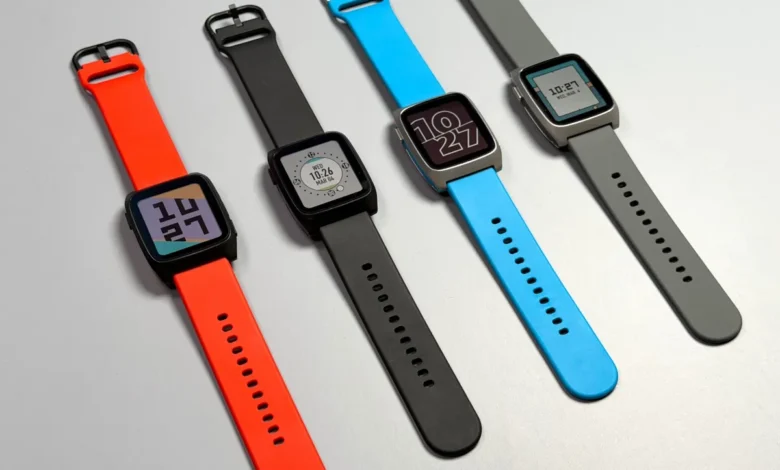
The newly released $225 Pebble Time 2 smartwatch has a playful charm, feeling almost whimsical rather than a high-tech gadget. Brought back by its original creator, the revamped smartwatch embodies a casual, fun aesthetic with quirky watch faces, simple applications, and games. Its retro design is complemented by physical buttons, an e-paper screen, and an impressive battery life.
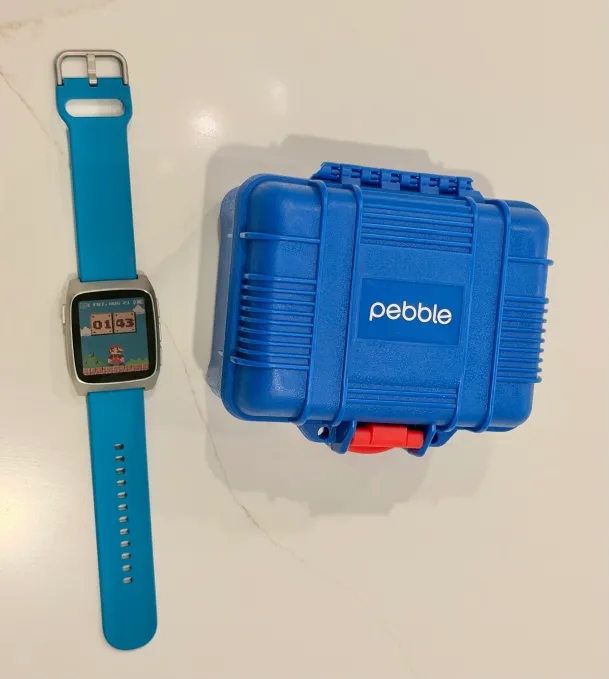
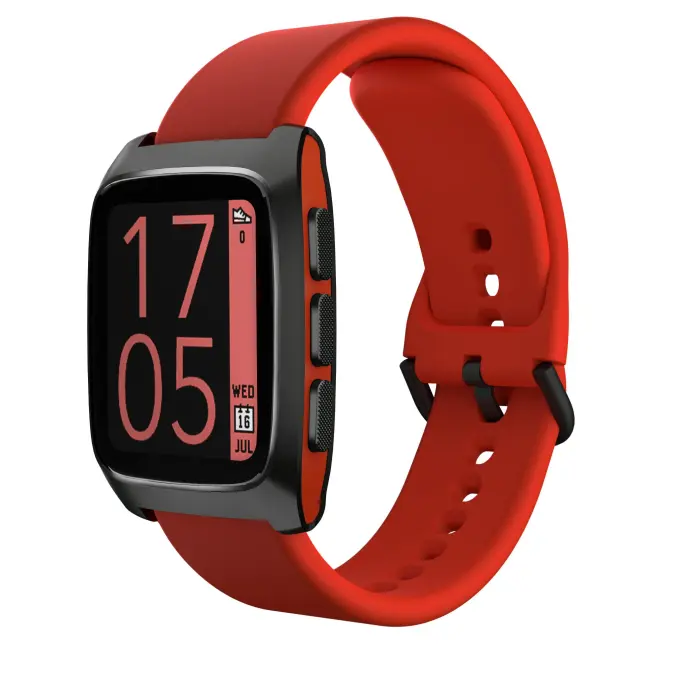
Upon first glance, the Pebble Time 2 stands apart from the Apple Watch. Rather than using an OLED touchscreen, it incorporates a color e-paper display. Unlike the variety of bands offered by Apple, Pebble Time 2 comes with a silicone strap, giving it a more casual, Swatch-like personality. Additionally, instead of choosing from premium finishes, users can select colors of blue, red, silver, or black combined with a stainless steel casing.
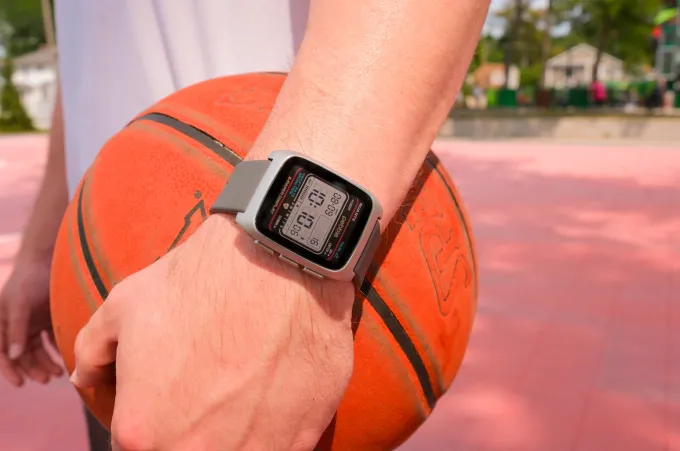
The watch features a 64-color e-paper display that remains on at all times and can be illuminated either by wrist movement or a tap. Users have the option to customize this setting. While the muted screen may lack the vibrancy of an Apple Watch’s Retina display, it excels in bright sunlight and supports a remarkable battery life of around 21 days per charge.
What truly sets Pebble apart from other smartwatches is its software and community support—elements that have essentially revived the brand after its earlier demise.
A New Era for Pebble
Originally kickstarted through a crowdfunding platform, Pebble was eventually acquired by Fitbit and later sold to Google. Before its closure, the company sold approximately 2 million units, accumulating $230 million in sales. However, the founder, Eric Migicovsky, openly acknowledged that the financial health of the company was inadequate.
Fitbit managed to keep Pebble’s services operational until 2018, at which point the user community stepped in to maintain the app ecosystem, an unusual yet compelling display of loyalty.
In 2025, with some former employees and support from Google, Migicovsky managed to convince the tech giant to make Pebble’s operating system open source. This paved the way for his new venture, Core Devices, which has since launched the Pebble 2 Duo and sold over 25,000 units of the Pebble Time 2 across 93 countries. The company anticipates releasing the Pebble Round 2 in September.
Migicovsky aims for this fresh start to right past mistakes while maintaining the true essence of Pebble.
Endless Customization
Powerfully supported by its community, the device comes preloaded with over 2,120 unique watch faces and applications, a result of contributions from Pebble developers. This extensive collection embodies the playful and creative spirit of its user base.
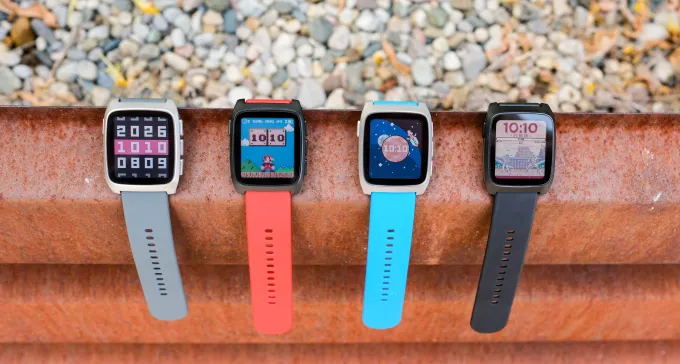
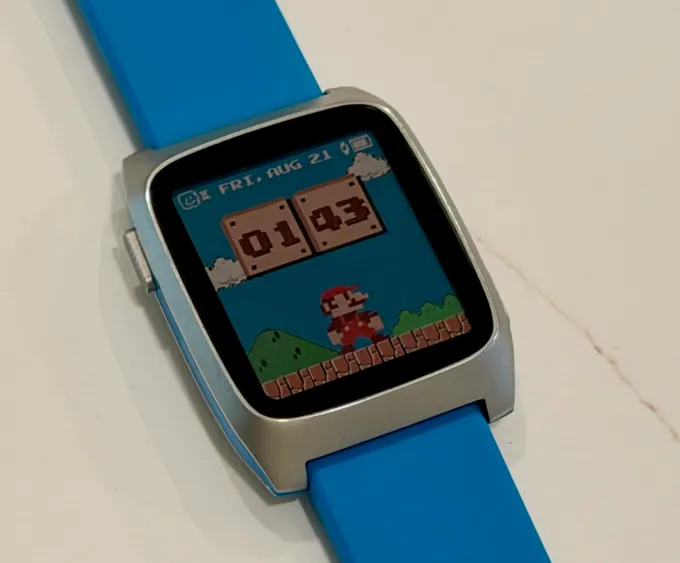
Using the accompanying mobile application, users can choose from a variety of displays—whether classic analog or quirky cartoon characters. From vibrant backgrounds to retro-style numbers, the options are seemingly endless, inviting users to personalize their devices extensively.
Users can even choose faces showing beloved memes or classic video game characters. (Licensing issues aside, enjoy the fun!)
Fun Applications and Games
Despite a smaller user base compared to the Apple Watch, the Pebble app store brims with diverse applications in categories ranging from health to entertainment. Numerous practical applications exist—like timers, music controls, health trackers, and a variety of fun, retro-inspired games.
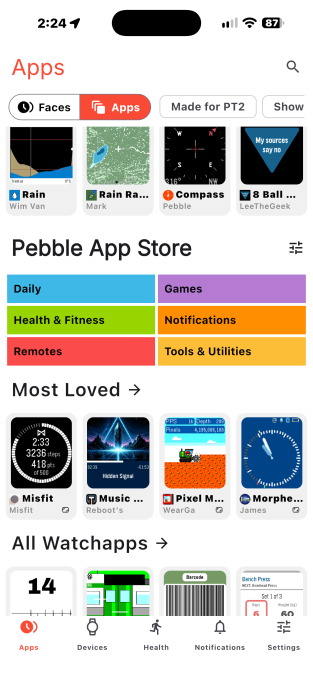
What’s remarkable is that many of these applications originated from users who simply wanted specific functionalities, whether for tracking local transportation or personal projects that would not warrant commercial development.
New AI-driven apps are also springing up, offering advanced tools right on your wrist.
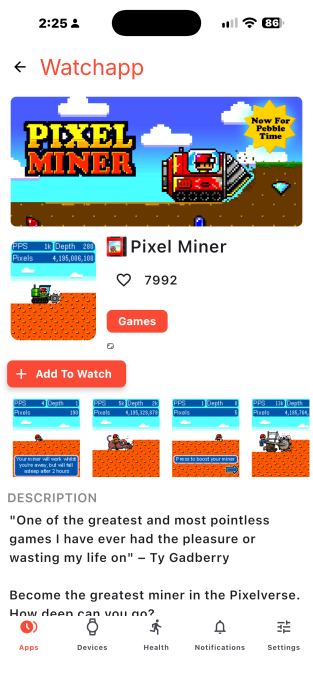
Additionally, there are quirky applications like PebGoBrrrr, which tells time through vibrations, or a game reminiscent of whack-a-mole. One of the most popular offerings is the self-professed “pointless” Pixel Miner game, where players control a character searching for imaginary treasures. Another standout is an activity tracker featuring a virtual pet named FitCat.
There’s even an application that allows users to create their own apps!
However, one potential issue is the overwhelming number of options available. The app store could benefit from enhanced search features, much like Apple’s App Store, to ease navigation and discovery of content.
Basic Functions Included
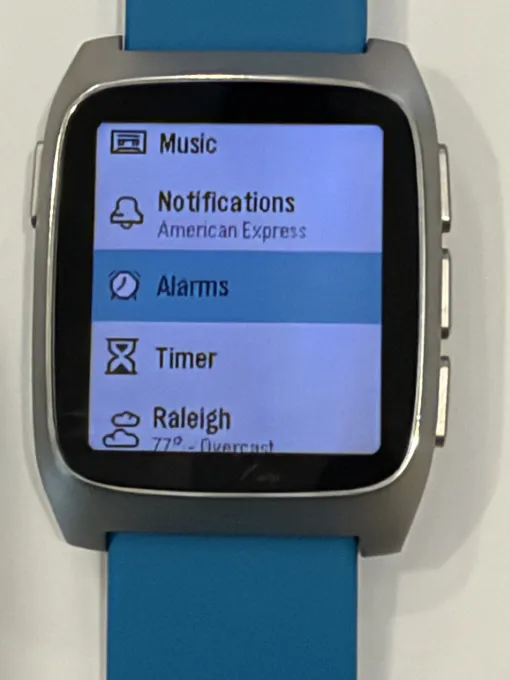
Even without additional apps, the Pebble Time 2 remains highly functional. It mirrors notifications from your phone that you can customize via the companion app, along with music control, alarm setting, and even basic fitness tracking like steps, sleep, and heart rate monitoring.
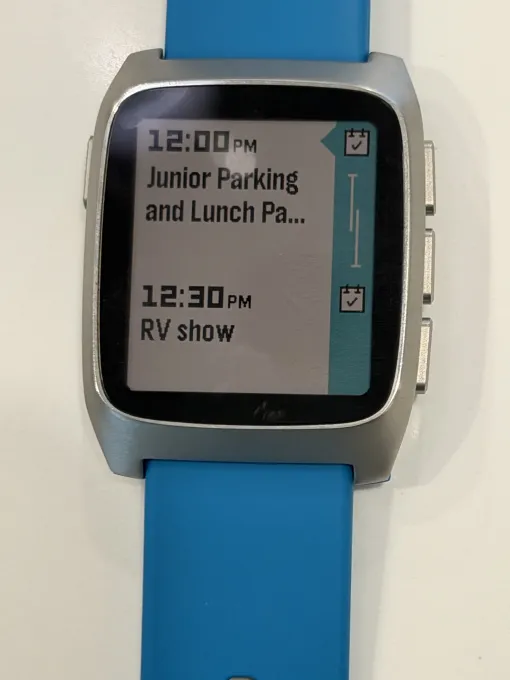
Another classic feature is the timeline, accessible through a dedicated button. This provides an overview of your day, showing past and upcoming events, reminders, and other relevant information—an efficient at-a-glance tool.
The watch features a straightforward interface with four buttons for easy navigation, allowing intuitive use. Notably, users can customize buttons for direct access to preferred apps, enhancing convenience.
Additional specifications can be found on Migicovsky’s blog. Notably, the watch features a level of water resistance (30 m / 3 ATM), suitable for everyday use but not for swimming or diving.
Reduced Connectivity: A Boon or a Bane?
One limitation arises from compatibility issues with iOS devices that restrict functionality. Due to Apple’s policies, certain features, such as responding to notifications or syncing alarms, are not available, necessitating manual setup on the watch.
However, this constraint has its advantages; the limited features can reduce the pressure to engage constantly. Users can remain connected without the obligation to respond immediately, making it easier to enjoy a more relaxed interaction with technology.
Future developments will be worth observing, as the company continues to deliver firmware updates regularly, enhancing the app and making plans to improve features, including utilizing the secondary microphone for noise cancellation.