Stephen Radochia / Source
In the last decade, smartphones have significantly advanced, showcasing improved processors, enhanced software support, and longer battery life. However, this progress has led to the disappearance of several useful features. Apart from nostalgia, the legacy functions we have lost have contributed to a level of versatility in older models that modern devices sometimes lack.
Many may overlook the lost features, yet 2026 has introduced a fresh perspective. Various phones are now equipped with physical keyboards, and the success of products like Pebble Time 2 suggests that specialized technology continues to have relevance, reinforcing the idea that devices do not have to cater to everyone.
Here are five features that should be revived in contemporary smartphones.
Which feature would you prefer to see return in flagship smartphones?
310 votes
3.5mm Headphone Jacks

Stephen Radochia / Source
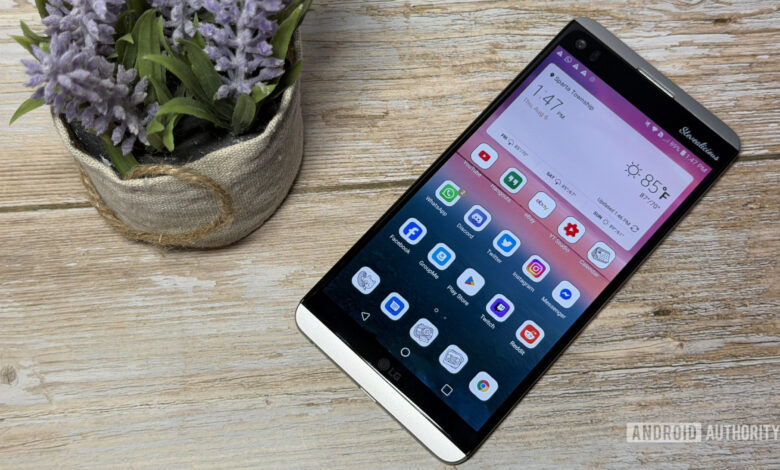
Even with Bluetooth functionalities present in nearly all gadgets today, the absence of a 3.5mm headphone jack on smartphones still poses issues. Many legacy audio systems and older car models still utilize AUX ports, and I prefer the convenience of a direct plug-in without complications. Moreover, headphone jacks enable brands to incorporate high-quality DACs. My experience listening to music on the LG V20, notable for its Quad DAC, has been exceptional—a quality that seems to be lacking in modern devices.
Headphone jacks serve another purpose beyond analog audio. Not everyone wants to deal with the hassles of wireless headphones or earbuds, including the challenge of ensuring they are charged or the risk of losing them. Although wired options can also become tangled, I would opt for the reliability of wired headphones for a superior listening experience. While USB-C dongles are an alternative, they aren’t the most user-friendly solution.
Displays with Wider Aspect Ratios
Richard Priday / Source
The trend of taller smartphones has been disappointing, especially when compared to wider models like the LG V20 and Nexus 6, which featured 16:9 aspect ratios. These designs were exceptional for video viewing and social media interactions, presenting a more natural representation of content. While taller ratios may suit certain users, a wider selection of aspect ratios in the market would be refreshing.
The Galaxy Z Fold 8 is reviving interest in wider displays, and it could encourage manufacturers to reintroduce them. Although a complete return to 16:9 formats is unlikely, wider-screen devices may soon reappear. Being able to view an entire document or email without horizontal scrolling is a pleasurable experience that will likely draw more user interest.
microSD Card Expandability
Rita El Khoury / Source
Although microSD card slots are still available in some mid-range and budget smartphones today, they have become increasingly rare in flagship models. While base storage for higher-end phones often starts at 256GB, leading to rapid fill-up if kept for several years, upgrading to 512GB or 1TB versions can be prohibitively expensive. Hence, microSD cards present a cost-effective solution.
While cloud storage is an option, many users prefer not to keep all their data online due to concerns about access and data limits. A microSD card allows for easy access to photos, movies, and music, alleviating the need for excessive mobile data use. Despite manufacturers’ decisions, microSD cards should be reinstated in flagship smartphones.
Removable or Replaceable Batteries
Stephen Radochia / Source
The experience of swapping batteries in my LG V20 has been incredibly convenient. While I recognize the trade-offs associated with removable designs—like sacrificing water resistance—there’s value in giving users straightforward options for battery replacement. As smartphones are kept longer, batteries naturally degrade; thus, offering an easy way to replace them could extend device life.
Unlike some of the other features on this list, the possibility of easier battery replacements has gained traction, particularly due to stricter regulations in the EU. As consumers seek more sustainable options, manufacturers may gradually respond by designing phones that allow simpler battery access.
Utilizing Bigger Bezels
Stephen Radochia / Source
The ongoing race among manufacturers to minimize bezels has its drawbacks. Increased bezel width could foster advancements in various areas, such as better speaker systems. While some devices manage modest sound outputs, the potential for superior audio quality would increase with a little extra space.
Notification LEDs, for example, can often be more practical than an always-on display. The visibility of AODs diminishes from a distance, while notification LEDs can convey information effectively from across the room. Although upcoming innovations may place notification tech at the back of devices, a little more front-space could reintroduce helpful lighting features.
Many Galaxy Note 9 enthusiasts lament the absence of the iris scanner, representing a desire for advanced biometrics that go beyond just fingerprint sensors.
Hope for the Future
Joe Maring / Source
Devices like the forthcoming Clicks Communicator provide a glimpse of optimism. This model includes practical features such as a notification LED, headphone jack, and expandable storage. A diversity of devices that incorporate legacy technology would be a welcome addition to the market, even in 2026.
While companies benefit from consumers paying for additional storage, it’s still nice to hope for a return of the classic features we once enjoyed.
Thank you for being part of our community. Please review our guidelines before commenting.