Wired or Wireless CarPlay: What’s Best?
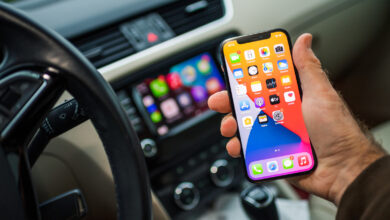
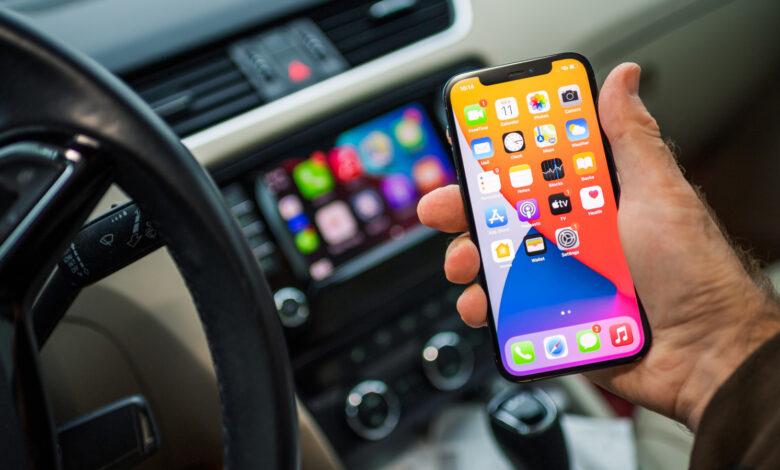
For iPhone users, adopting Apple CarPlay can significantly enhance driving experiences. This feature, available since 2014, allows drivers to access navigation, messages, music, and various applications via their car’s infotainment system. With a simplified interface on a larger screen, users can avoid distractions from their phones while driving. CarPlay is compatible with iPhone 5 and newer, and is supported by numerous manufacturers like Ford, Hyundai, BMW, and Honda.
To use CarPlay, you simply need your iPhone, a USB cable, and an internet connection for services like navigation or music streaming. Newer car models equipped with wireless CarPlay enable a completely cable-free experience; you just enter your vehicle and it automatically syncs with your iPhone.
While a wired connection is always an option, most users prefer the convenience of wireless CarPlay if their vehicle supports it. Both versions offer identical functionality—including app access, calls, and new Siri features—making wireless the preferred choice. However, wired CarPlay can be advantageous under certain circumstances.
Benefits of Wired Apple CarPlay

One major issue that wired CarPlay addresses is the connectivity problems commonly associated with wireless setups. Infotainment systems can be temperamental, and losing navigation during a journey could be frustrating. A wired connection eliminates the hassle of managing Bluetooth settings to get everything connected before driving.
Vehicles equipped with wireless CarPlay can save multiple iPhones, making it easy for others to drive without re-pairing. This convenience can also backfire if the car accidentally connects to a different iPhone, necessitating a manual switch back to your device. A wired connection resolves these complications by granting priority to the connected phone.
Utilizing a wired connection also ensures your iPhone stays charged during the drive. For users with older iPhone models that struggle with battery life, this feature is invaluable. Furthermore, wired CarPlay generally provides superior audio quality, especially for those subscribed to lossless audio services, and reduces latency issues for commands and music playback.
The Advantages of Wireless CarPlay

Wireless Apple CarPlay spares users from the complications of a wired connection. Cars usually have USB-A ports, but the included cables with modern iPhones use USB-C at both ends, demanding an appropriate cable for a wired setup. Moreover, cables can create clutter; for instance, if you have limited space like a narrow cubbyhole, it can be cumbersome to fit your iPhone while it’s connected.
For longer drives, wired CarPlay isn’t too bothersome, but frequent stops may make plugging and unplugging your device tedious. Wireless connections make it easier to share music controls with backseat passengers without the hassle of passing around your phone.
If you choose wireless CarPlay, there’s no loss in features. With updates to iOS, the ability to watch videos on CarPlay is now available without worrying about latency, thanks to AirPlay’s A/V sync capabilities.