Revealed: The Worldwide Oil Shortage is Driving Consumers to Embrace Electric Vehicles

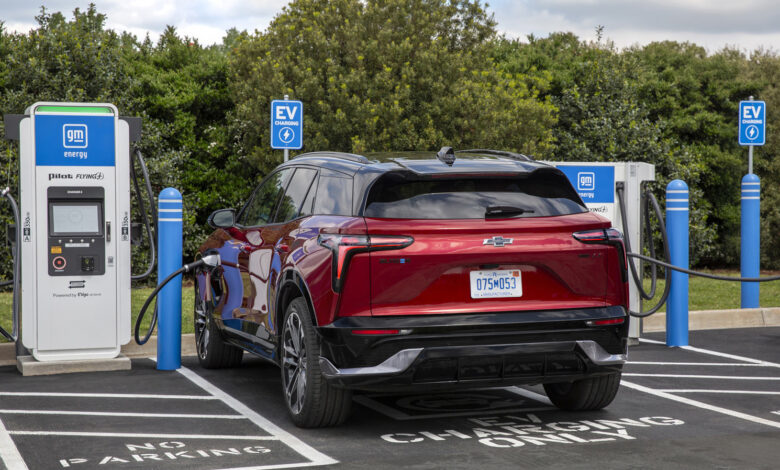
Global electric vehicle sales reached unprecedented levels in the second quarter of 2026, a recent report reveals.
According to the International Energy Agency (IEA), sales of electric and plug-in hybrid vehicles (PHEVs) reached record numbers across 50 countries during the second quarter of 2026. Compared to the previous year, these sales climbed by 4 percent, and surged 35 percent from the preceding quarter, with projections indicating that electrified vehicles will represent 29 percent of global car sales by the end of 2026.
This surge in sales was significantly influenced by rising fuel prices linked to the ongoing conflict between the US and Iran. The IEA noted that road vehicles contribute to nearly half of the worldwide oil consumption, making them highly susceptible to price fluctuations and supply challenges.
Interestingly, this increase in electrified vehicle sales occurred amid a downturn for the broader automotive sector, which saw a 5 percent decline in global car sales in the first half of 2026. This drop was primarily attributed to reduced shipments in the leading car markets of China and the US. The introduction of the Trump administration’s policy changes, including the elimination of federal EV tax credits and the loosening of fuel economy standards for internal combustion engine vehicles, previously impacted electric car sales in the US.
However, markets in India, Brazil, Australia, and Korea showed robust growth, achieving record sales figures for EVs in the first half of 2026. Notably, Europe also reported significant increases, with the UK experiencing a 35 percent rise in battery electric vehicle (BEV) registrations compared to the previous year. According to the Society of Motor Manufacturers and Traders (SMMT), BEV and PHEV vehicles accounted for 36 percent of total car registrations in the UK during 2026.
China emerged as the major benefactor from this electrification trend, with companies like BYD expanding their presence in European markets and beyond. The IEA highlighted that the share of electric vehicles in China’s car exports surged from approximately 35 percent in 2025 to over 45 percent in the first half of 2026. Nevertheless, China is currently producing more electric vehicles than it is managing to sell, with around one million electric cars reportedly unsold.
Concerns arise for electric vehicle manufacturers in other regions, as China maintains a dominant stance in the battery value chain, benefiting from integrated supply chains and production costs that are about 35 percent lower than those in developed economies. The IEA emphasized the need for coordinated initiatives between governments and industries in other countries to bridge this gap.