Devoted fans keep the spirit alive.
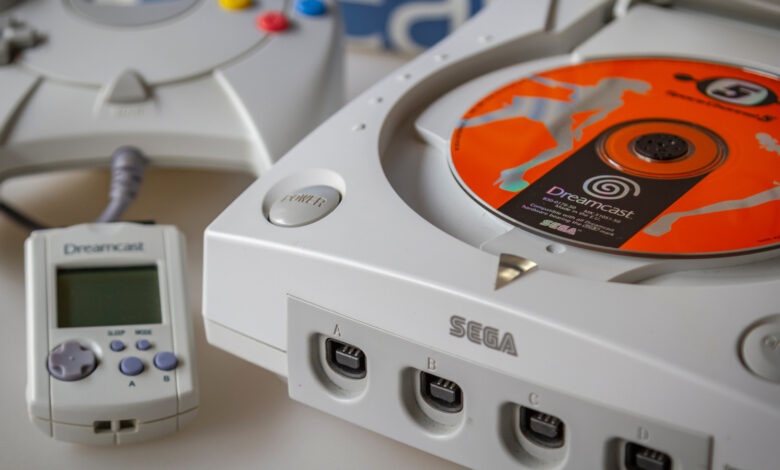
In the late 1990s, Sega introduced the Dreamcast, aiming to replicate the arcade experience for home users. Launched in Japan in late 1998 and globally in 1999, it showcased a range of iconic titles, including ChuChu Rocket!, SoulCalibur, Sonic Adventure, Phantasy Star Online, Space Channel 5, Jet Set Radio, Shenmue, and Resident Evil – Code: Veronica. The Dreamcast was groundbreaking for including a modem that allowed for online services, including real-time leaderboards and multiplayer gaming.
Despite its innovative features, Sega ceased production of the Dreamcast in March 2001, just a year after Sony released the successful PlayStation 2 in Japan. Following the disastrous launch of the Saturn in the mid-90s, Sega decided to exit the console market when it realized the PlayStation 2’s overwhelming popularity.
Nevertheless, the legacy of Dreamcast games persists. Enthusiasts discovered that the console’s architecture was ideal for homebrew development. With its basic online functionality and GD-ROM format easily bypassed for standard CDs, tinkerers could create and play custom content without making physical changes to the hardware. Unlike many modern consoles, Sega did not link essential features to its network, allowing developers and players continued access.
A New Wave of Horror

Story Bird Studios
Over 25 years since Sega discontinued the Dreamcast, independent developers are still creating fresh games for the console. A recent Kickstarter project unveiled in June introduces White Creek, a survival-horror game by Story Bird Studios and PixelHeart. It features exorcist Alicia Morelli as she navigates a haunting snowy town, using her psychic abilities and weapons to confront the possessed residents while solving various puzzles.
White Creek is still in development, with plans for a simultaneous release on Steam. However, the Dreamcast remains its primary platform. According to the team on Kickstarter, “White Creek is not just inspired by the Dreamcast; it’s designed explicitly for it. We aim to fully utilize the console’s technical capabilities, creating immersive 3D environments and cinematic experiences.”
Publishers like PixelHeart and JoshProd play significant roles in keeping the Dreamcast alive, but numerous indie developers, hobbyists, and solo creators are equally committed to this effort, producing retro ports, remakes, and supporting various online games. Communities like The Dreamcast Junkyard and dedicated subreddits actively track new developments, further proving the console’s enduring popularity among fans.
The Dreamcast has demonstrated that gamers cherish a versatile platform. By providing essential support, such as online capabilities and development tools, players have continued to cultivate a vibrant gaming community, even years after the console’s original creators have stepped back.
Building Bridges in Gaming

Panic
This rich legacy extends to modern devices like Panic’s Playdate, introduced in 2022. This charming handheld, featuring a unique hand-crank and monochrome display, fosters a welcoming environment for aspiring developers. The Playdate store has enjoyed a continuous influx of creative games since its launch, boasting an impressive library that includes more than 1,600 titles on platforms like itch.io.
In contrast, Sony recently announced the discontinuation of support for its PlayStation 3 and Vita stores, effectively halting new game development for those consoles. This decline is common in gaming hardware reliant on network support; once a console’s popularity wanes, manufacturers often cease operations, leaving players with stagnant libraries. Meanwhile, the demand for emulators and third-party upgrades in the gaming community highlights the enduring interest in retro platforms.
The Dreamcast stands out as a pivotal moment in gaming history, facilitating a unique environment for homebrew development, ports, and emulation. It strikes a balance with sufficient online functionality for modern uploads while being uncomplicated enough that Sega cannot completely disable it. It serves as a link between offline and online gaming, and with the relentless dedication of its fan base, the Dreamcast remains vibrant long after its production ended — quite an achievement for a console active for only 2.5 years.