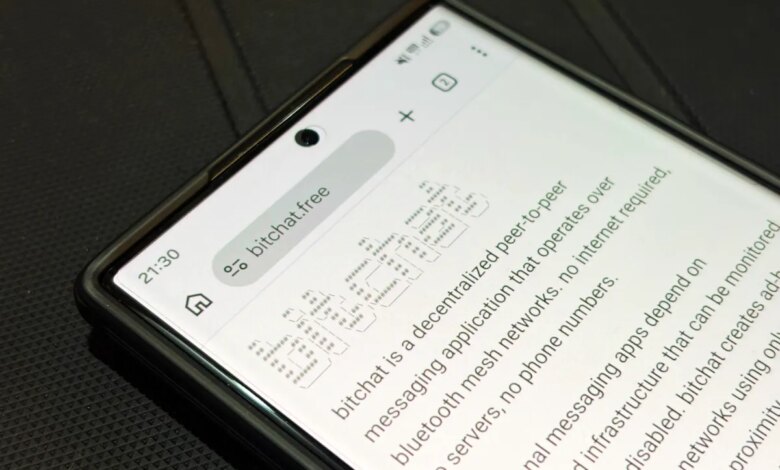
An initiative by the Indian government to remove GitHub repositories associated with Jack Dorsey’s Bluetooth messaging application, Bitchat, has sparked discussions regarding the legality of targeting open-source software based on its operational model.
The controversy surrounding Bitchat arose after Dorsey shared a notification via X, which he claimed was issued by India’s Ministry of Home Affairs. The notice instructed GitHub to limit access to three repositories for Bitchat within a short time frame. The directive highlighted concerns that the app’s anonymous and decentralized design might encourage illegal activities and complicate lawful interceptions during internet shutdowns.
This action occurs amid increased internet restrictions imposed by Indian authorities in response to student protests in New Delhi concerning alleged exam paper leaks.
The protests, dubbed the “cockroach movement,” have mobilized thousands of students calling for the resignation of Education Minister Dharmendra Pradhan. Reports suggest that many protesters have begun using offline messaging applications like Bitchat and Briar following a suspension of internet services.
The order signifies a shift in the Indian government’s approach, which previously relied on Section 69A of the IT Act and the 2009 Blocking Rules for nationwide content removal. Mishi Choudhary, the founder of SFLC.in, a digital rights advocacy group in India, mentioned that this document resembles a format used in recent government takedown notifications. However, the legal clauses referenced do not explicitly permit the removal of an entire software project based on its functionality instead of specific illegal content.
Unlike traditional government takedown requests, the notice shared by Dorsey does not specify particular posts, messages, or repositories that contain illegal material. Instead, it contends that Bitchat’s capacity to operate during internet outages and without central servers could facilitate unlawful behavior.
Issued on July 23 by the Indian Cybercrime Coordination Centre (I4C), the notice claimed that Bitchat allows users to communicate amid network restrictions and internet shutdowns, thereby enabling circumvention of legal constraints while hampering lawful interception and traceability.
In recent days, Bitchat has experienced a surge in popularity across India. Sensor Tower, a market analytics firm, revealed that approximately 85% of the app’s global downloads between July 17 and July 23 originated from India, a sharp increase from approximately 1% in the preceding month. Over the past five days, Bitchat was downloaded more than 91,000 times in India, with daily active users exceeding 330,000, marking a record for the application in the region.
Concerns Surrounding Open Source Software
The Internet Freedom Foundation (IFF), a digital rights advocacy group based in New Delhi, raised concerns about the efficacy of the suspected takedown order.
According to the group, the directive ultimately fails on its own terms. Deleting a repository does not eliminate the app from devices where it is already installed, and the network continues to function without servers. What this takedown effectively prevents is transparency regarding the underlying code.
Raman Chima, a global program director at the Association for Progressive Communications, pointed out that the notice appears to target not just the messaging service but seeks a broader removal of its open-source code from GitHub.
“This indicates that the Indian government is not just focusing on the service provider; they appear to be implying that open-source development of such applications should be halted,” he noted.
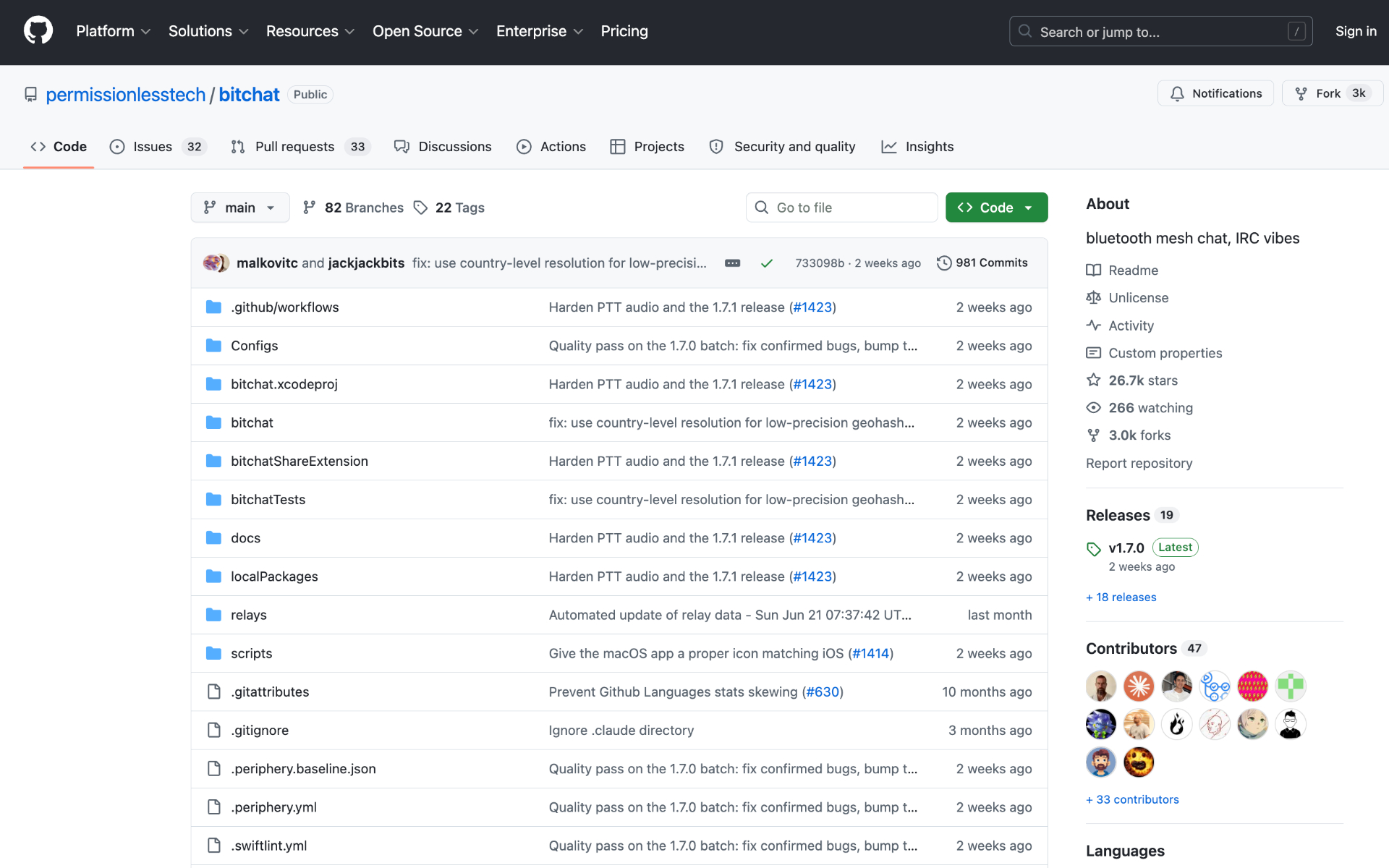
GitHub did not confirm if it had received the notice, and the repositories remained accessible in India. Responding to inquiries about the notice, the company provided a link to its public records of government takedown requests, which did not show any recent requests related to Bitchat.
Namrata Maheshwari, policy manager at Access Now, underscored that blocking an offline messaging platform during internet restrictions risks transforming shutdowns into a complete “communication blackout.” She emphasized that peaceful communication and coordination are fundamental rights in any democracy.
“Upon receiving a formal takedown request from the government, we inform the affected account owners and allow them the opportunity to appeal,” Rose Coogan, a principal counsel in online safety at GitHub, stated in an email. “All government takedown actions we undertake are made publicly accessible.”
The Indian Home Ministry did not respond to a request for comments.