Navigating Life in One of America’s Most Foggy Cities: My Tips for Keeping Car Air Fresh

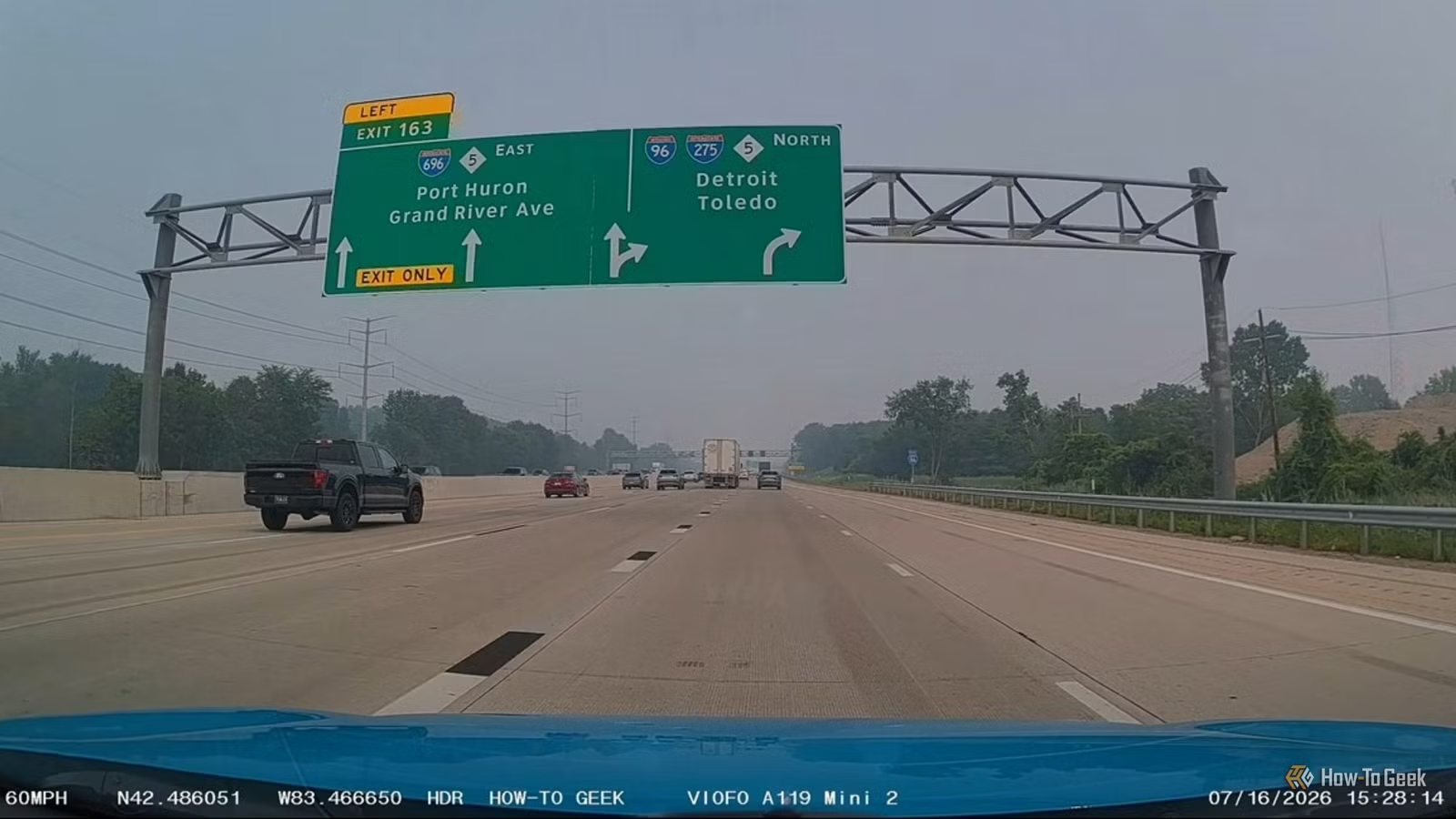
In the summer of 2023, a strange haze covered the skies across the East Coast due to an unprecedented wildfire season in Quebec. New York City saw its Air Quality Index soar to a dangerous level of 465, with smoke spreading to major cities like Boston, Washington, D.C., and Philadelphia. A staggering 350 million individuals were exposed to unhealthy air quality before conditions finally improved.
This year, Canada is again battling numerous wildfires. Changing wind patterns are directing the smoke into the U.S., raising alerts in areas not usually known for wildfire issues. Cities such as Minneapolis, Chicago, and Detroit have found themselves among the most affected areas currently.
If you suffer from allergies or sinus discomfort like I do, you can feel the impact of air quality warnings even indoors. When venturing outside during such alerts, I’ve found three useful strategies to lessen the effects of poor air quality while driving.
Monitor Air Quality
Consolidate Errands
The EPA offers an AirNow tool that provides real-time air quality readings from monitoring stations across the nation, providing users with a clear, color-coded index based on their location. This tool is accessible through its website and a free mobile app for both iPhone and Android.
For instance, as seen in current data, the air quality in Detroit, where I reside, is quite poor. If you’re in a similar area experiencing alerts, consider postponing your errands if possible. I personally try to combine my shopping and errands into one trip, a strategy that helps improve fuel efficiency and is beneficial during poor air quality spells.
Many states also have their own air quality monitoring tools, often focusing on specific regions or neighborhoods. For example, organizations like the Texas Commission on Environmental Quality and the New York Department of Environmental Conservation provide daily reports for metro areas.
A quick search for “[your state] air quality” can usually lead you to local resources if they are available.
Check Your Cabin Air Filter
Look for a “MERV-13 equivalent” Rating
Most vehicles sold in the last 20 years come equipped with a cabin air filter that helps trap dust, pollen, and other particulates before they reach the cabin. Ongoing exposure to wildfire smoke can shorten the lifespan of this filter significantly.
When the air is hazy and uncomfortable outside, like it is in Detroit right now, it’s wise to ensure that your cabin air filter is fresh. If it hasn’t been replaced in over a year, or if you can’t recall your last change, it would be a good idea to take care of this either through a DIY project or during your next visit to the mechanic.
Just like your vehicle, your home also contends with smoke intrusion, and it uses a different filtration rating system, known as MERV (Minimum Efficiency Reporting Value), which measures how effectively a filter can capture particles. The EPA suggests a MERV rating of 13 or above for home air filters to effectively block wildfire smoke.
Certain aftermarket auto brands offer cabin filters claiming to have a “MERV-13 equivalent” rating, utilizing specialized multi-layer designs to ensure fine particles are trapped efficiently.
Utilize Recirculate Mode
Adjust for Longer Trips
In Detroit, while I usually enjoy driving with the windows down on scenic routes, during air quality alerts, I turn on my vehicle’s air conditioning. Your car’s HVAC system can take in air from either the outside or the inside. The recirculate function, marked by a looped arrow symbol, prevents outside air intake, instead recycling air already within the cabin.
This mode itself doesn’t change the temperature, but when used alongside air conditioning, I find that it can cool the vehicle just as effectively as pulling in outside air, even on hot days. Additionally, many newer cars feature air quality sensors that automatically switch to recirculate mode when pollution levels rise.
A Final Driving Tip
Air quality concerns generally alleviate once weather systems move in to disperse smoke, though this timeline is not consistent. Until conditions improve, implementing the strategies above can help keep the air in your car cleaner than that outside.
One last consideration: constantly using recirculate mode can trap exhaled carbon dioxide inside your vehicle. On longer drives, this can contribute to drowsiness. If you have a lengthy trip planned, it’s advisable to alternate between standard and recirculation modes periodically.