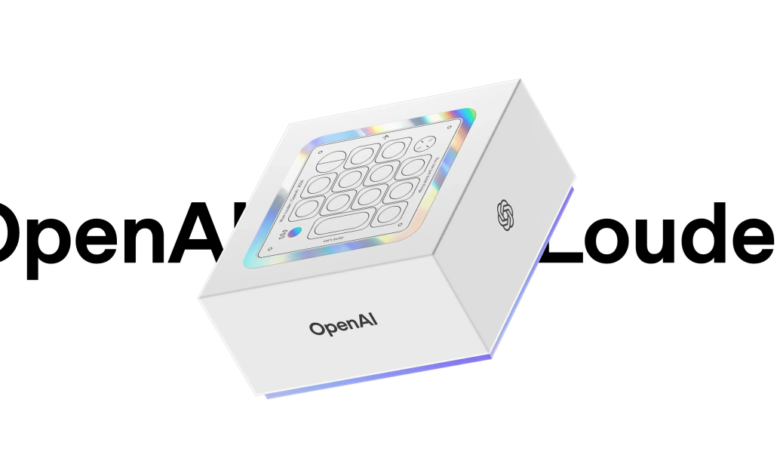
OpenAI is stepping into the hardware sector with the introduction of a $230 illuminated keyboard intended for use with its AI coding assistant, Codex.
The Codex Micro, designed in partnership with specialized keyboard manufacturer Work Louder, aims to provide ChatGPT users with an innovative tool for managing their AI coding agents—autonomous tools capable of coding and executing tasks with minimal human intervention.
This keyboard features illuminated “Agent Keys” that indicate the status of the agents, customizable Command Keys that serve as shortcuts for common Codex functions, and a joystick for triggering standard workflows. Additionally, it includes a dial that allows users to set the “reasoning” level, which adjusts the amount of time and computing resources the agent dedicates to specific tasks.
Instead of relying on mobile or desktop applications to manage these agents, users can operate the Micro as their primary interface for agent-based activities, enhancing both functionality and aesthetics on their desks. The device can be controlled and personalized through the ChatGPT desktop application.
OpenAI described the Micro as a limited edition product, suggesting that it is more of a novelty rather than a mass-market item. It seems to serve as a flashy introduction for the company’s venture into hardware.
More significant hardware announcements came on Tuesday, featuring a forthcoming OpenAI gadget that, according to reports, appears to be intended for long-term use. This device is described as a portable smart speaker without a screen, integrating with ChatGPT and featuring “mechanical elements that can move independently.”
It remains unclear how these various features—a lack of a screen, portability, and moving parts—will coalesce into a functional product, as OpenAI has not provided further details. However, the potential is certainly captivating. Reports indicate that this device is still in the developmental phase and could undergo changes.
This new gadget is also said to be crafted by former engineers from Apple, a company currently engaged in legal action against OpenAI for alleged intellectual property theft.
The ongoing litigation has drawn attention, particularly from Apple, which recently accused OpenAI’s executives of intentionally seeking to acquire its confidential information for use in their hardware projects. OpenAI has refuted these accusations.