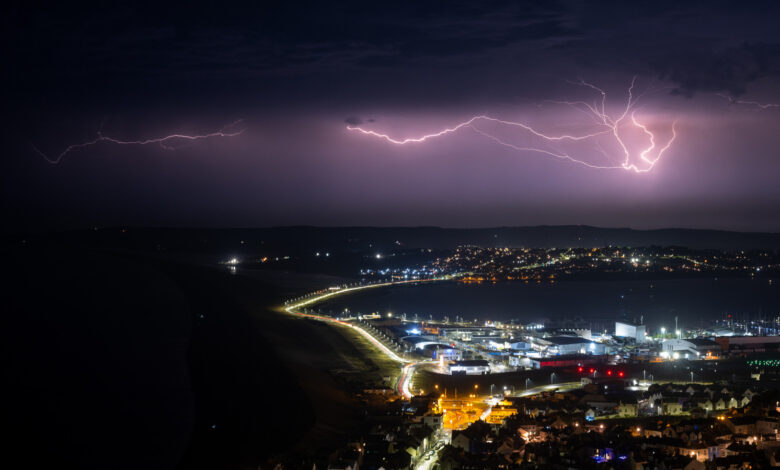
Preparation can go a long way in safeguarding your technology.
A single thunderstorm can damage various electronic devices such as PCs, TVs, and refrigerators within moments. The resulting harm can be significant, with residential electrical fires resulting in over $1.2 billion in losses in the US alone in 2021. Fortunately, taking some preventive measures can help avoid such financial burdens.
Acting promptly when a storm approaches and investing in safety measures for your home are essential strategies to prevent costly damages. After all, you wouldn’t want to face the expense of replacing a high-end PC and a large television after a storm, would you?
How Lightning Affects Electronics

Recently, extreme storms have become more common, directly influenced by climate change, which intensifies these events. When a lightning storm occurs near your home, it can send a powerful surge through your electrical system, which can overwhelm your devices’ circuits.
This risk extends beyond the direct effects of a strike, as lightning can flow through plumbing and metal wiring in your house, posing a broader threat than many realize. Damage can occur even from nearby strikes that generate sufficient voltage spikes to harm sensitive electronics.
Protecting Your Devices from Lightning Strikes

FEMA provides straightforward advice: when a severe storm approaches, unplug all electronics. This simple act is both effective and economical.
Besides immediate action during storms, it’s important to take preemptive measures. Here are some suggestions to protect your valuable equipment before storms occur:
- Invest in surge protectors designed for sensitive devices like computers and entertainment systems.
- Directly connect major appliances to wall outlets to avoid overheating extension cords.
- Consider whole-home surge protection for comprehensive safeguarding.
- For regions prone to storms, installing lightning rods or protection systems can safely redirect electrical energy into the ground.
Key Considerations for Lightning Protection

Implementing lightning protection involves a well-thought-out strategy. Prioritize investing in surge protectors for your essential electronics. Unlike standard power strips, surge protectors redirect excess voltage. To ensure effectiveness, choose one with a Joule rating of at least 2,000 and a clamping voltage below 400V.
For devices that remain plugged in constantly, an Uninterruptible Power Supply (UPS) offers a reliable solution, acting as a buffer between your devices and the electrical outlet. It provides backup power and advanced surge protection.
While slightly pricier, hiring a licensed electrician to install a surge protective device in your main electrical panel could be the most effective strategy.
Safeguarding your technology from lightning is about preparation rather than action after the fact. Unplugging devices when storms are imminent is still a fast and reliable method. Investing in surge protectors helps ensure that your expensive electronics remain protected and your home remains safe even when you’re not around.