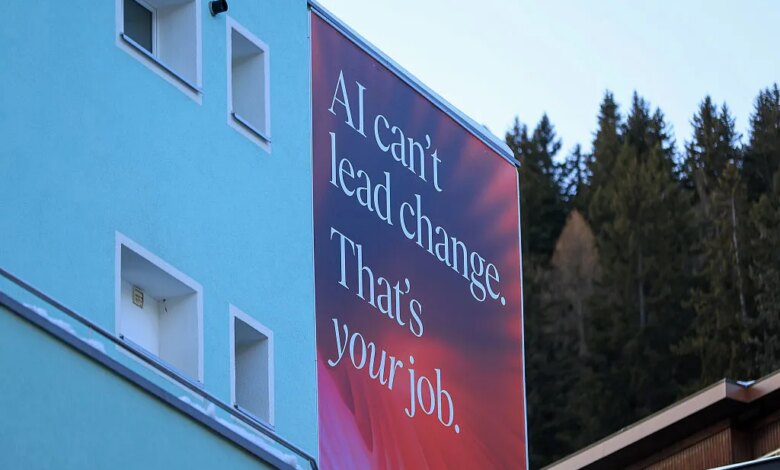
Concerns about job losses due to artificial intelligence (AI) have surged with each wave of layoffs announced by companies. By May 2026, nearly 90,000 job cuts were linked to AI, with estimates suggesting that up to 15% of jobs in the U.S. could disappear in the next five years. Assurances from the tech sector about new job creation do little to alleviate anxieties, particularly among graduates questioning their job prospects.
A new report by Ramp and Revelio Labs, which analyze enterprise AI investments and workforce data from almost 22,000 companies, adds a complex layer to these concerns.
The study indicates that organizations heavily investing in AI are actually increasing their workforce, including in entry-level positions that are often viewed as vulnerable. Specifically, “high-intensity adopters”—companies spending an average of $30 per employee each month on AI—experienced a 10.2% rise in headcount in the initial three months.
Job growth was observed across various departments, such as engineering, sales, administration, customer service, finance, marketing, and scientific roles. Notably, the information sector, including software and tech-related companies, exhibited the strongest growth among high-intensity adopters.
However, the optimistic data should be interpreted cautiously. It primarily reflects tech-driven, knowledge-based organizations—those often backed by venture capital and already on an upward trajectory, which complicates the evaluation of AI’s true impact on hiring.
The authors of the report acknowledge, “This paper does not indicate that AI universally creates jobs,” but they contend it does challenge the assertion that AI will trigger widespread job losses.
Moreover, the report argues against the narrative that AI is eliminating all entry-level roles. Research from Goldman Sachs highlighted that about 16,000 jobs per month have been lost due to AI over the last year, disproportionately affecting Gen Z and early-career workers. Yet, in high-tech companies, the report shows a 12% increase in entry-level positions.
What can we glean from this situation? It suggests that AI may not solely serve as a substitute for human labor; rather, it may play a role in business expansion.
The report explains, “For software and technology firms, AI can reduce the cost or time required for core operations, such as coding, debugging, creating internal tools, producing technical documentation, and aiding product development. Lower costs in these areas could incentivize overall company expansion, not just enhancements within the engineering division.”
However, companies that merely subscribe to AI services or run pilot projects without making longer-term investments typically do not see any growth in their workforce, the report notes.
This creates a potential disparity between companies that possess the necessary resources—such as capital, skilled personnel, founder networks, and management capacity—to convert AI adoption into tangible business benefits, and those that remain stuck in the experimental phase. The findings suggest that more resourceful firms will likely achieve the greatest improvements.
The report’s authors predict that this gap may widen, stating, “Companies lacking these advantages may find themselves at a disadvantage.”