Hybrid vehicles have transitioned from being primarily niche options for eco-conscious consumers to becoming mainstream choices for a wide demographic. Today, they are found in various forms, from family SUVs to high-end sedans, appealing to many drivers who seek a balance between conventional gas cars and fully electric vehicles.
This rise in popularity is largely attributable to consumers looking for improved fuel efficiency without the concerns surrounding charging networks and range limitations. In response, manufacturers have enhanced hybrids by making them faster, more sophisticated, and generally more attractive than their earlier models.
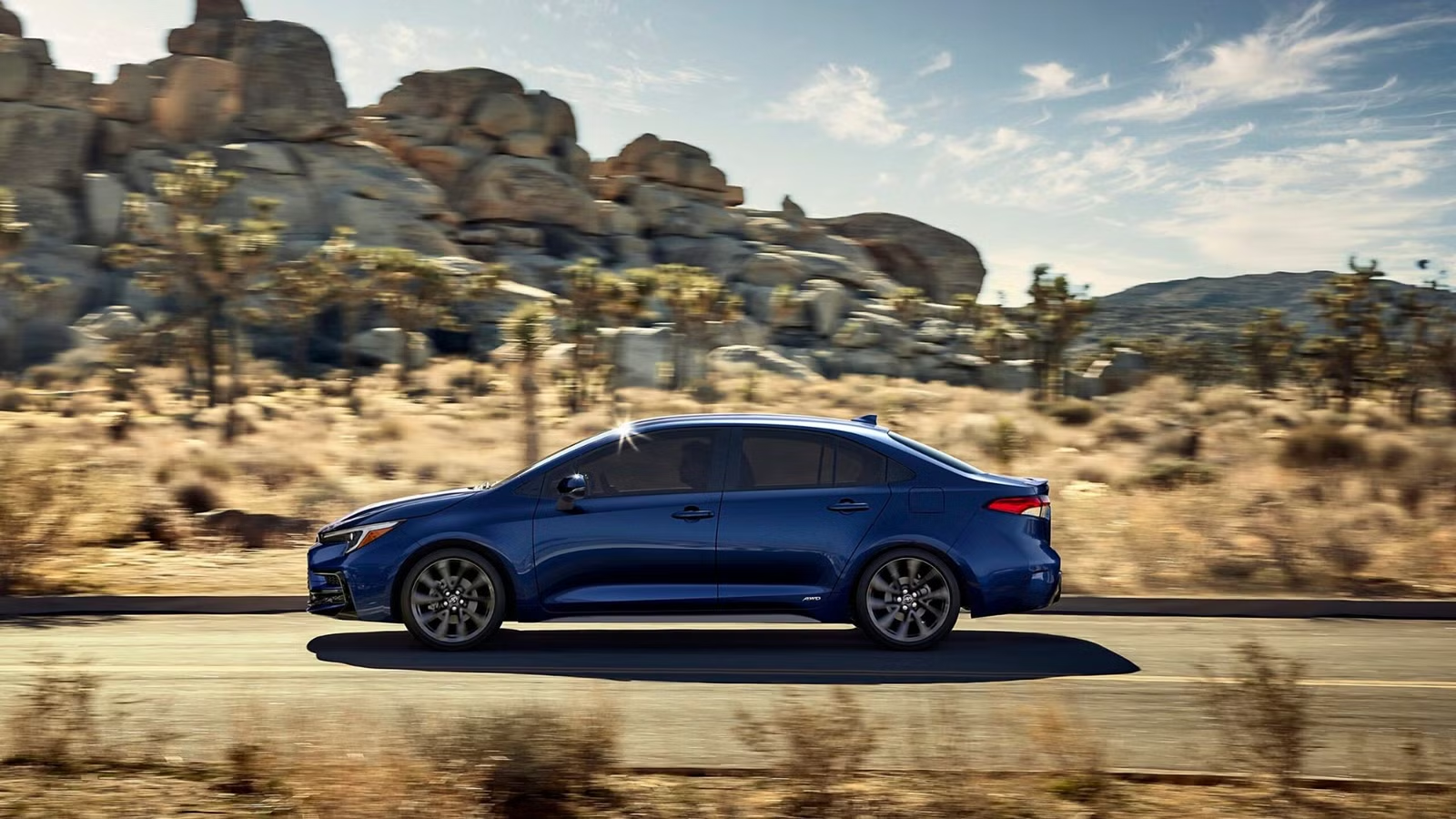
Among the hybrids available on the market, a particular Japanese sedan has distinguished itself by making fuel costs feel negligible.
Hybrids Have Become Popular Choices
More Drivers Opting for Hybrids Over Gas-Powered Cars
Credit: Toyota
Hybrid cars have seen a surge in demand across the U.S., attracting drivers due to their enhanced fuel efficiency and reduced emissions, without the complications often associated with electric vehicles. Modern hybrids bear little resemblance to the slow, basic models of the early 2000s. Advances in battery technology, smarter electronics, and lighter materials have made today’s hybrids not only faster but also suitable for everyday driving.
Toyota Continues to Dominate the Hybrid Market
Credit: Toyota
Unlike other manufacturers rushing towards a full electric lineup, Toyota’s strategy involves focusing on hybrids, integrating them into its most sought-after SUVs and cars. In fact, hybrids made up over half of the brand’s sales in the U.S. during the first quarter of 2026.
The demand keeps increasing, with new hybrid versions of popular Toyota models experiencing substantial sales growth. Their appeal lies in the simplicity: drivers can just refuel, continue their regular driving habits, and enjoy better fuel efficiency, good resale values, and low operating costs, all priorities for many car buyers.
The Corolla Hybrid Offers Impressive Efficiency
Efficient Fuel Usage Saves You Money
While the Corolla Hybrid isn’t designed for speed, its purpose is efficiency. The front-wheel-drive LE model boasts an EPA rating of 53 mpg in the city, 46 mpg on the highway, and a combined rating of 50 mpg. According to estimates, this translates to around $5,250 in fuel savings over five years compared to the average new car, with yearly fuel expenses estimated at approximately $1,350.
If all-wheel drive is necessary, Toyota provides that option as well, although it slightly reduces efficiency. The AWD SE variant carries ratings of 41 mpg city, 47 mpg highway, and a combined 44 mpg, with a slightly smaller fuel tank that reduces driving range from 565 miles to 497 miles. Each Corolla Hybrid utilizes a trusted 0.9-kWh nickel-metal hydride battery pack.
Maintains Affordability Long After Purchase
Credit: Toyota
Beyond fuel savings, the Corolla Hybrid’s financial advantage is significant. The estimated total cost of ownership for the base LE model over five years and 60,000 miles is about $30,470, which includes maintenance, repairs, depreciation, and fuel. Another estimate puts it slightly higher at $34,616, yet it remains one of the most economical new cars in terms of long-term costs.
Maintenance expenses are also noteworthy, with estimates around $362 annually—lower than the compact car average of $526. Toyota’s strong reputation for reliability further minimizes unexpected expenses. Even with hybrid systems, maintenance costs tend to stay comparable to those of traditional gas-powered Corollas, often remaining below $400 annually after initial free maintenance concludes.
Proven Hybrid Technology That Works Effectively
Efficiency From a Tried-and-Tested System
Credit: Toyota
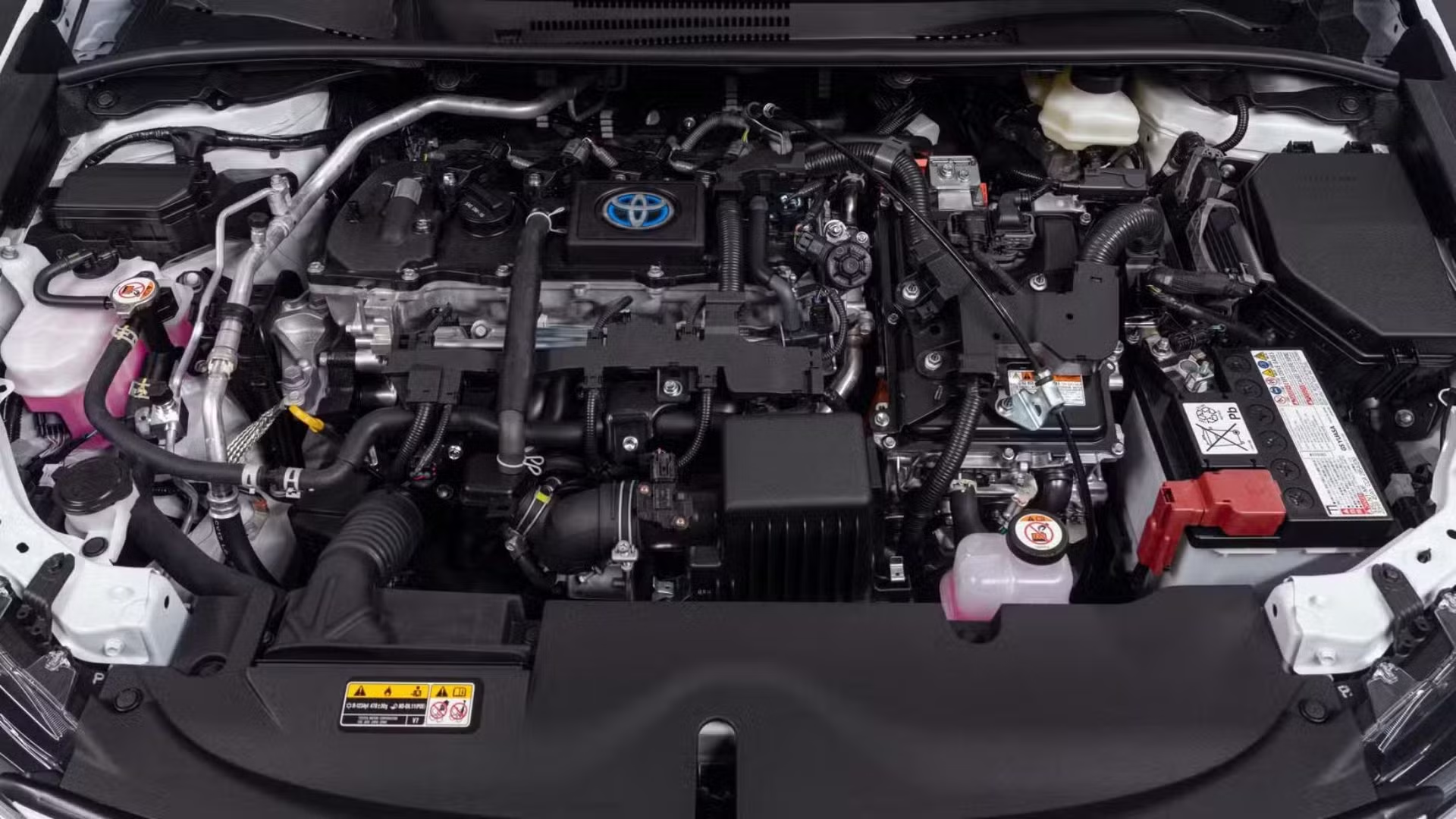
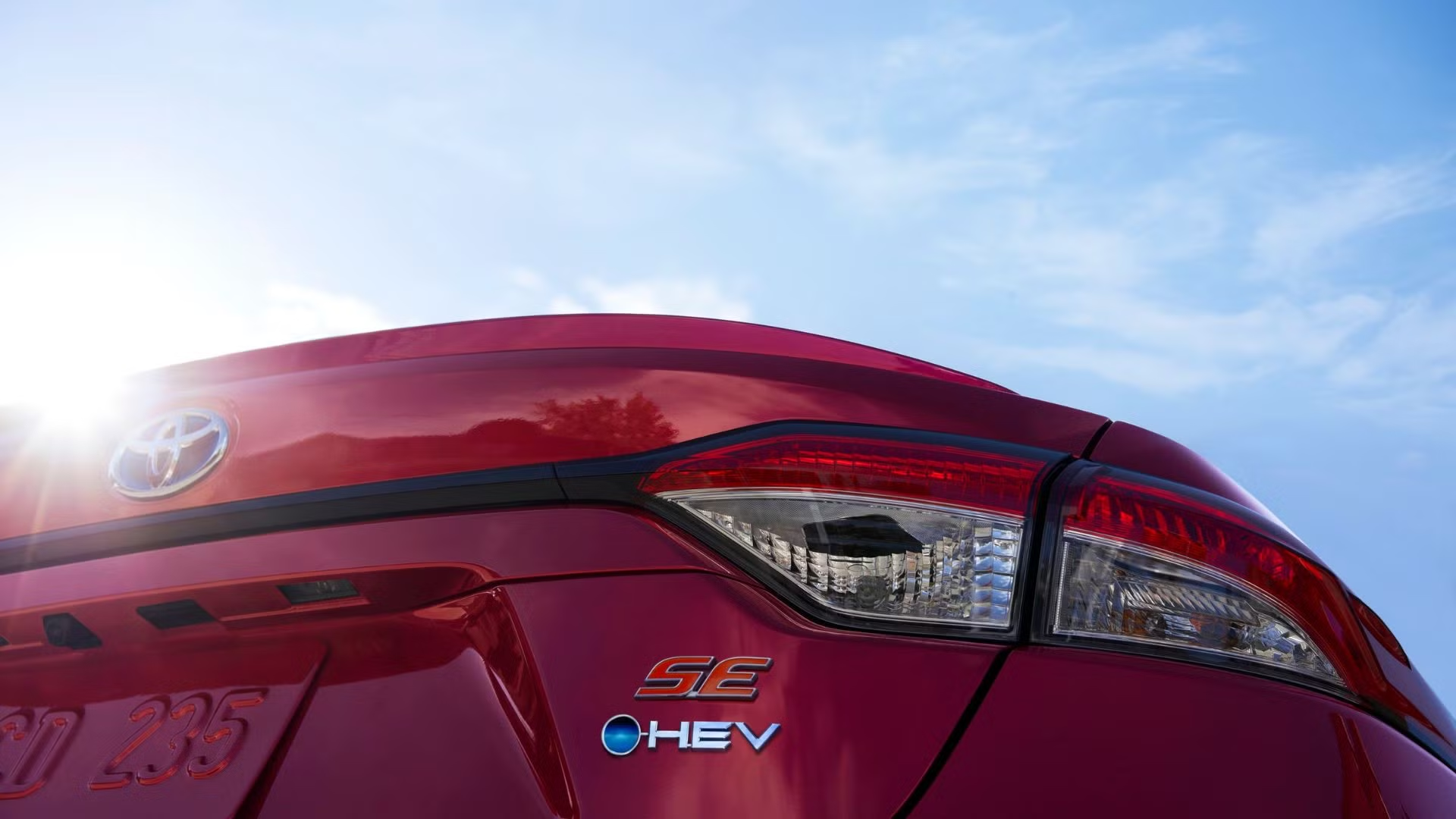
The Corolla Hybrid combines Toyota’s reliable 1.8-liter Atkinson-cycle four-cylinder engine with its established Hybrid Synergy Drive system, producing a combined 138 horsepower and 152 lb-ft of torque, paired with a continuously variable transmission (CVT).
The emphasis is mainly on efficiency rather than high performance. Testing indicates that the AWD version achieves 60 mph in approximately 9.0 seconds, while the FWD takes about 9.6 seconds—speed sufficient for daily drives while offering exceptional fuel efficiency.
Reliability Comes Standard
Credit: Toyota
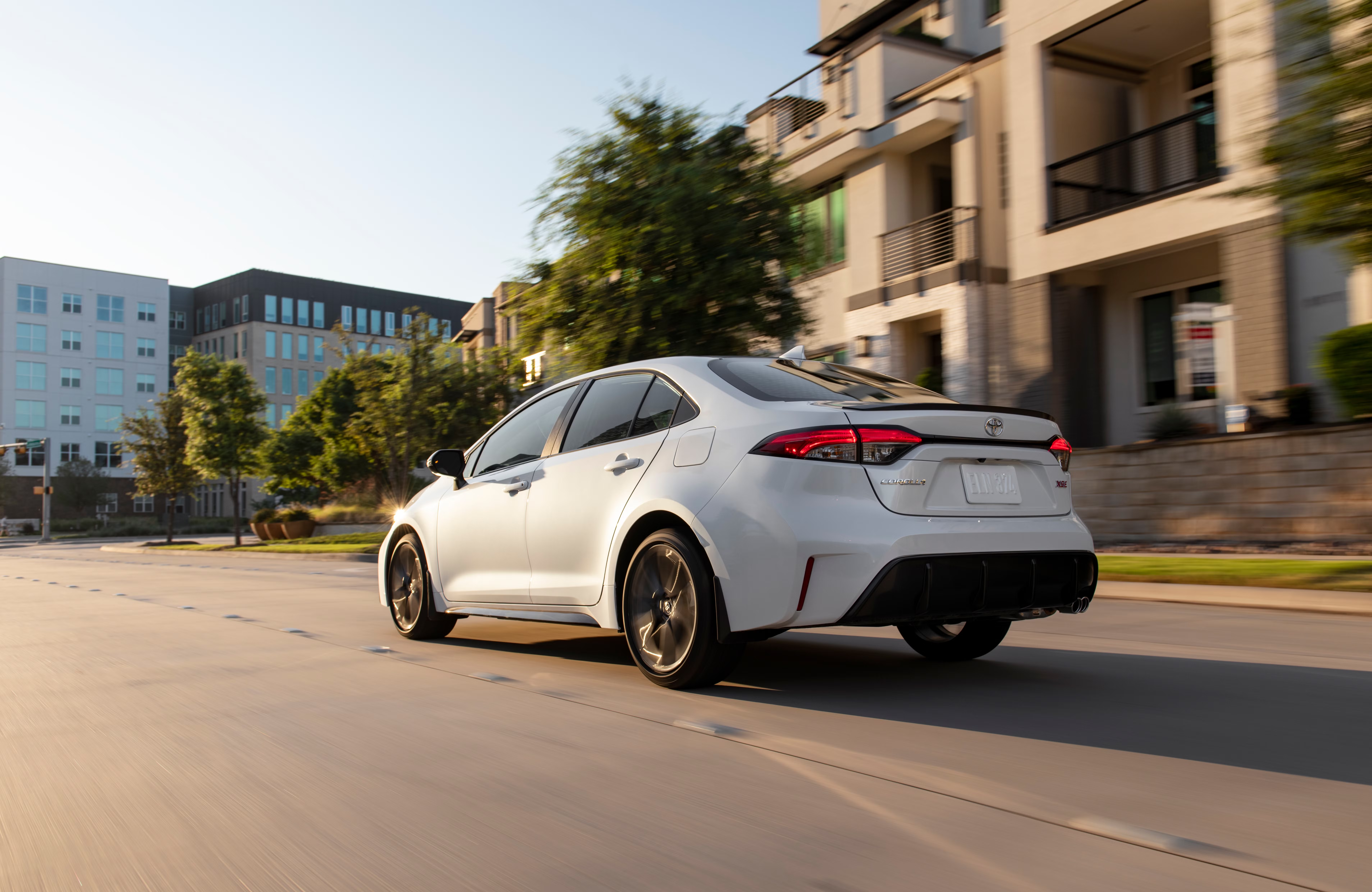
The Corolla has built its reputation as one of the most reliable vehicles in existence, whether in its gas or hybrid configuration. Data shows that the average Corolla lasts about 11.4 years or around 150,000 miles, with a 17.5% likelihood of reaching 200,000 miles.
Further reflecting its quality, the Corolla scores 81 out of 100 for reliability, alongside high marks for resale value and overall ownership experience.
Well-Equipped Right Out of the Box
No Need to Upgrade for Features
Credit: Toyota
The 2026 Corolla Hybrid’s pricing starts at $24,975 for the LE, with the SE at $27,415 and the XLE leading at $29,340. All trims can be enhanced with all-wheel drive for an extra $1,400, not including the destination charge of $1,195.
A variety of optional packages and features are available depending on the trim selected.
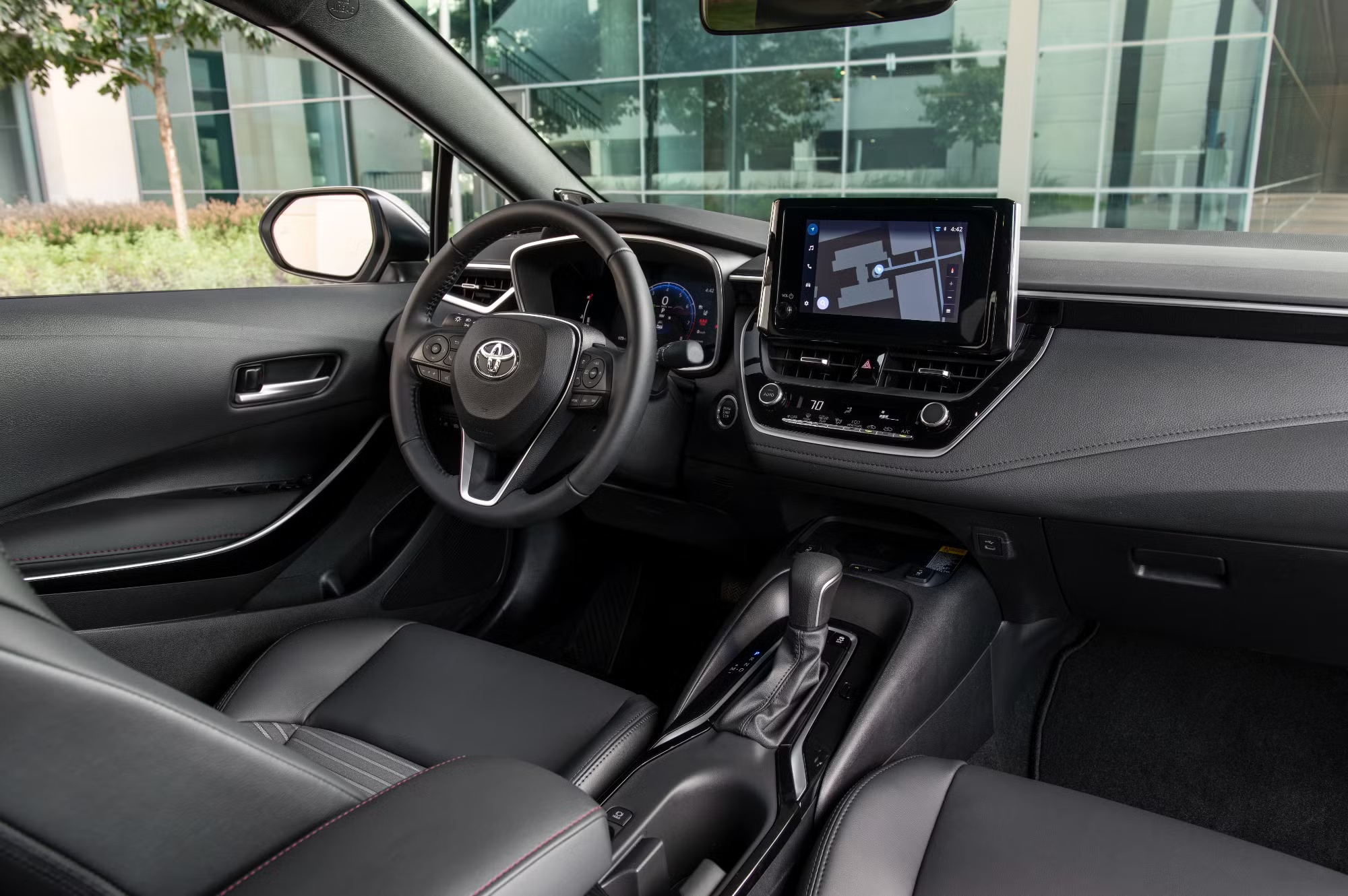
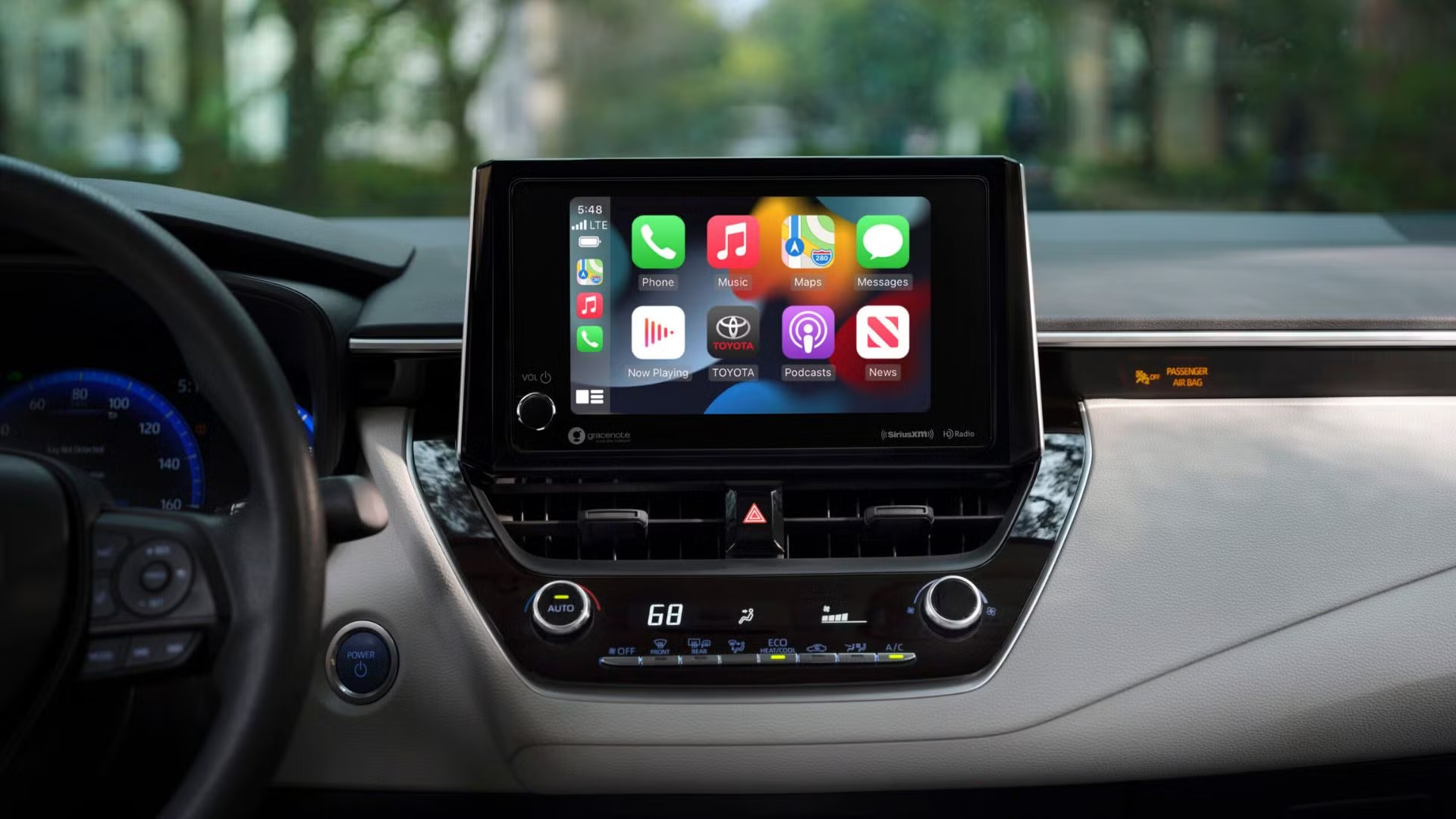
Toyota has also upgraded the Corolla Hybrid’s technology suite for 2026. All trims are equipped with a digital instrument panel, Toyota Safety Sense 3.0, and an 8.0-inch touchscreen for infotainment featuring wireless Apple CarPlay and Android Auto. Higher-end models upgrade to a larger 10.5-inch display and offer an optional premium JBL audio system.
Moving up the trim levels introduces amenities like heated seats with SofTex trim, a power sunroof, and wireless charging—enhancing the sedan’s overall appeal.
Comprehensive Warranty Coverage
Credit: Toyota
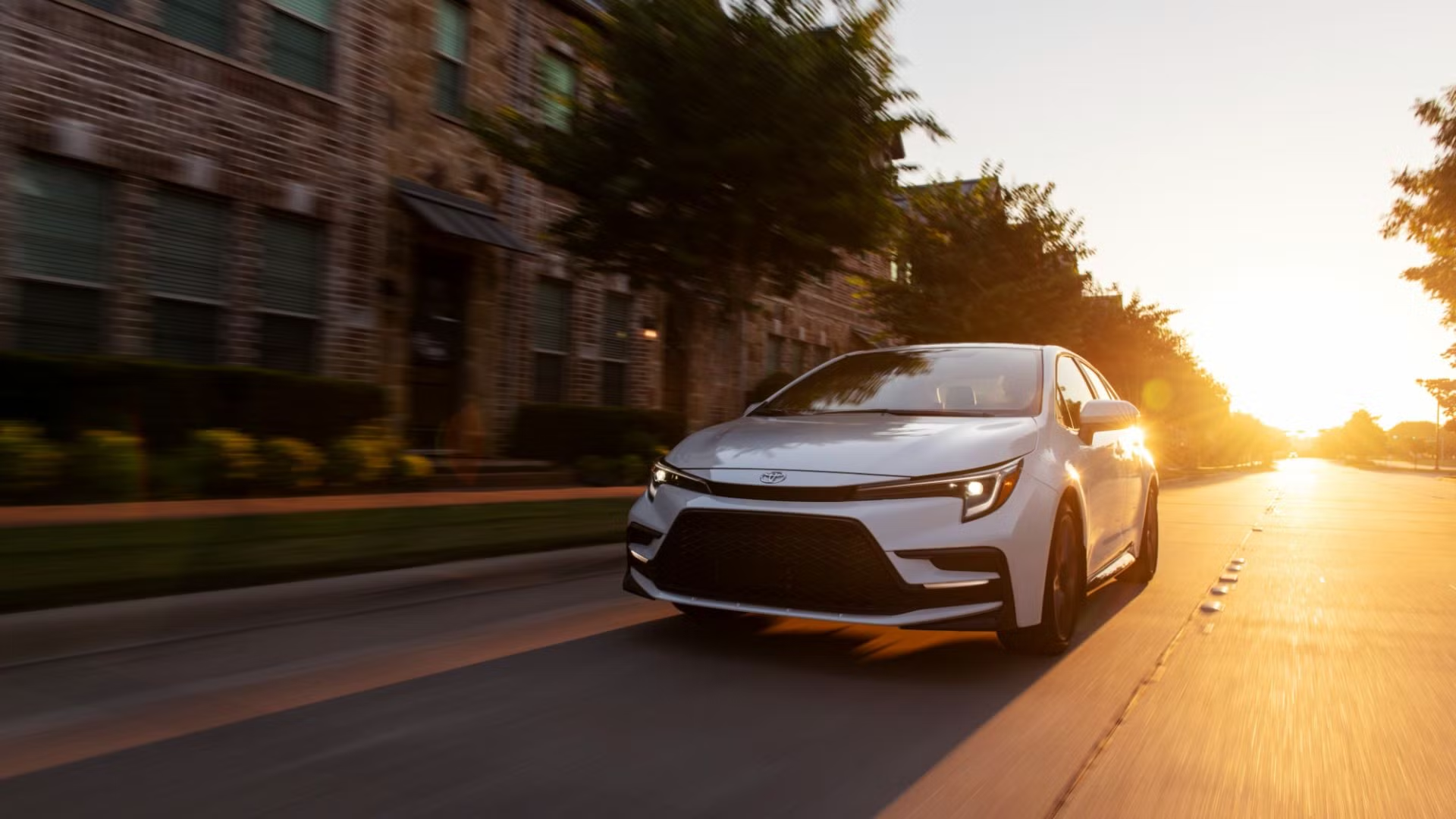
The 2026 Corolla comes with a standard warranty covering three years or 36,000 miles for basic coverage and five years or 60,000 miles for the powertrain. For hybrid variants, Toyota extends the warranty for hybrid components to eight years or 100,000 miles, with the battery receiving an even longer 10-year or 150,000-mile warranty for added security.
Additionally, ToyotaCare includes factory-scheduled maintenance for the first two years or 25,000 miles, which helps mitigate initial ownership costs.
After the initial period, maintenance follows a straightforward schedule: tire rotations and inspections around every 5,000 miles, oil changes roughly every 10,000 miles, and more detailed examinations of critical systems every 30,000 miles.