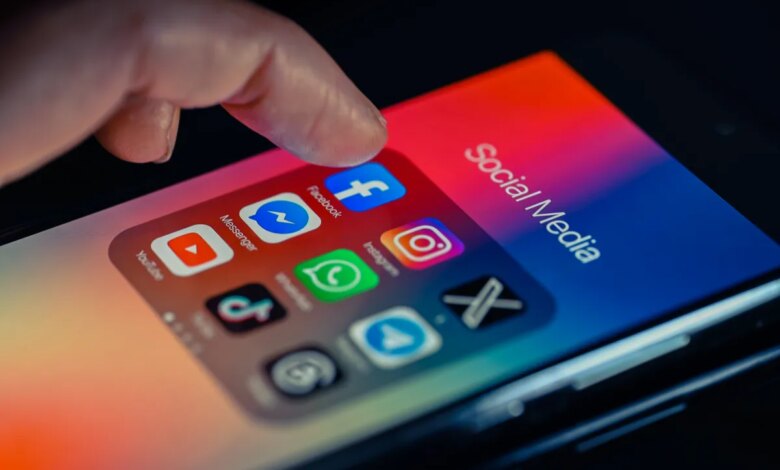
On Monday, U.K. Prime Minister Keir Starmer revealed plans to implement a ban on social media usage for individuals under the age of 16. This prohibition will extend to various platforms, including Snapchat, TikTok, YouTube, Instagram, Facebook, and X.
However, messaging applications like WhatsApp and Signal will be exempt from this rule. Additionally, regulations regarding AI tools, specifically AI chatbots designed for companionship, will require that they are accessible only to users over 18.
According to the government, this initiative will be more comprehensive than similar measures taken by any other nation. Starmer expressed that this ban may be enacted by the upcoming spring.
The U.K. is joining a number of countries aiming to protect children in the digital space. Australia was the pioneer in enforcing such a ban late last year, followed by other nations like Canada, France, and Denmark, which are currently formulating their own regulations.
These significant changes aim to “empower parents and provide children with the childhood experience they deserve,” as stated in a press announcement from the British government.
There are ongoing discussions among experts about the effectiveness of an outright ban. Starmer has recognized the hurdles this initiative faces but remains optimistic about its enforceability.
“Parents can observe the detrimental impact of social media on children,” Starmer remarked during a press briefing. “It facilitates bullying and may adversely affect their mental health by exposing them to harmful content designed to capture attention. The addictive nature of these platforms, with features like infinite scrolling, keeps users engaged for extended periods.”
He further contended that social media detracts from vital childhood experiences, such as maintaining a regular bedtime, reading, and outdoor play.
This announcement follows an earlier commitment by the U.K. government to engage parents, youth, and community organizations to gather insights on the potential efficacy of such a ban. A recent survey indicated that over 83% of participating parents believe the risks associated with social media outweigh its advantages.