Elon Musk Achieves Milestone as First Trillionaire Following Groundbreaking SpaceX IPO

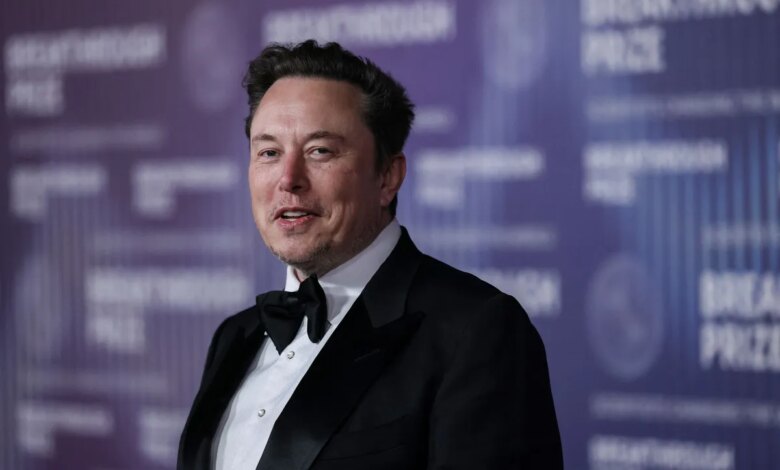
Elon Musk has become the world’s first trillionaire following the public offering of SpaceX, as reported by Bloomberg News.
As the founder and CEO of SpaceX, Musk held approximately $860 billion in shares after the company was priced at $135 per share prior to its initial public offering. When combined with his ownership in Tesla and the surge in SpaceX’s stock on its trading debut, this substantial asset base pushed Musk’s net worth to over $1 trillion, solidifying his status as the wealthiest individual globally.
During early trading on Friday, SpaceX’s shares continued to rise, further increasing Musk’s financial portfolio.
Musk’s rise to trillionaire status occurs amid a time of heightened influence and considerable public scrutiny.
Throughout 2024, Musk was heavily involved in funding Donald Trump’s presidential campaign, contributing around $300 million. He also played a role in the Trump administration by overseeing the “Department of Government Efficiency,” a body criticized for failing to reduce overall expenditure and for axing contracts without thorough evaluation.
Musk’s initiatives included dismantling entire departments, such as USAID, a move condemned by experts from Harvard University for its dire humanitarian consequences, reportedly leading to numerous fatalities.
Musk has additional financial opportunities ahead.
Last year, Tesla’s shareholders granted him a compensation package that could potentially reach $1 trillion, contingent upon the company’s growth and his ability to meet specific operational targets. While one billion of his SpaceX shares are locked in until the establishment of a human colony on Mars, Musk can leverage those shares for loans in the meantime, enabling him to access significant liquid funds without incurring taxes on that wealth.
With SpaceX now welcoming public investors, Musk retains considerable influence as the firm targets what it claims to be the largest market opportunity ever. He maintains over 80% of the voting rights, possesses the authority to choose the board of directors, and has organized the company in a manner that significantly restricts legal challenges.