5 Reasons I’m Pausing My Next Moto G Purchase Until Motorola Addresses These Issues

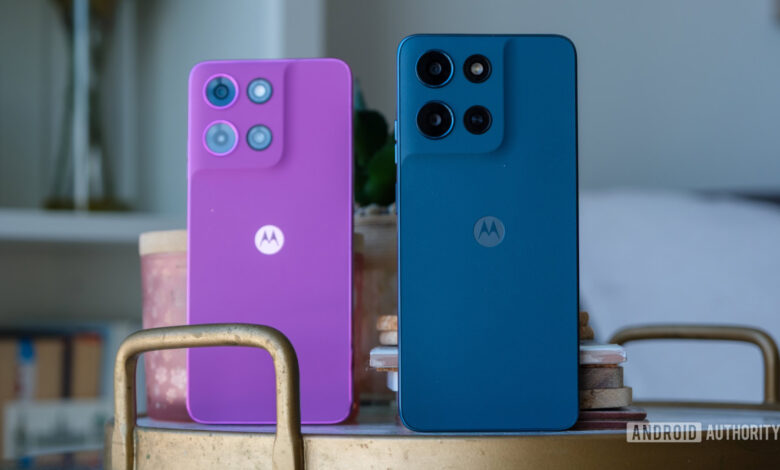
Motorola’s Moto G Series: A Need for Change
Motorola has long been recognized for its impressive range of smartphones, including both high-end foldable devices and more affordable options. The budget-friendly Moto G series has traditionally provided a solid entry into the world of smartphones without breaking the bank.
However, the Moto G lineup seems to be struggling to overcome its past shortcomings. Once upon a time, recommending a Moto G device was effortless, thanks to its streamlined Android experience. Sadly, that’s no longer the case.
In order to regain its reputation, Motorola must enhance several key areas within the Moto G series.
Performance Issues from the Start
It’s common for budget and mid-range smartphones to become slower over time, but experiencing sluggish performance right from the start is unacceptable. Some Moto G models, including the 2025 version powered by a MediaTek Dimensity 6300 processor, have performed well in benchmarks but felt underwhelming in everyday use. This raises questions about the longevity of the device, particularly for those invested in budget phones seeking long-term usability. To improve the user experience, Motorola needs to focus on better processors and system optimization.
Rising Bloatware Concerns
Initially, Motorola gained a loyal following for its nearly stock Android experience, a significant advantage over competitors like Xiaomi and Realme. However, recent models have started to include unnecessary pre-installed games and third-party applications. Although many of these can be uninstalled, the presence of bloatware can slow down devices, especially those with lower RAM configurations, leading to disappointment among users who expect a cleaner interface.
Insufficient Update Commitment
Budget-conscious consumers often prioritize the longevity of their devices, making it crucial for manufacturers to provide reliable software update commitments. While many competitors guarantee extended software support for their premium offerings, Motorola has fallen behind. Recent Moto G models promise a couple of years of updates, but that isn’t enough for users hoping to keep their phones for an extended period. Without a robust long-term update strategy, Moto G users may miss out on important security patches and software features typically reserved for more expensive competing models.
LCD Screens Instead of OLED
Although LCD technology has improved significantly, OLED displays have become more prevalent even in budget smartphones. Many competitors offer OLED screens at similar price points, yet Motorola continues to rely on LCD panels, reserving OLED technology for higher-end devices. While high refresh rates may benefit entry-level models, users are likely to notice the quality of the display first. OLED screens provide better contrast and an overall enhanced user experience, adding to a more premium feel.
Subpar Secondary Cameras
The trend of adding multiple camera lenses to budget smartphones can be overwhelming. However, consumers expect decent camera functionality even in lower-priced devices. While some Moto G models like the 2026 Moto G Power have managed to deliver acceptable performance, others fall short. There’s a need for improvement in terms of providing reliable ultrawide and primary lenses across more models.
Motorola’s Moto G series was once a reliable choice for budget-conscious consumers. However, it’s clear that substantial improvements are needed to align with today’s competition and customer expectations. The brand must seriously reevaluate its strategy to reinvigorate the line and win back consumer trust.