Rita El Khoury
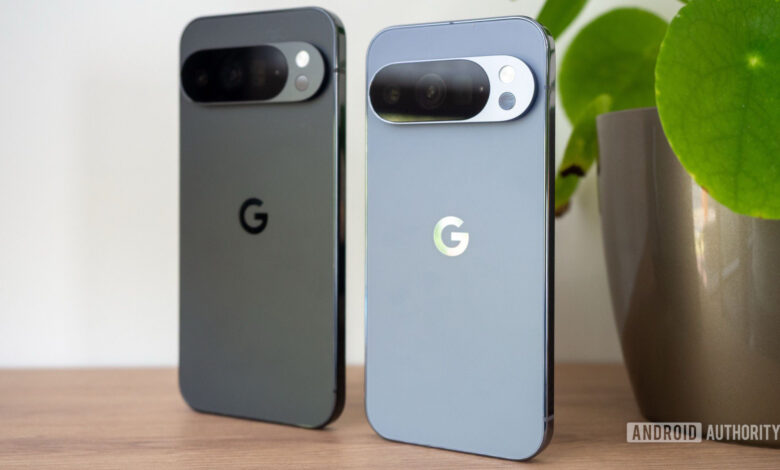
First impressions are crucial, and Google has learned this lesson through its Tensor chipsets. As we approach the debut of the company’s sixth-generation custom SoC, many questions remain unanswered. Our recent survey indicated user frustrations and worries about purchasing a Pixel 11 until the capabilities of the Tensor G6 are clarified.
Having experienced all Tensor chipsets, my perspective contrasts with that of poll participants. While the path hasn’t been straightforward and market challenges have limited Google, claims of disaster may be exaggerated. Here’s a breakdown of Google’s missteps with Tensor, along with my hopes for the near future.
Are you finished with Google’s Tensor chipsets?
232 votes
Google’s Rocky Start with Tensor
Robert Triggs
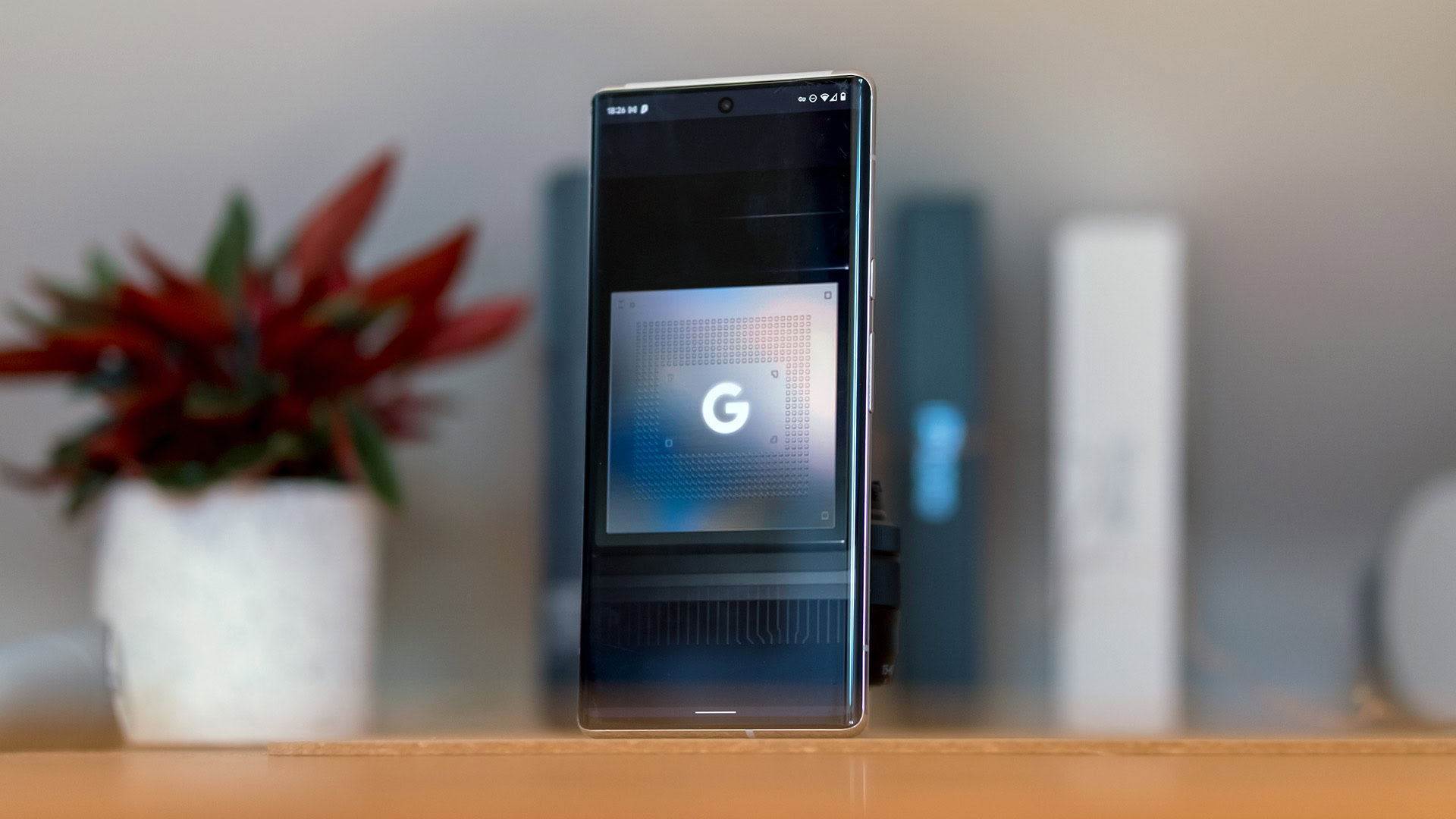
When I write positively about Tensor chipsets, I often receive a backlash. Investigating further, I find many negative comments come from disheartened Pixel 6 and 7 users. I understand this frustration. Like many, I was captivated by the excitement around the Pixel 6, which seemed to present a coherent vision for Google’s smartphones, complete with a custom chipset.
However, the reality proved far from ideal. The first-generation Tensor faced overheating issues, impacting performance and battery longevity. Some subsequent updates helped improve the situation, but it was a challenging few months for Pixel 6 users.
The Tensor G2 in the Pixel 7 series saw some improvements in overheating frequency; however, the polished aluminum frame still became warm during use, again affecting battery life. This poor beginning led many consumers to lose faith in the Pixels and Tensor chipsets.
Turning Point with Google Pixel 8
Stephen Radochia
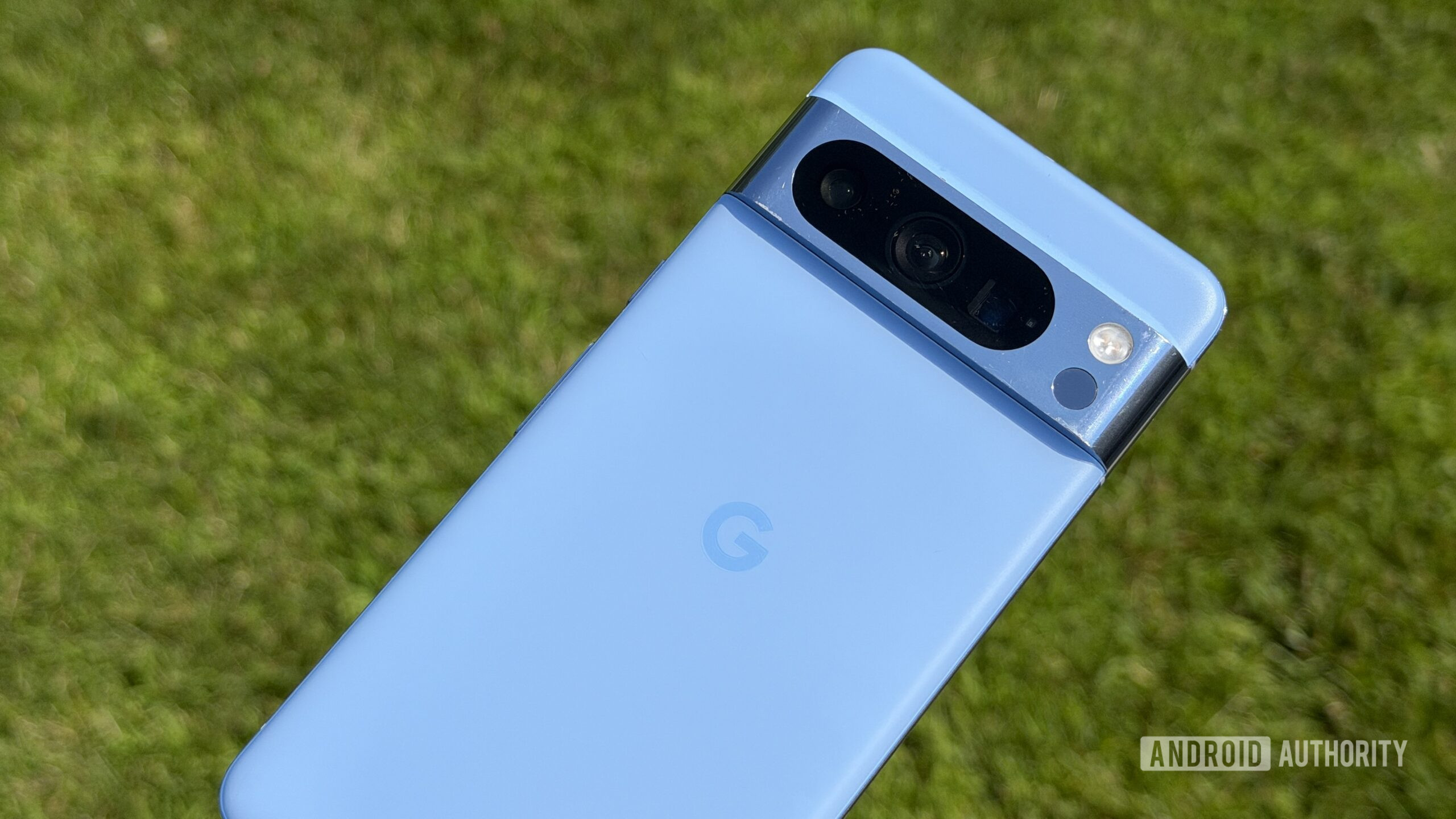
I was thoroughly impressed with the Pixel 8 Pro upon its release. This was the first Pixel model that exhibited the battery life expected from a flagship phone. While some users still reported heating issues, they were notably decreased. Although Tensor chipsets may not have matched the benchmark prowess of Snapdragons, this was not a factor on the Pixel 8 Pro, which provided a smooth user experience and sufficient software enhancements to satisfy users.
My experiences with the Pixel 9 Pro XL and Pixel 10 Pro XL have been similarly positive. Google enhanced its modems, and each generation of Tensor offers improvements. The current Tensor G5 has performed admirably for me. While it may not match other flagships in gaming performance, many titles run smoothly on my Pixel 10 Pro XL, albeit with some lag at the highest settings.
It’s essential to understand that Pixels aren’t particularly aimed at enthusiasts, which may frustrate some buyers expecting flagship performance at high prices. However, general satisfaction amongst Pixel owners has increased significantly. While benchmark comparisons may not always favor the Pixels, casual users often express delight in features like Quick Share, which works well with Apple’s AirDrop. Ultimately, the user experience remains strong, aligning with Google’s intent for the Tensor line.
Despite these advancements, the market is evolving.
The Challenges Facing Tensor G6
Soaring prices have placed Google in a difficult position ahead of the Pixel 11’s release. While I respect their intentions, when prices approach those of Samsung’s Galaxy S26 Ultra—offering similar AI capabilities and Android features—justifying differences based solely on user experience becomes a challenge. Although I favor Google’s Material 3 design and Android 17 on my Pixel 10 Pro XL, customers paying close to $1,400 rightfully demand more.
Leaks indicate that Google realizes this and is working to enhance the Tensor G6’s power. However, it’s uncertain whether the company can successfully turn things around in just one generation. I sincerely hope they can, as I appreciate the strides they’ve made recently. Pixels have genuinely become enjoyable to use, even if they don’t cater to every type of buyer. But to succeed, Google will have to deliver an exemplary Tensor G6 right from the start.
Google’s journey with Tensor chipsets has been challenging, and I can empathize with anyone who experienced disappointments with earlier models. Nonetheless, I can only assess what is presented to me. Pixels are undoubtedly improving, and it seems unjust for Google to bear the weight of past mistakes indefinitely. The Pixel 11 has big shoes to fill, especially with a potentially higher price tag, but overall, I’m satisfied with Google’s progress in its chipset development.
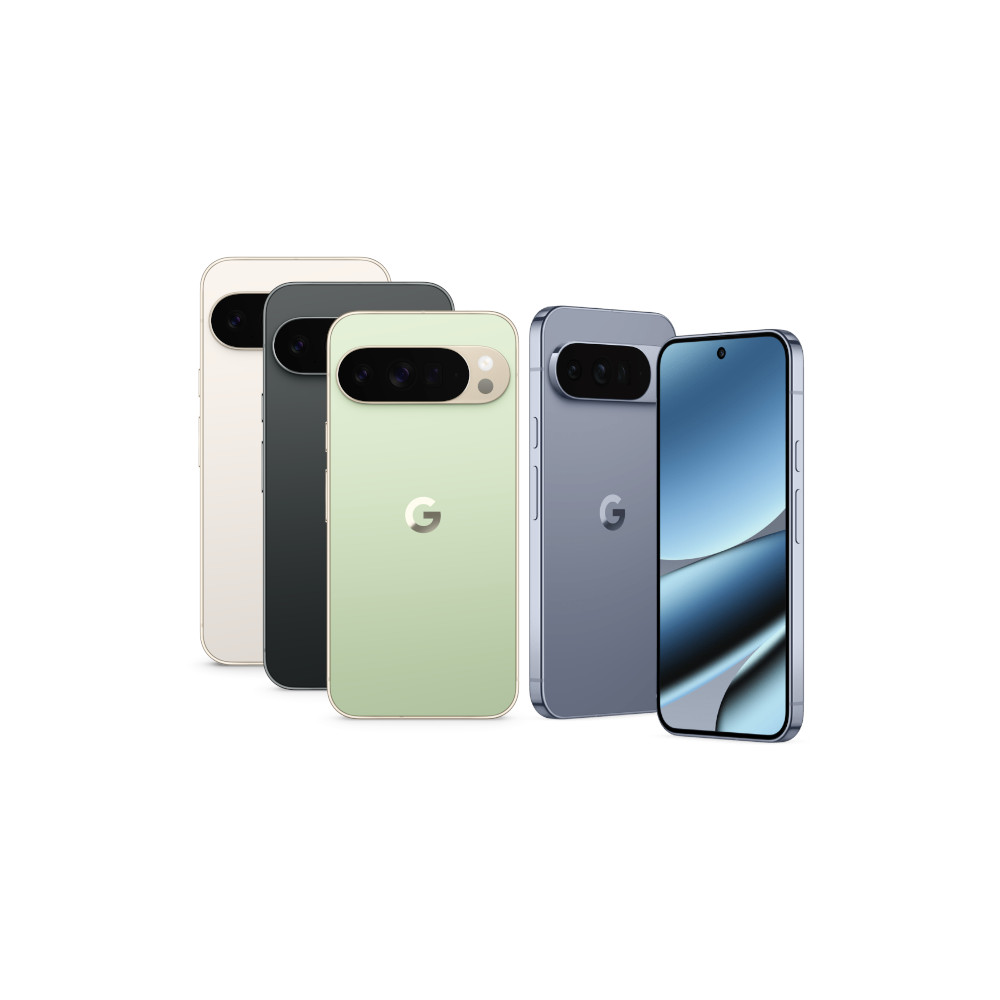

Google Pixel 10 Pro XL
Exceptional build quality • Improved camera features • Seamless software experience
The pinnacle of the Pixel 10 range is the Google Pixel 10 Pro XL, featuring a 6.8-inch display, Tensor G5 chipset, 16GB of RAM, UFS 4.0 storage options, an advanced triple camera array, and a battery exceeding 5,000mAh, enabling users to tackle even the most demanding tasks.
Thank you for being part of our community. Please review our comment policy before posting.