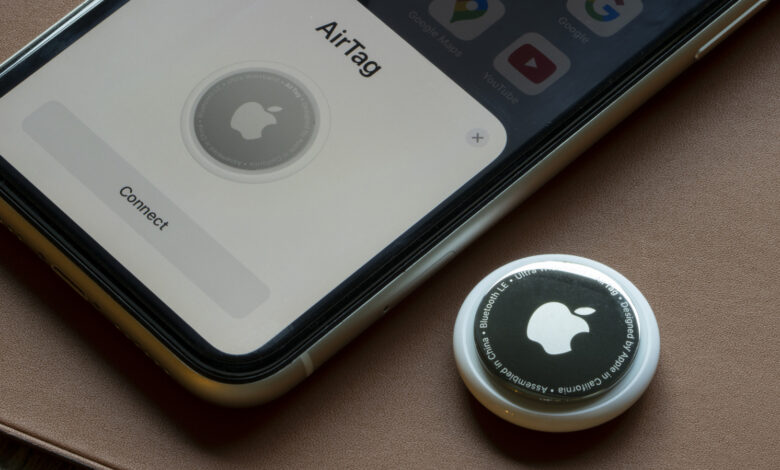
Airline regulations regarding batteries can be stringent, but AirTags are generally deemed acceptable.
Traveling can lead to various challenges, from crowded airport security lines to frustrating delays. Among the most common concerns for travelers is lost luggage. Using an AirTag to track your suitcase can help ensure that your belongings are safe, or at least indicate where they might have been misplaced.
However, the effectiveness of AirTags can be limited, particularly in regions with fewer iPhone users, such as Eastern Europe or South America. AirTags depend on the presence of Apple devices to function properly. Some airlines have started to utilize Apple’s Share Item Location feature to identify misplaced bags, but this isn’t consistent across the board; thus, you may only be able to determine that your bag is not at its intended location.
With numerous rules concerning battery usage during flights, it’s essential to know whether the TSA permits AirTags.
TSA Regulations on AirTags
The Transportation Security Administration (TSA) has clear restrictions regarding lithium batteries on flights. For non-rechargeable lithium metal batteries, there is a limit of 2 grams of lithium content, while rechargeable lithium-ion batteries may have a maximum rating of 100 watt hours (Wh). Batteries that exceed this limit require special airline approval. An AirTag uses a CR2032 coin cell battery that contains under 0.1 grams of lithium, well within the allowable limit. As AirTags are not rechargeable, the watt-hour restriction does not apply, and even if it did, AirTags remain compliant with a power rating under 0.7 Wh.
Globally, this allowance for AirTags is largely accepted. An amendment made by the International Civil Aviation Organization in 2023 aims to lift bans on AirTags set by certain airlines, stating that devices containing lithium batteries can stay powered on during flights, provided their lithium content is under 0.3 grams or if their lithium-ion battery output is below 2.7 Wh. This means your AirTag is generally permitted on your travels.
Why Lithium Batteries Raise Concerns for the TSA

The main danger associated with lithium-ion batteries is a phenomenon known as thermal runaway, which can lead to uncontrolled overheating, smoke, and even fires—situations that are particularly hazardous on an airplane. This can occur due to various factors, including damage, poor packing, or manufacturing defects. While this risk can apply to any lithium-ion battery, it tends to occur more frequently with portable chargers. Since the Federal Aviation Administration began monitoring incidents related to lithium-ion batteries in 2006, there have been over 700 reports, with nearly 40% linked to portable battery packs.
Given the high usage of lithium-ion batteries in electronic devices, a complete ban is impractical, leading to more regulations. The TSA mandates that any device containing lithium batteries must be carried in the cabin rather than checked baggage, as a thermal runaway incident in the cargo hold could escalate unnoticed. As a result, many airlines have specific policies concerning portable chargers, often requiring them to remain visible throughout the flight or limiting the number of chargers per passenger.
Regulations can be stricter for international flights. For instance, the UK Civil Aviation Authority advises against using portable chargers for other devices during a flight, while the Hong Kong Civil Aviation Department has enacted a usage ban following incidents involving power banks. Some airlines, including Virgin Australia and Qantas, have gone so far as to prohibit the use of portable chargers on board altogether. Therefore, it’s wise to check the specific regulations surrounding lithium battery devices for each airline and country before traveling.