Recently, XPENG hosted the global launch of its L03 model in Munich, and I anticipated a typical electric SUV introduction. What unfolded was far more compelling—a vision of a company poised to reshape the automotive landscape with AI-driven vehicles, autonomous taxis, and even flying machines integrating into one cohesive strategy.
The L03 embodies XPENG’s ambition to appeal to global markets. With a stylish SUV coupe design, a refined interior, and sophisticated driver assistance features, this model serves as a bridge for consumers to explore the brand. My prior exposure to XPENG’s innovations in China and its latest advancements in Europe underscored that the L03 is merely a component of a far-reaching strategy.
One notable downside for U.S. consumers is that XPENG has yet to market its vehicles there; however, Canada prospects appear more feasible. Yet, the event in Munich showcased why XPENG is a company to monitor as the auto industry transitions to AI-centric models.
XPENG financed my travel, lodging, and meals for this trip. That said, all editorial insights and viewpoints shared are solely my own.
The L03: A Pivotal Offering for XPENG
A Modern Electric Vehicle Aimed at Mass Adoption
The L03 is ostensibly the vehicle that will position XPENG favorably among mainstream consumers. Unlike the company’s more upscale offerings, this model is crafted to appeal broadly, merging practical SUV attributes into a sportier coupe form.
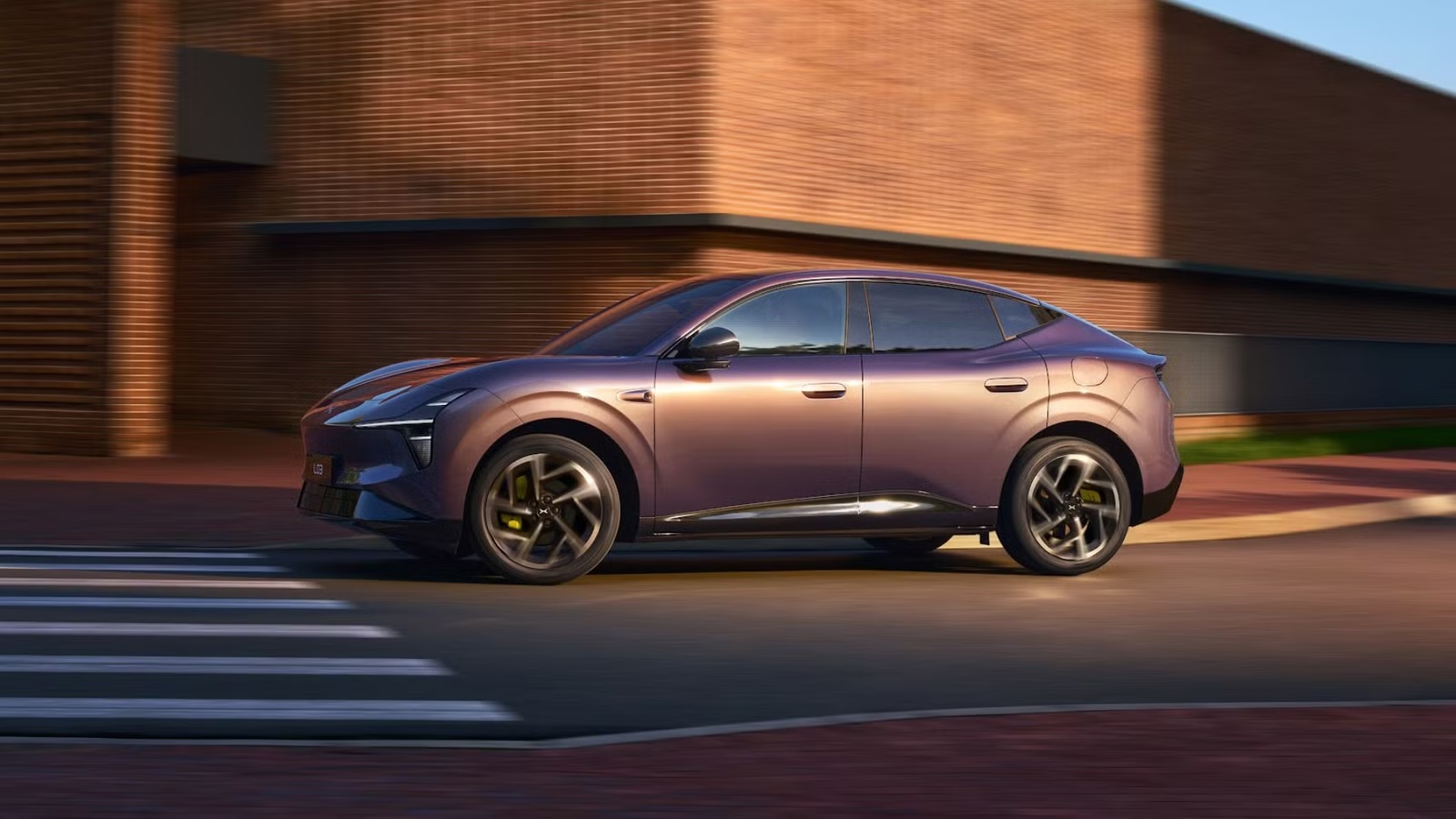
Designed under the guidance of former Ferrari exterior design director JuanMa Lopez, the L03 features an attractive low profile, frameless doors, and a slick fastback silhouette that elevates its aesthetic beyond the usual offerings in its market segment. Its impressive drag coefficient of 0.228 is a testament to its design efficiency, ensuring the SUV’s size does not compromise aerodynamics.
Observing the L03 up close, I was impressed with its polished design. It transcends the feel of a mere concept vehicle; it positions itself as a serious competitor against established brands worldwide.
Inside, XPENG has made deliberate efforts to elevate the cabin experience. The L03 features lounge-like seating arrangements complemented by a 15.6-inch central display, ambient lighting, and intelligent climate controls, all while providing ample storage options.
XPENG claims that the L03 offers 37 different storage compartments, a generous cargo space, and capabilities to haul up to 3,300 lbs—demonstrating a solid understanding that buyers need practical solutions in addition to technological innovations.
Transforming the Cabin into an AI-Driven Experience
XPENG Envisions Vehicles as Smart Assistants
The most striking differentiation between the L03 and conventional SUVs becomes evident during interaction. XPENG aims to infuse the car with an intuitive, responsive intelligence.
Central to this is the Global Intelligent Cockpit Experience running on the XOS 6 platform. Its updated AI voice assistant is engineered to grasp natural language and contextual dialogue rather than rigid commands.
This innovation means that drivers won’t need to memorize specific phrases or navigate complex menus. For instance, the assistant can interpret requests to adjust cabin temperature or open a specific window, recognizing the voice of the person giving the command.
Additionally, the L03 is the first model outside of China to incorporate Google Maps integration directly into its navigation system, eliminating the need for smartphone mirroring while offering comprehensive features tailored to electric vehicles.
This strategy illustrates XPENG’s commitment to not just competing on range and performance—but leveraging software and intelligence to forge a new era of transportation.
XPENG’s VLA 2.0: The Core of its Ambitions
The Advanced Technology Powering the L03
While the L03 itself makes a strong impression, the true excitement lies beneath the surface. XPENG is concentrated on AI solutions that allow vehicles to understand their environments and respond aptly to real-world challenges.
At XPENG’s headquarters in China, it became clear that the firm perceives AI not as a standalone feature, but as the foundational aspect shaping the future of mobility. During the Munich event, XPENG showcased progress with its VLA 2.0 technology, focused on advancing beyond basic driver assistance to a more natural, intuitive AI that can navigate complex situations.
The VLA 2.0 system has already been tested in China, collecting significant driving data within its first month. Trials in Munich demonstrated its adaptability to European road conditions, effectively engaging with pedestrians, understanding new signage, and maneuvering through diverse driving scenarios.
For international markets, XPENG anticipates rolling out these advanced features by 2027, contingent on regulatory approvals.
AI’s Role in XPENG’s Grander Strategy
Embedding AI Across the Company’s Vision
The L03 is simply a piece in XPENG’s extensive Physical AI approach, which interlinks its vehicles with projects involving autonomous driving, robots, and future mobility solutions. At the Munich launch, XPENG emphasized its ambitious vision of leveraging a centralized intelligence framework across varying machines, from passenger vehicles to humanoids and aerial units.
During my visit to China, I encountered XPENG’s IRON humanoid robot, capable of interacting fluidly with visitors. This display cemented the perception that XPENG is not a conventional car manufacturer but a technology company focused on creating versatile AI-driven solutions.
Furthermore, XPENG’s ARIDGE division is working on flying vehicles, exemplified by its “Land Aircraft Carrier,” which merges a road-ready car with an aircraft. My firsthand observation of its flying capabilities was one of the trip’s highlights, making the ambitious vision increasingly tangible.
Although there are regulatory and societal acceptance hurdles to overcome, XPENG is paving the way for groundbreaking innovations that extend beyond standard automotive advancements.
XPENG’s Challenges and Market Positioning
Transforming Innovation into Global Recognition
The crucial question for XPENG isn’t whether it can innovate, but whether it can effectively introduce its technology to diverse markets and gain household acceptance outside China. While XPENG aspires to reach North American consumers, regulations and market complexities present substantial challenges. At this time, their primary focus is on Europe and regions where they aim to establish a considerable footprint.
With a dedicated R&D center in Munich, XPENG is customizing its vehicles for European roadways and consumer expectations. However, rolling out advanced systems globally requires navigating legal landscapes, building consumer trust, and proving that AI-driven features are reliable and practical.
Recognizing the hurdles ahead, XPENG intends to differentiate itself through software and AI rather than merely vehicle price, range, or aesthetics. As the industry evolves, the ability to instill confidence in consumers coupled with regulatory compliance will be paramount.
In conclusion, XPENG’s initiatives mark a significant move into a future where the car becomes an intelligent platform rather than just a mode of transport. While their vision may still be in its infancy, witnessing their technology in action convinces me they are a name to watch in the automotive evolution.