“Christopher Nolan, Director of ‘Odyssey,’ Labels AI as a Clear ‘Trojan Horse’”

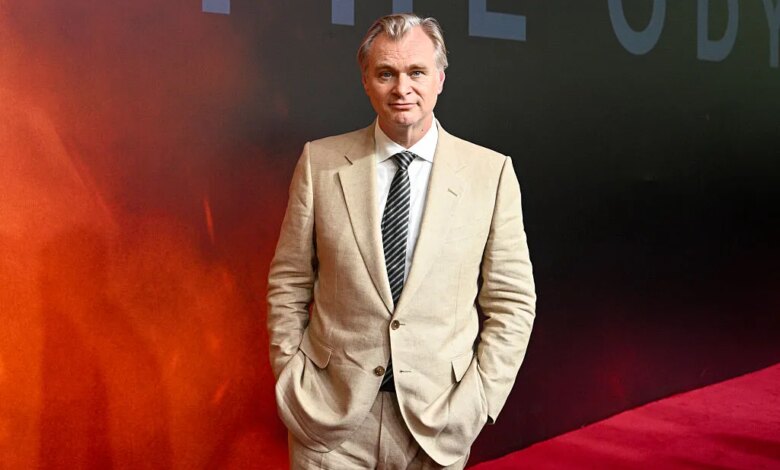
Acclaimed filmmaker Christopher Nolan, whose latest adaptation of “The Odyssey” is performing well at the box office, expressed his optimism about the skepticism surrounding AI, particularly among younger audiences.
In a discussion with interviewer Hugo Travers, who runs a YouTube channel called HugoDécrypte, Nolan reflected on the concept of the Trojan horse, which plays a significant role in his film. Travers suggested that, much like the horse that concealed Greek soldiers, AI might initially appear beneficial but could eventually turn into something more sinister.
With a chuckle, Nolan remarked, “I see AI as a Trojan horse that everyone recognizes the Greeks are hiding inside.” He elaborated by calling the technology a “transparent horse, made of glass.”
“I’ve never encountered a technology that is growing so quickly yet faces such outright rejection from the public,” he noted. “The skepticism, especially among the younger generation, is extraordinarily intense. Young people refer to AI-generated content disdainfully as ‘AI slop’ and categorize it accordingly.”
Nolan described this skepticism as “very constructive,” stressing that while technology can offer tremendous benefits, it must be approached with caution. He emphasized the importance of questioning the intentions of those who create and promote such technology, arguing that this is crucial for maximizing its potential rather than adopting a naively optimistic view that everything will turn out well. (In the midst of this, SpaceX CEO Elon Musk has been vocally critical of the film’s diverse cast.)
While Nolan refrained from detailing the specific dangers he associates with AI, the technology has raised considerable alarm in Hollywood, particularly evident during the recent writers’ and actors’ strikes. The Directors Guild of America, which Nolan presides over, secured important protections against generative AI in its latest agreement.
Known for his critical stance on various emerging technologies, including smartphones, Nolan’s commitment to traditional filmmaking positions him as both a traditionalist and a trailblazer, making “The Odyssey” the first feature film shot entirely on IMAX film and equipment.
When asked by The New York Times whether he considers himself a technophobe, Nolan replied, “I see myself as a techno-skeptic,” stressing his preference for film as it more accurately mirrors human vision compared to any digital format.
“I’m open to new technologies, but they are often promoted in ways that undermine existing systems that remain effective,” Nolan pointed out. “I witnessed this in my industry—almost discarding film altogether!”




