Amazon is betting on ambient computing as the future of personal AI rather than focusing solely on apps.
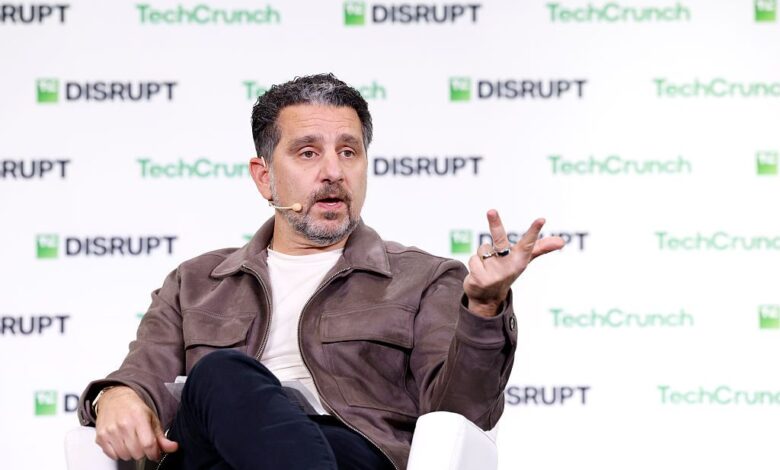
During the unveiling of the company’s latest AI wearable devices from Bee, Panos Panay, Amazon’s Senior Vice President of Devices, Alexa, and Leo, spoke at TechCrunch Disrupt on Thursday about the future direction of personal computing.
“Typically, our current interaction with technology involves remembering what we need to command our devices,” Panay said, highlighting the traditional engagement people have with smartphones. “It’s just a matter of point, shoot, and then return,” he added. “What I envision is a future dominated by ambient devices.”
By “ambient devices,” he refers to technologies that operate seamlessly in the background, utilizing sensors and AI to proactively assist users rather than requiring direct commands.
“With these devices functioning quietly, you can stay engaged in the moment, accomplish more tasks, and enjoy time with others without the fear of missing out. It’s a remarkable shift,” said Panay.
Amazon’s significant contribution to this domain is the recent launch of Bee devices, which include a wearable band that can be adapted as a pendant and a sleek, credit-card-sized gadget that magnetically attaches to smartphones.
These devices are designed to passively record audio and take notes throughout your day, capturing tasks, reminders, and insights for future reference. To address privacy concerns, the Bee devices do not retain raw audio from conversations; instead, they process the sound in real-time and promptly delete it afterward. Transcriptions are encrypted through keys generated by the device itself, ensuring that no one, including Amazon staff, can access that data unless you choose to share it.
Panay emphasized the importance of privacy in the design of these ambient devices.
“Customers need to have control over their data,” he asserted. “Each product is unique, but for Bee specifically in this ambient category, we make privacy a priority in our design process. It is essential.”
With a background of 19 years at Microsoft focused on Surface device development, Panay has dedicated significant time to contemplating the future of personal computing. He envisions that with Bee and broader ambient computing, the emphasis on app interactions will diminish as AI takes on more tasks autonomously.
“I believe we will see a future where a generation won’t just ask for an app; they will expect the technology to understand their needs automatically. I truly think this change is on the horizon,” he stated.
Panay acknowledged that while smartphones remain vital in personal computing, new devices will emerge equipped with sensors designed to enhance user understanding and integrate intelligence into daily experiences.
“I’m not suggesting that one type of device will entirely replace another. That isn’t the case. I believe there will be an intelligence framework connecting everything together… and it must offer utility,” he clarified.