Europe Unveils Its Own TBPN-Inspired Live Show, and Everyone’s Seeking a Chance to Shine

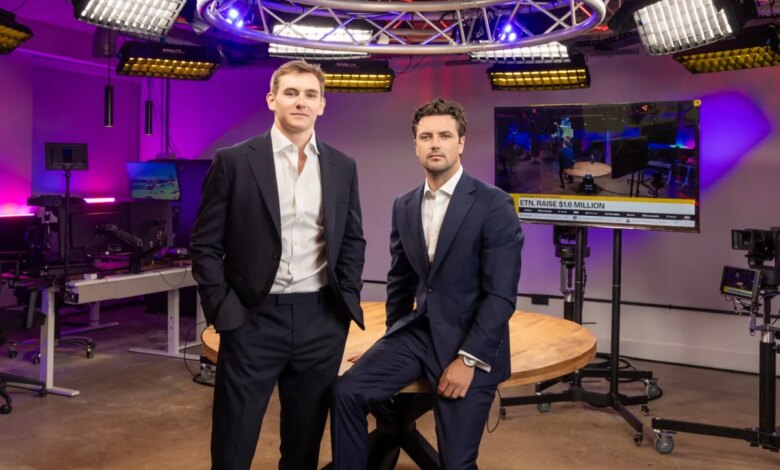
The European Technology Network (ETN) is set to begin broadcasting five days a week starting June 27.
Founded by Luke Knight and Ronan Chambers in London last October, ETN initially operated with a two-day-a-week live stream focused on technology news and trends. The show, which streams on various platforms, has already attracted over 5 million views.
On Monday, ETN secured $1.6 million in seed funding from notable entities in the media sector, including Powerhouse Capital and Axel Springer SE, which owns several media outlets. Alongside these investments, they received support from influential figures like one of the co-founders of LadBible and angel investors affiliated with OpenAI and DeepMind. This funding is paving the way for significant expansion for the network.
ETN will relocate to a larger studio in Kings Cross, an area known for housing numerous AI startups in London. The team, which currently consists of eight members, will grow, and they will launch a newsletter while transitioning to a live show that airs five days a week. Upcoming guests include prominent figures like George Robson from Sequoia and former UK Prime Minister Rishi Sunak, who now advises Anthropic and Microsoft.
In a recent interview, Knight and Chambers expressed that ETN has quickly established itself as a key stop on the promotional circuit for European startups. They have already featured several innovators, including the founders of Synthesia and Granola, along with Kanishka Narayan, the UK’s first AI Minister. The duo has even hosted American investors visiting London, showcasing the growing international interest in the show.
Chambers highlighted that ETN emerged due to a significant gap in the media coverage of the rapidly evolving tech landscape. He noted that London startups have attracted $14.7 billion in funding this year, with six companies securing over $500 million each, marking unprecedented growth in Europe’s tech sector.
Chambers explained that as the show gained traction, they received around 70 proposals weekly from guests eager to participate, leading to a scheduling challenge. The increase in demand for interviews prompted the decision to expand the show’s frequency from two to five days a week.
The new schedule will closely resemble the existing format, featuring a live broadcast from noon to 3 p.m. UK time, which includes discussion of trending topics followed by guest appearances for in-depth conversations. Additionally, they plan to introduce debates, roundtables, and even pitching sessions akin to ‘Shark Tank.’
Chambers reiterated their goal to serve as a platform for open dialogue about AI, venture capital, and innovative developments within Europe’s tech ecosystem. They aim to foster more discussions surrounding the impressive advancements in the sector.
The network generates revenue through advertising, similar to many media outlets, and has already attracted major sponsors such as Polymarket, blockchain company Base, and AI audio startup ElevenLabs.
When reflecting on the influence of TBPN, the duo acknowledged its founders, realizing they have contributed significantly to this new tech media landscape. They strive to create a welcoming space for tech figures to discuss their latest endeavors and achievements. Chambers further mentioned, “If we can have an ITV and a BBC, why wouldn’t we have a regional version of this?”
Despite primarily operating from London, Chambers and Knight are committed to featuring guests from across Europe. They plan to attend key tech conferences, offering insights from events like the RAISE AI Summit and the Panathenaea Conference.
Chambers noted that the diverse cultures and perspectives within Europe create a rich environment for innovation, a strength he believes differentiates the continent. They remain open to featuring American entrepreneurs to enhance global conversation, emphasizing the potential for collaboration between European and American tech ecosystems.
Both Knight and Chambers view themselves not just as journalists but as curious insiders, eager to explore the tech industry. They stress their intention to work alongside traditional media rather than replacing it, acknowledging its role in sourcing news for their discussions.
Ultimately, the duo aims to highlight the emerging narratives from the new wave of European tech successes, inspiring future generations to recognize technology as a catalyst for progress and innovation.
Chambers concluded, “When young people see these success stories, it inspires them to reconsider traditional career paths in banking or consulting, driving them towards entrepreneurship and startup culture.”