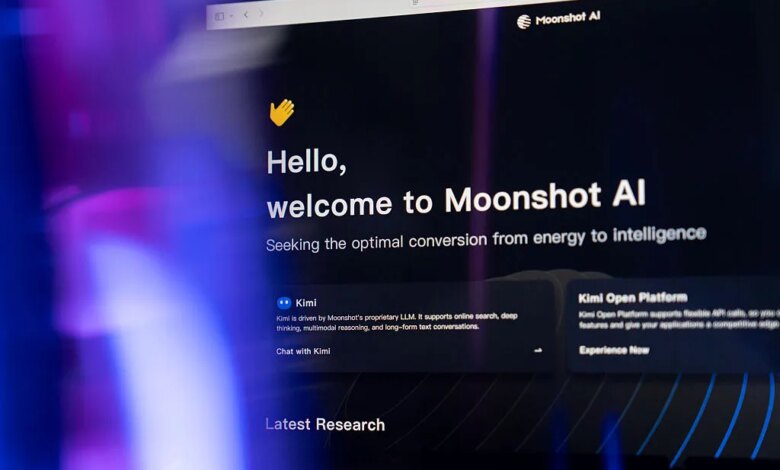
The introduction of Moonshot AI’s new model, Kimi, has sparked renewed discussions about the competitiveness of American technology and the debate over open versus proprietary artificial intelligence.
While social media is buzzing with opinions, there are also significant conversations unfolding in Washington, D.C. Reports indicate that companies like OpenAI and Anthropic are actively lobbying regulators, expressing concerns regarding the emergence of open Chinese AI models.
In a recent episode of TechCrunch’s Equity podcast, hosts Kirsten Korosec, Sean O’Kane, and I explored why this topic has garnered such intense scrutiny. Beyond suggesting that some individuals might benefit from stepping outside and enjoying nature instead of engaging in online disputes, Sean observed that this situation feels reminiscent of past tech industry reactions, where people anticipate a groundbreaking innovation that could outshine all others.
Kirsten pointed out the potentially skewed benefits of imposing strict regulations on Chinese AI, questioning whether such actions would genuinely promote American leadership in the AI arena or simply favor a select group of advanced laboratories.
Here’s a condensed version of our discussion, with edits for brevity and clarity.
Anthony Ha: For those familiar with earlier discussions about Chinese AI, this situation echoes past events, particularly with the launch of DeepSeek, where a Chinese model emerged and seemed competitively viable against leading models, triggering a strong reaction within the tech community.
This recent furor was amplified by a post from an executive at OpenAI, highlighting the persistent question: Can Chinese firms outperform their American counterparts in certain areas at a lower cost and with greater openness?
Sean O’Kane: Much of this reaction mirrors previous panics. There’s an underlying urgency, with many anticipating a revolutionary arrival that might render everything else obsolete. An illustrative example surfaced this past week when people showcased how Kimi replicated macOS visually in just thirty minutes. While impressive, it did not constitute a functioning operating system.
The tech sector continues to exhibit a heightened sense of anxiety, particularly surrounding new Chinese models. This eagerness contributes to why last weekend’s reactions were so pronounced, though now, one week later, the same urgency seems to have subsided.
Kirsten Korosec: One of our reporters, Tim Fernholz, delves into the anxiety prevalent in the U.S. He identifies several factors, with a prominent theme emerging: protectionism, addressing whether the U.S. or China will dominate the technology race. This notion significantly influences current fears.
Do you agree with that perspective, Anthony?
Anthony: Absolutely. The Chinese component introduces a particular hysteria into discussions. While it’s essential to consider America’s position against China across various industries, the intensity often escalates when China is involved.
This situation reminds me of the prior discussions surrounding TikTok. The concerns were valid, but the level of panic seemed disproportionate, especially with the mention of China. Here, the dialogue revolves around open weights in AI, insinuating that the technology is too powerful and dangerous to be handled by anything other than proprietary American models.
Many of those advocating for such perspectives likely have their own agendas. For instance, David Sacks, the former AI czar in the Trump administration, has been vocal about wanting to ease regulations, expressing a fear that America could fall behind if we allow open-source competitors like China to thrive.
Kirsten: If blanket bans were imposed on Chinese open weight models, it might inadvertently favor systems developed by American firms like OpenAI, limiting enterprise options to those models instead of alternatives like Kimi.
This leads us to a critical question: Are we genuinely advancing American interests in AI, or merely positioning specific labs to excel?
Sean: It’s essential to note that much of this discourse was ignited by Dean Ball, head of strategic futures at OpenAI, who made a lengthy statement addressing certain apprehensions.
I sense that part of the backlash stemmed from disagreement with Dean’s post and part from the candid nature of his remarks regarding the need for the U.S. to create regulatory fear and uncertainty to stifle competition from open weight models in China. Subsequently, he appeared to retract some of those claims.
It seems people reacted as if one isn’t supposed to speak such thoughts publicly.
When you purchase through links in our articles, we may earn a small commission. This doesn’t affect our editorial independence.