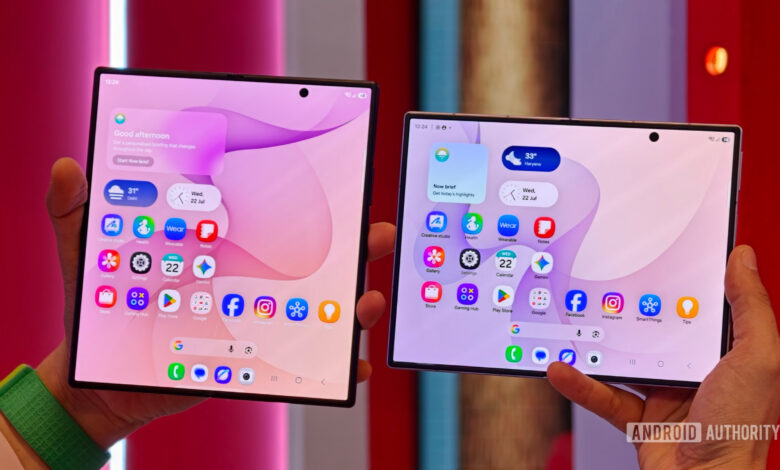
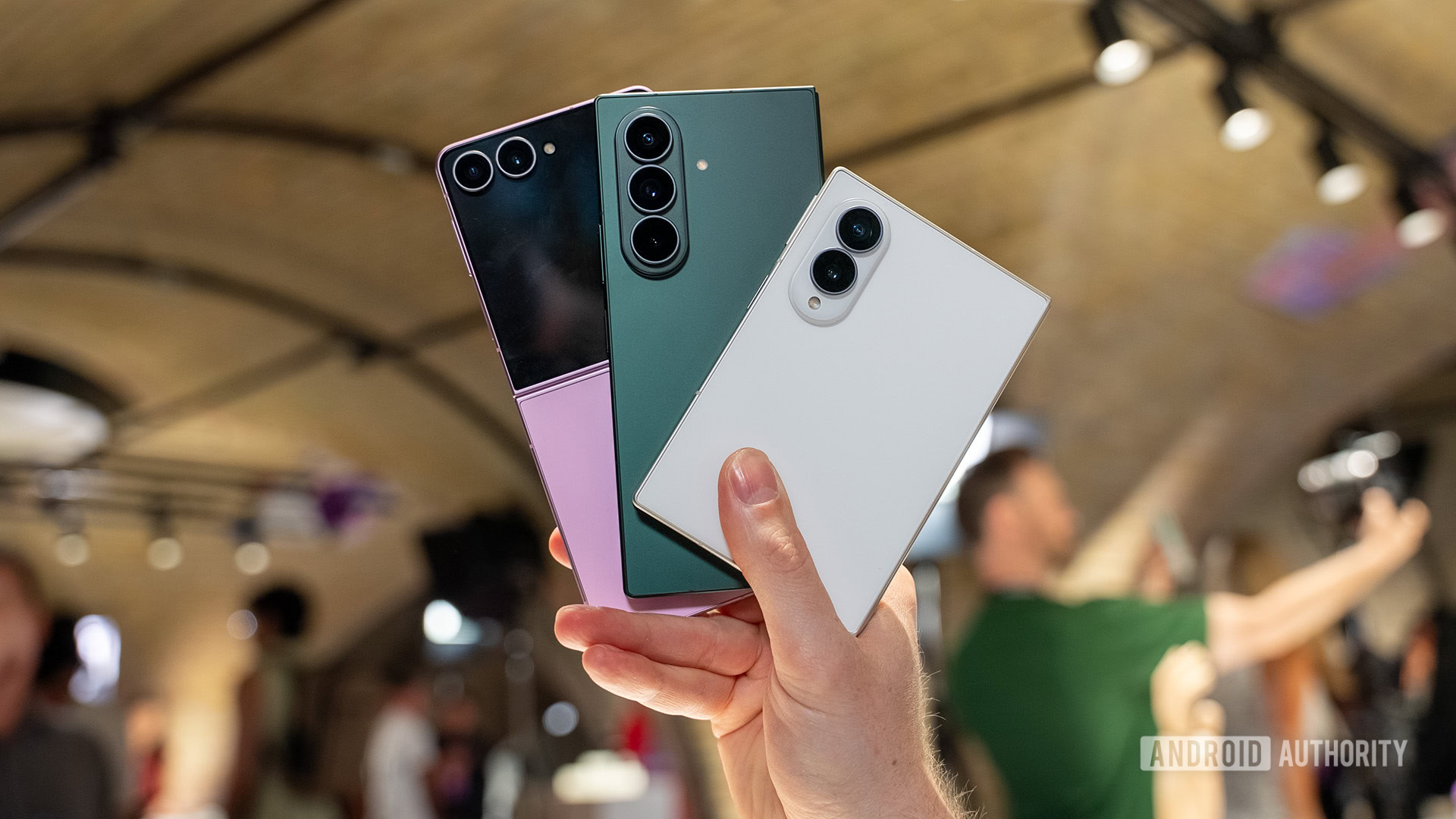
Samsung has unveiled its latest foldable smartphones, generating significant enthusiasm in the tech community. The Z Flip 8, Fold 8, and Fold 8 Ultra are equipped with advanced processors, sleek software, and innovative camera features.
A standout improvement is the incorporation of silicon-carbon batteries in all three models. This marks a first for Samsung, who has adopted this technology after many competitors. While the introduction of these batteries is a welcome development, it raises anticipation for future models like the Galaxy S27 series.
What are your expectations for the Galaxy S27 phones?
83 votes
How Samsung is Implementing Silicon-Carbon Batteries
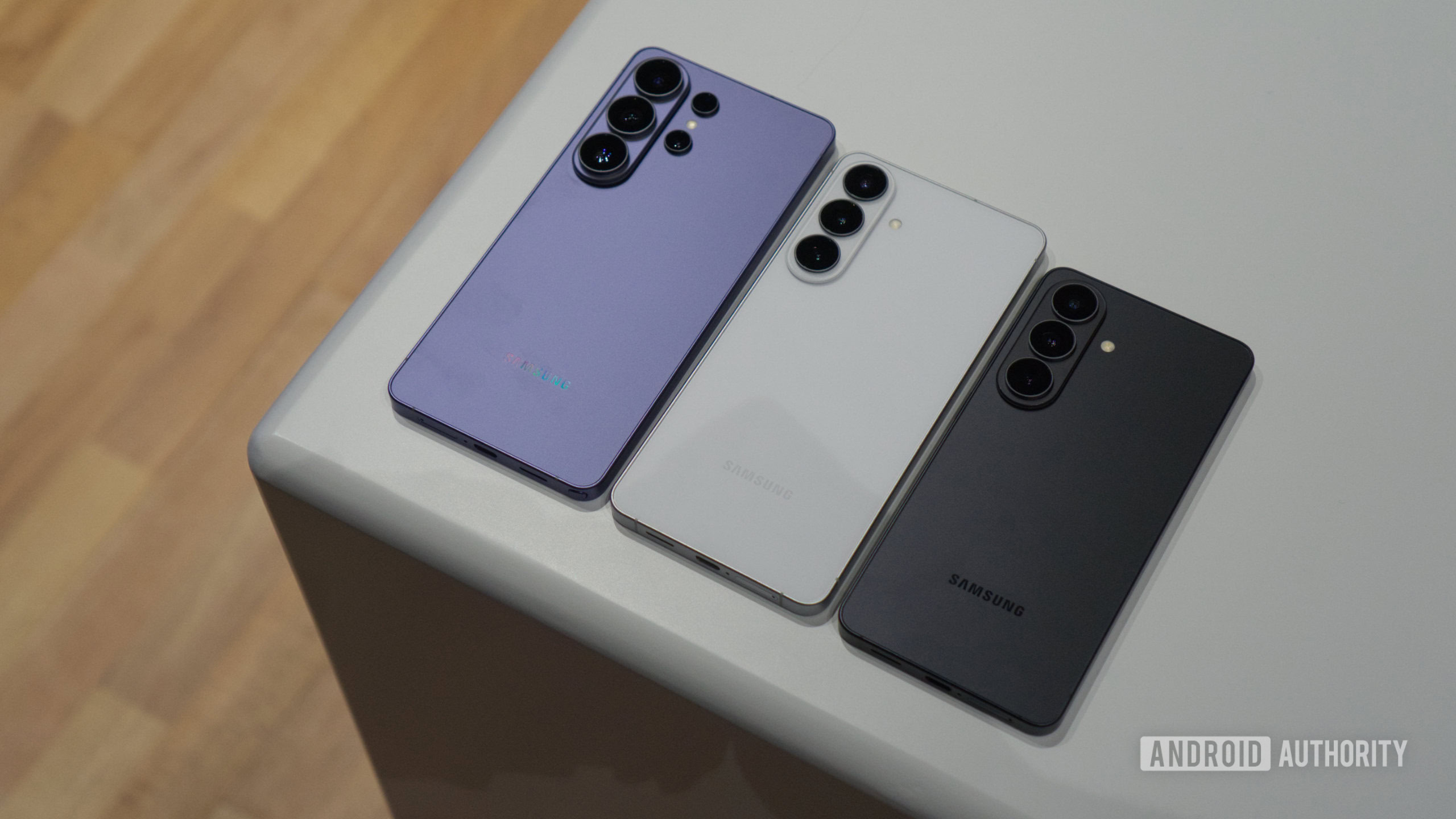
Silicon-carbon batteries present an advantage in energy density compared to traditional batteries. This allows for enhanced battery capacity without increasing size, or conversely, a reduction in battery size while retaining power levels. Samsung’s new devices utilize both strategies effectively.
The Galaxy Z Fold 8 Ultra houses a 5,000mAh battery in a chassis akin to its predecessor, which had a 4,400mAh battery. Additionally, the Galaxy Z Fold 8 features a compact design with a notable battery of 4,800mAh, while the Z Flip 8 maintains its 4,300mAh capacity in a slimmer format.
The introduction of silicon-carbon batteries sets a promising tone for the upcoming Galaxy S27 series.
While Samsung has not explicitly confirmed the inclusion of silicon-carbon batteries for the Galaxy S27 lineup, it seems likely that unless unforeseen issues arise, this battery technology will be a part of the new flagship phones.
However, silicon-carbon tech does present challenges, such as an increased risk of expansion compared to conventional batteries. Manufacturers counteract this with limited silicone content and robust structural designs. If Samsung can proficiently integrate this technology within their innovative foldables, it should be viable for the Galaxy S27 series as well.
Implications for Galaxy S27 Phones
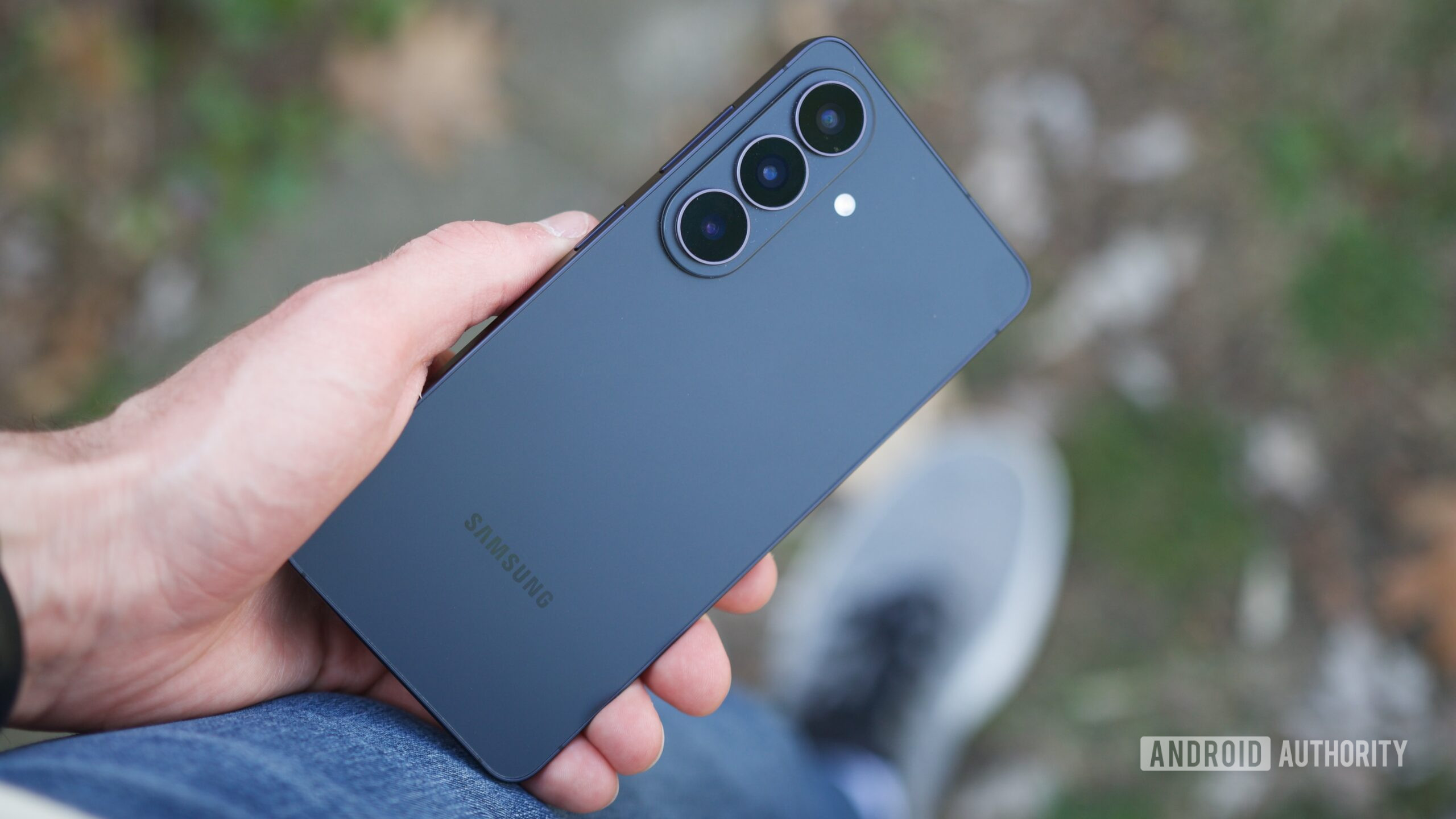
There’s considerable interest about Samsung’s approach to the Galaxy S27 series, especially regarding the base model. The Galaxy S26 featured a 4,300mAh battery along with an increase in display size from 6.1 inches to 6.3 inches. It’s reasonable to predict that the S27 might maintain battery capacity while potentially opting for a smaller display or slimmer design. Alternatively, it could decide to keep the existing design yet enhance the battery size.
The silicon-carbon technology may also positively influence the anticipated Galaxy S27 Pro, which is rumored to come with a 6.47-inch display and could feature a 5,000mAh battery, similar to the S26 Ultra.
This battery technology offers the potential for the S27 or S27 Edge to maintain endurance without extensive sacrifices.
As for the Galaxy S27 Ultra? Expectations might not align with a 6,000mAh or 7,000mAh battery like some competitors, yet a capacity around 5,300mAh to 5,500mAh seems achievable following the recent advancements seen in the Z Fold 8 Ultra. This would be the first capacity boost for the Ultra line since the Galaxy S21 Ultra debuted in 2021. Samsung may consider a smaller upgrade to lessen device weight and overall dimensions, hitting around 5,400mAh—a limit proposed by stringent regulations in the EU on larger batteries. Exceeding this would necessitate a dual-cell design to rival brands like OnePlus and Xiaomi.
Silicon-carbon batteries would be crucial should Samsung decide to release a Galaxy S27 Edge. The previous S25 Edge featured a commendably slim design but was hindered by a 3,900mAh battery, which led to notable performance issues.
Even with only modest battery upgrades in the Galaxy S27 series, we can anticipate impressive battery longevity due to Samsung’s optimized power management techniques. The company is recognized for maximizing battery efficiency across its devices. Past experiences with the S26 Ultra exemplify this, proving that even a 5,000mAh battery can offer substantial endurance.
Samsung May Have Overcome Key Hurdles
After nearly two years of awaiting a transition to silicon-carbon batteries, Samsung has finally adopted this technology. Previously, the company opted to keep consistent battery capacities or implement only minor increases. Safety and reliability were likely major factors influencing this decision, but the introduction of silicon-carbon batteries opens new avenues moving forward.
It seems intuitive that the Galaxy S27 devices will leverage this new battery innovation, especially given the complexities of integrating silicon-carbon batteries into foldable designs. Regardless of whether significant battery size increases occur, this advancement allows for potential design enhancements and the creation of smaller devices while providing room for additional features.
In any case, Samsung now possesses the capability to integrate larger batteries within its devices, and it will be interesting to see the future developments.
Thank you for engaging with our content. Please review our guidelines before participating in discussions.