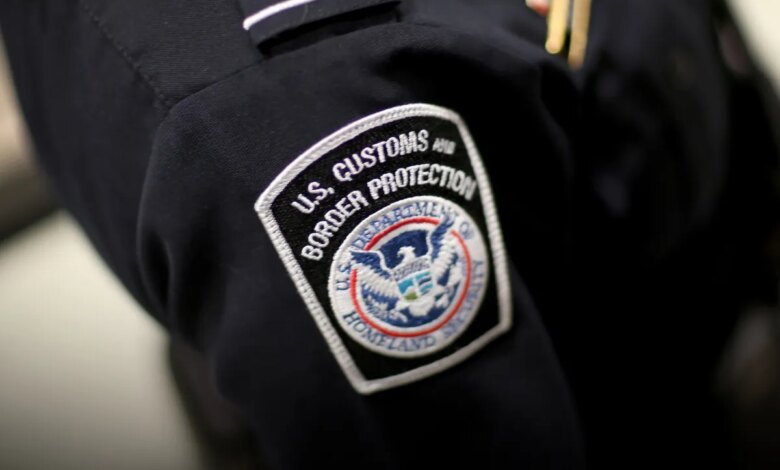
An American is facing legal action from the U.S. Justice Department for allegedly supplying a code that wiped his phone’s data to border authorities, as detailed in an indictment and various reports.
This case is reportedly the first instance in the U.S. where federal prosecutors have charged an individual for purportedly erasing data using a “duress” password—a feature embedded in the software of certain mobile devices.
According to reports, Atlanta resident Samuel Tunick is contesting these allegations. His legal counsel argues that U.S. Customs and Border Protection unlawfully seized his phone when he returned to the U.S. last year, claiming that any evidence, including the alleged data wipe, should be dismissed.
The case involves a functionality of GrapheneOS, a custom Android operating system used on many modern Google Pixel devices. Tunick’s lawyers have confirmed that this software was operational on his phone.
This specific function allows the user to create a passcode that erases the device’s data if entered instead of the regular unlock code.
Tunick’s situation raises important questions regarding constitutional rights at international borders—a location the U.S. government argues is not considered U.S. territory until entry is granted.
The government’s indictment, which contains an error in the text, claims that Tunick gave agents a passcode that led them to “delete the digital contents” of his phone before it was taken into possession.
Tunick’s legal team has filed a motion to suppress this evidence, arguing that both his detention and the phone seizure were illegal. They assert that he was subjected to further inspection upon returning from abroad at Hartsfield-Jackson airport on January 24, 2025, during which he was repeatedly denied access to legal representation and was not informed of his rights.
His attorneys have accused authorities of seeking access to his phone under the guise of searching for child exploitation material without offering justification for their suspicions. They contend that the investigation stems instead from his involvement with Defend the Atlanta Forest, a long-standing environmental movement opposing a significant law enforcement training facility in Atlanta known as “Cop City.”
The motion states that border officials claimed they didn’t require a warrant to search Tunick’s device since he hadn’t officially crossed the U.S. border. The government has long maintained that it can perform searches of devices without a warrant until a person is granted entry into the United States.
After Tunick inputted his code, authorities reported seeing the device’s display go blank, flash several times, and appear to restart. Despite this, they confiscated the phone but later informed him he was free to enter the U.S.
Following these events, Tunick was charged under a federal law that prohibits individuals from intentionally destroying or damaging property to hinder authorities. He has pleaded not guilty to the charges.
Matthew Dodge, a public defender assisting Tunick, stated that it is quite rare for this legal statute to be enforced in such a context.
Experts in security have noted that they have not previously seen similar charges laid out in this manner.
Bill Budington from the Electronic Frontier Foundation and Runa Sandvik, a digital security consultant focused on vulnerable populations, shared that they have not encountered cases involving duress passwords in a legal setting before.
Sandvik mentioned this situation highlights the risk of authorities alleging that data has been deliberately destroyed, suggesting that individuals should consider not carrying sensitive data across certain borders.
“With proper planning, you can always retrieve the data you require once you reach your destination,” she added.
The Electronic Frontier Foundation offers resources on how to safeguard your data and understand your rights at U.S. borders.
The federal court in Atlanta presiding over Tunick’s case is expected to make a decision regarding the motion to suppress evidence later this year. A spokesperson for the Justice Department declined to comment when approached.
This article has been updated to correct a spelling error in a previous version.