Samsung Continues to Overlook Hardware Issues in Its Foldable Devices, and It’s Frustrating Me

Paul Jones / Android Authority
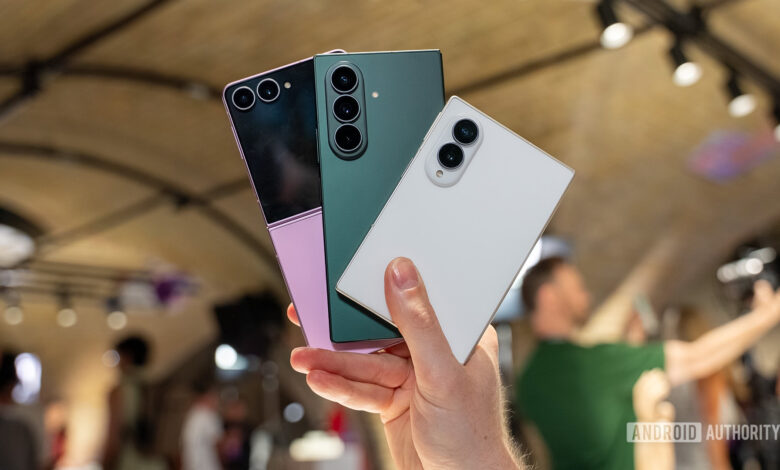
One notable concern regarding the latest foldable smartphones from Samsung is their continued use of an IP48 rating, which many users find frustrating.
What’s your opinion on Samsung’s IP48 rating for its foldable devices?
141 votes
Dust Resistance: A Critical Miss
Samsung’s prior foldables, like the Galaxy Z Fold 6 and Flip 6, introduced the IP48 rating back in 2024, which was considered decent for that period. While competing devices from brands like Google and HONOR featured an IPX8 rating, indicating water resistance but lacking dust protection.
However, the IP48 rating does not guarantee dust protection. It only signifies that the device is shielded against objects 1mm in size or larger, which means it won’t protect against smaller particles like dust. Essentially, Samsung’s claims only reassure users that their phones can withstand the ingress of wires or small rocks.
This implies that spending $1,200 or $2,100 on a Galaxy foldable does not ensure protection against lint in pockets, sand at the beach, or dust on surfaces. Previously, Samsung’s hinge designs ejected some debris out of these devices, but the real peace of mind would come with adequate dust protection. Even budget smartphones often offer superior dust resistance.
Competitors Outshine Samsung in Durability
Joe Maring / Android Authority
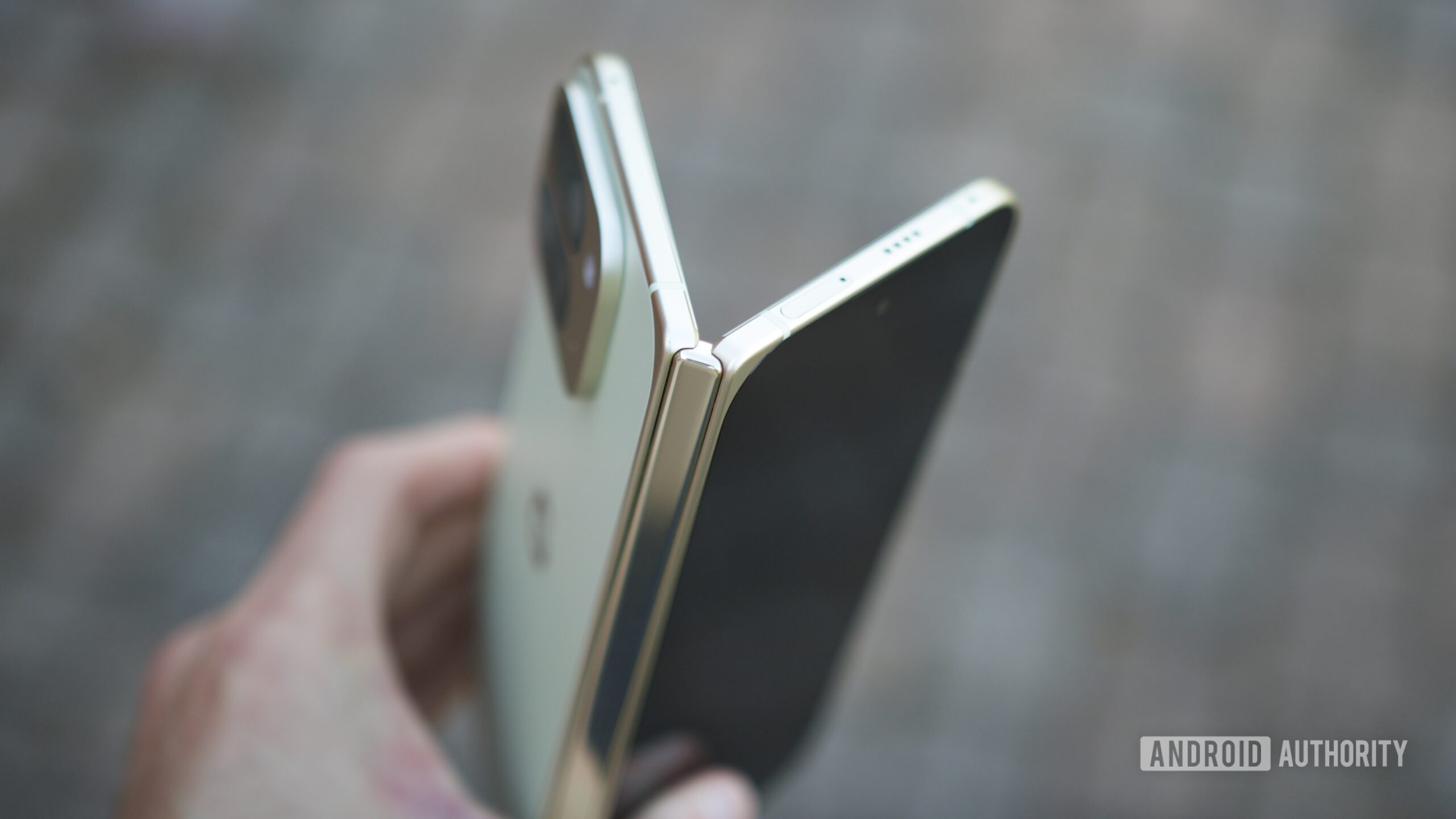
Unfortunately, a majority of recent foldable models outmatch Samsung’s in terms of durability. The HONOR Magic V5 and vivo X Fold 5 were released with IP58 ratings last year, indicating that they offer dust protection but are not entirely sealed. The Pixel 10 Pro Fold stands out as the first foldable device boasting an IP68 rating, offering complete protection against dust intrusion.
Samsung’s latest foldables disappoint with their lack of dust resistance, especially when competing models provide much better IP ratings.
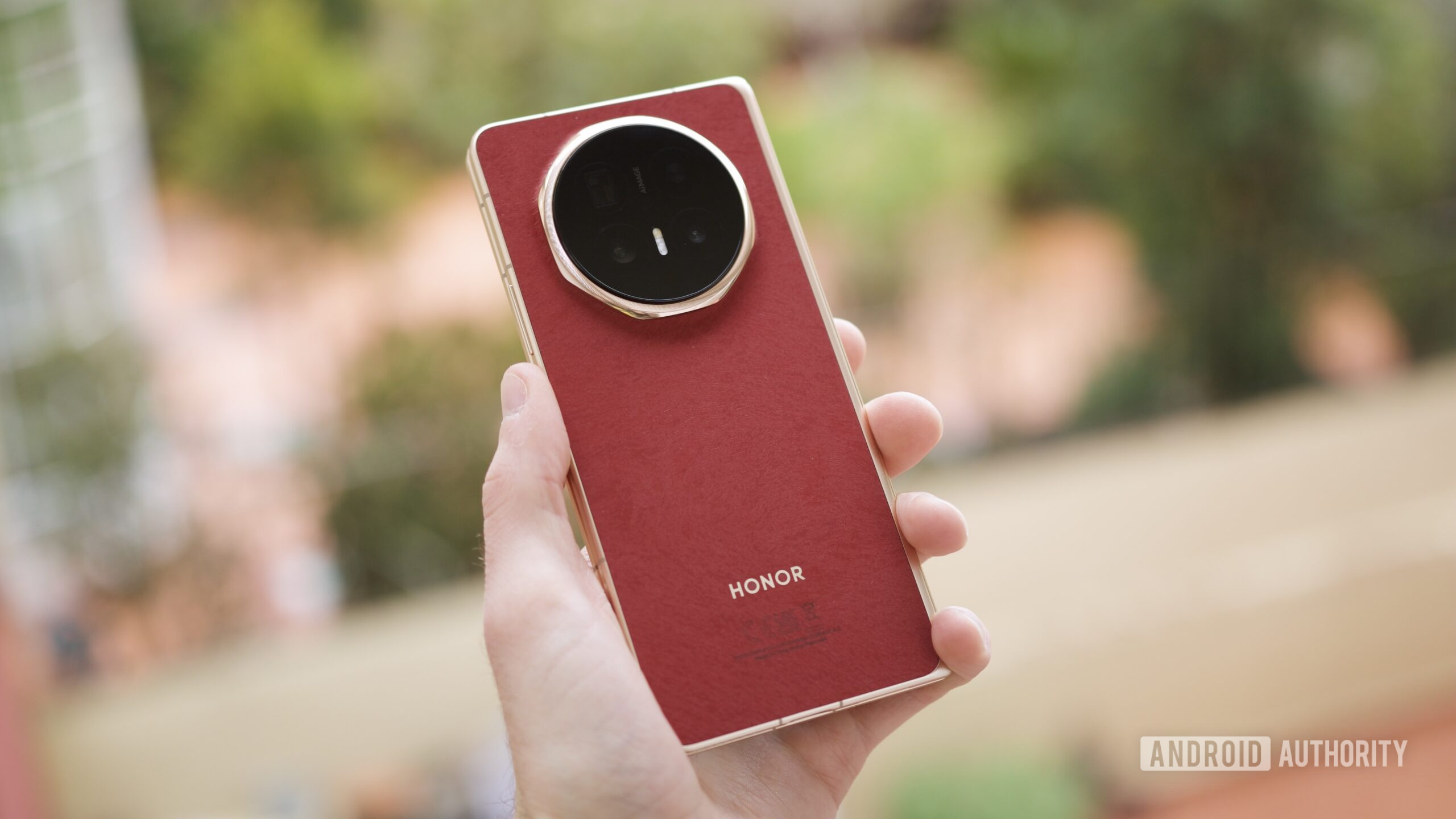
While the Pixel 10 Pro Fold’s robust IP rating does correlate with a thicker design, 2026 has proven that gaining an IP68 does not necessitate sacrificing slim profiles. HONOR’s Magic V6, released this year, features both IP68 and IP69 ratings while maintaining a folded thickness of around 9mm.
Joe Maring / Android Authority
Other manufacturers are also producing foldable smartphones with reasonable IP58 ratings this year, such as the OPPO Find N6, vivo X Fold 6, and HUAWEI Pura X Max. These phones generally offer slimmer designs, larger batteries, and improved camera systems compared to Samsung’s offerings.
In fact, 2026 shows that both Samsung and Motorola are exceptions with their respective Galaxy and Razr foldables equipped with IP48 ratings. Consequently, U.S. customers seeking a foldable phone with confirmed dust protection are primarily looking towards Google.
While the practical durability of the Galaxy Z Flip 8, Z Fold 8, and Z Fold 8 Ultra should be adequate, the lack of dust protection could deter many potential buyers from spending around $2,000 on these devices, fearing issues like a “crunchy” hinge.
Users are growing fatigued with the requirement to take great care of foldable devices, and many other smartphone makers have recognized this trend. It’s time for Samsung to catch up.
Thank you for participating in our community. Please review our Comment Policy before sharing your thoughts.